










USA

USA

INDIA

India

BANGLADESH

BANGLADESH

NEPAL

Nepal

FIJI

FIJI

PAKISTAN

Pakistan

Melody Media Productions

Excellence in Broadcasting!

Pervez Saleem

(Producer/Director)

Sexual Abuse and Molestation of Children in Pakistani Society

By Ammara Liaquat Ch
Doctor of Pharmacy
(Pharm.D.)

Sexual Abuse and Molestation
of Children in Pakistani Society
پاکستانی معاشرے میں
بچوں کے ساتھ جنسی زیادتی اور ناجائز چھیڑ چھاڑ
पाकिस्तानी समाज में बच्चों का
यौन शोषण और छेड़छाड़

“Child abuse casts a shadow the length of a lifetime.”

“Traumatized people chronically feel unsafe inside their bodies. The past is alive in the form of gnawing interior discomfort. Their bodies are constantly bombarded by visceral warning signs, and, in an attempt to control these processes, they often become experts at ignoring their gut feelings and numbing awareness of what is played out inside. They learn to hide from their selves.” 

Children are the future of every nation. They are also among the most vulnerable people in society. In Pakistan, child abuse has become a painful and serious crime. It harms children in homes, schools, streets, madrasas, workplaces, and online spaces.

Many children are taught, “Do not talk to strangers.” But the danger is often not a stranger. It can be someone already allowed near the child. A relative, tutor, neighbour, driver, teacher, or “Quran Teacher (Qari Sahab)” may misuse trust.

The child feels fear, but adults may see only respect. A child may say, “I don’t want to go there.” Families may call it stubbornness, shame, or bad manners.

Child abuse and molestation are not private shame. They are public crimes. They grow when reporting stays weak, justice moves slowly, and adults ignore warning signs.

The Scale of Child Abuse Is Bigger Than Reported

The latest figures released in 2026 show a painful rise.

A recent report recorded 3,630 child abuse cases in Pakistan. This was an 8% increase from 2024. The numbers mean more than nine children faced abuse every day.

The victims were not only girls. The report showed 1,924 girls and 1,625 boys among reported victims. It also included 116 infant cases. This makes one truth clear. Child abuse is not a girls-only issue.

“Childhood trauma doesn’t come in one single package.” 

SSDO’s latest Islamabad factsheet also showed serious gaps in justice. In the first half of 2025, 276 violence-against-children cases were registered in Islamabad. These included 167 kidnapping cases and 81 child sexual abuse and exploitation cases. Only seven cases ended in convictions.

But even these numbers do not show the full truth. Many cases never reach the police or media. Families stay silent because of fear, shame, pressure, and family honour. Some people force families to settle quietly.

“The most frightening number is not the number we see. It is the number buried inside homes, schools, police stations, and family decisions.”

Why Molestation Stays Hidden

In many Pakistani homes, a child’s pain gets buried under honor. Family honor becomes bigger than safety. People worry more about gossip than the child’s fear.

A child may speak once. The family may question them again and again. Some ask, “Why were you there?” Others say, “Are you sure?” These questions can silence a child forever.

Victim-blaming makes the wound deeper. It tells the child that speaking was a mistake. It also gives the abuser more power.

Families often fear police stations, court delays, and public shame. They fear marriage problems for girls. They fear relatives will talk. They fear people will blame the family, not the criminal.

“Behavior is the language of trauma. Children will show you before they tell you that they are in distress.”

Boys face another kind of silence. They hear, “Be strong.” They may feel they cannot cry or complain. Many boys do not even have words for what happened to them.

Girls are silenced through shame. People question their character, clothes, movement, and behavior. The blame moves from the abuser to the child.

Poor families face more pressure. An employer, landlord, religious figure, or local powerful man may force silence. Some families accept a quiet settlement because they feel helpless.

This silence never protects children. It protects the person who harmed them.

In many cases, the abuser does not need a locked room. He only needs a society that tells the child to stay quiet.

“Children don’t get traumatized because they are hurt. They get traumatized because they’re alone with the hurt.”

Forms of Molestation and Abuse

Child abuse does not always look the same. It can enter a child’s life in many forms. Some wounds are visible. Many stay hidden for years.

Sexual Molestation and Child Sexual Abuse

Sexual molestation is one of the most feared forms of abuse. It can happen through touch, threats, force, pressure, or secrecy. Many children do not understand what happened to them. They only know they feel scared, dirty, or unsafe.

Physical Abuse and Punishment

Physical abuse includes beating, slapping, burning, or hurting a child’s body. In many homes and schools, people call it “discipline.” But fear is not discipline. Violence does not teach respect. It teaches a child to stay silent.

Emotional Abuse and Neglect

Some abuse does not leave marks on the skin. Insults, threats, humiliation, and constant fear can break a child inside. A child may hear, “You are useless,” or “No one will believe you.” These words can stay for life.

Neglect is also abuse. A neglected child may be left unsafe, unheard, hungry, sick, or unprotected. Sometimes the child cries for help without using words.

“Students with childhood trauma don’t have faulty brains. They have minds designed in threatening environments to help them survive.”

Labor, Marriage, and Trafficking

Child labor steals safety, school, and childhood. Many children work in homes, workshops, farms, on the streets, and in hotels. Domestic servitude can also hide abuse behind closed doors.

Child marriage is another form of abuse. It pushes a child into adult pain too early. It removes choice, education, health, and protection.

Child trafficking turns children into objects for profit. It can involve labour, begging, forced marriage, or sexual exploitation.

Abuse Through Phones and Screens

Abuse also happens online. Predators may use fake profiles, games, chats, or social media. They may groom, blackmail, threaten, or trap children.

The right term is “child sexual abuse material,” not “child pornography.” That material is proof of abuse. It should never sound like adult content. UNICEF also treats child protection in Pakistan as a wider issue. It includes violence, neglect, exploitation, child labor, child marriage, trafficking, and weak protection services.

Where Children Are No Longer Safe

Many people think child abuse happens only in dark streets or unknown places. This belief is dangerous. A child can face harm in places adults call safe.

  • Abuse can happen inside homes and relatives’ houses. It can happen in bedrooms, drawing rooms, rooftops, courtyards, and shared family spaces. The abuser may be someone the family already knows.
  • It can also happen outside the home. A child may face danger near neighborhood shops, empty streets, transport stops, workshops, farms, hotels, or markets. Working children face more risk because adults often control their movement.
  • Schools and tuition centers can also become unsafe. A classroom, office, van, or private tuition room can hide abuse. The same risk exists in madrasas and religious spaces when no one checks the child’s safety.
  • Domestic work settings are another hidden place. A child working inside someone’s house may have no voice. They may fear the employer, hunger, beating, or being sent away.
  • Now the screen has also become a place of harm. Phones, gaming chats, social media, and messaging apps can bring predators into a child’s life. A child may sit at home and still face grooming, blackmail, or threats.

This is why blind trust can be dangerous. Not every familiar person is safe. Not every respected title protects a child. A teacher, neighbor, relative, or religious figure must never stand above questions.

A child’s safety needs checks, open talk, and watchful adults.

“The question is no longer, ‘Where can abuse happen?’ The question is, ‘Where have we failed to put protection?’”

“Repeated childhood trauma causes a child to live in a constant state of hypervigilance, always alert to impending perceived danger.”

Where Teaching Trust Is Misused

In many Pakistani families, teachers get deep respect. The same respect goes to tuition teachers, madrasa staff, and Quran teachers.

Most teachers protect and guide children. But some adults misuse this trust. The problem begins when no one checks them.

A child may fear speaking against a teacher. They learn to respect elders and stay quiet. They may think no one will believe them.

Parents may also ignore early signs. They may say, “he is a teacher,” “he cannot do that,” or stuff like that. These words can trap a child in fear. Because it provides teachers with more authority over the child. Ultimately, the child suffers more.

Abuse can happen during private tuition, Quran lessons, after-school hours, or madrasa stays. It can also happen in school offices, transport, or isolated rooms.

Some children face threats. The adult may warn them about punishment, failure, shame, or family disgrace. Some may even use religious guilt to silence them.

“Our brains are wired for connection, but trauma rewires them for protection. That’s why healthy relationships are difficult for wounded people.”

This issue is not about attacking education or religion. It is about adults who hide behind respected roles. It is also about institutions that fail to monitor them.

Every school, madrasa, tuition center, and Quran-teaching setup needs a child-safety policy. No adult should stay alone with a child in a locked or hidden space.

Parents must check where lessons happen. They should know who is present. They should notice the child’s mood before and after class.

Background checks, complaint channels, CCTV in public areas, and child-protection training should become normal. Religious institutions should speak against abuse clearly. They should not treat every complaint as an attack.

“The title of ‘teacher’ or ‘Qari sahib’ should never place any adult above questioning when a child’s safety is involved.”

A child who fears class, tuition, or Quran lessons is not being disobedient. They may be asking for help in the only way they know.

“Trauma is a result of an overwhelming sense of danger, powerlessness, and fear. Healing is a result of feeling safe, empowered, and supported.”

The Stranger Myth: Many Children Know Their Abuser

Many people imagine an abuser as a stranger hiding outside the home. This idea is dangerous.

In many cases, the child knows the person. The abuser may be a neighbour, relative, family friend, teacher, religious teacher, driver, or shopkeeper.

This is why children often struggle to speak. The person may already have the parents’ trust. The family may depend on him for money, transport, tuition, work, or social support.

The child may fear no one will believe them. They may hear threats from the abuser. They may also fear anger, blame, or punishment at home.

Abusers often use grooming before abuse. Grooming means gaining a child’s trust slowly. The adult may give gifts, extra care, favours, or special attention.

Then secrecy begins. The child may hear, “Don’t tell anyone.” The adult may test small boundaries first. Later, fear and shame may trap the child.

This makes the crime harder to name. The child may not understand what happened. They may only feel unsafe around one person or place.

Adults must stop waiting for perfect words. A child may not say “abuse.” They may only say, “I don’t want to go there.”

“As traumatized children, we always dreamed that someone would come and save us. We never dreamed that it would, in fact, be ourselves as adults.”

Adults must learn to hear that sentence.

Abuse Inside the Family

Not every family is unsafe. But abuse can hide inside family trust.

Many children are harmed by people they already know. The abuser may be a close relative, cousin, uncle, or step-relative. It may also be an older sibling, family friend, or neighbor treated like family.

In Pakistani society, children often hear, “Obey elders.” This lesson can make resisting harder. It can also make reporting feel almost impossible.

A child may fear speaking against a family member. Families may protect him because he is older, earning, respected, or powerful. Some fear scandal, broken relations, or revenge.

This silence does not keep the family safe. It only keeps the child trapped.

Boys may stay quiet because they fear mockery. They may think people will call them weak. Girls may stay quiet because they fear blame, shame, restrictions, or character attacks.

“Childhood trauma may result in negative feelings and consequences, but taking restorative steps can help you transcend your past traumatic experiences.”

Abuse inside the family cuts deeper. The child may still see the abuser at meals, weddings, gatherings, or daily visits. They may sit near the same person who made them feel unsafe.

Parents must believe children when they show fear, discomfort, or sudden behaviour changes. No family member should be “too respectable” to question.

Children should never be forced to hug, visit, or sit with someone they fear. They should never stay alone with a person who makes them uncomfortable.

Family honor should never come before a child’s safety.

Mothers, fathers, grandparents, and older siblings must learn warning signs. Fear is not a bad thing. Silence is not proof that nothing happened.

A child’s words should not face a court trial before protection begins.

“The most painful abuse is the one that happens under the same roof where a child was supposed to feel safe.”

When a child fears someone in the family, the first response must be protection.

Girls, Boys, and the Children No One Talks About

Child abuse does not harm only one kind of child. It reaches girls, boys, the rich, the poor, and working children.

Girls often face sexual violence, abduction, forced marriage, domestic abuse, and honour-based violence. Many girls fear blame before they even speak.

Boys also face molestation and abuse. But society often tells boys to stay strong. This makes their pain harder to name.

Many boys stay silent because they fear jokes, shame, or disbelief. Some think no one will accept them as victims.

The report shows children aged 11 to 15 face a high risk. But even very young children, including ages 0 to 5, appear among the victims.

Working children face danger in many places. They work in homes, workshops, farms, streets, hotels, transport spaces, and markets. Many have no safe adult nearby.

Children with disabilities may face even more risk. They may struggle to explain abuse. Some adults may refuse to believe them.

Minority, displaced, orphaned, and poor children also face extra danger. Poverty can make families dependent on unsafe people.

This issue is not only about girls. It is not only about poor families, either.

Child abuse cuts across class, gender, and location. But poverty, fear, and silence make protection harder. Every child needs safety, belief, and adults who listen.

“Abuse is never deserved, it is an exploitation of innocence and physical disadvantage, which is perceived as an opportunity by the abuser.”

High-Profile Cases and District-Level Silence

Some cases show how badly Pakistan fails its children. The Zainab Ansari case in Kasur is one painful example.

  • Zainab went missing in Kasur. Her case shook the country and led to public anger. It also pushed Pakistan toward the Zainab Alert law for missing and abducted children.
  • But Kasur was not new to such pain. The Kasur child abuse scandal exposed abuse, blackmail, and fear in villages. Families accused the police of weak action and poor protection.

These cases should not make people think abuse belongs to one city. It can happen in any district. Backward ares are more prone to this.

In one district, a child may face danger on the way to tuition. In another, abuse may hide inside a madrasa, school, workshop, or home. In many places, the first response is still silence.

  • Recently, there was a case of a two-and-a-half-year-old boy. A shopkeeper assaulted him, and the child died on the spot. He was too young to speak for himself. Too young to understand danger. Too young to even know why an adult would harm him.

“An unacknowledged trauma is like a wound that never heals over and may start to bleed again at any time.”

Families fear public shame. Police action often feels slow. Powerful people may pressure poor families to stay quiet.

This is how district-level silence grows. A case happens, people cry for a few days, then life moves on. There are cases of even children of age 1 and 1 and a half years old.

A safe district is not one with quiet streets. A safe district is one where every child can speak and be believed.

Laws Exist, But Protection Still Breaks Down

Pakistan does have laws for child protection. The problem begins when laws do not reach children in time.

The Zainab Alert, Response, and Recovery Act was made after the Zainab Ansari case. It focuses on missing and abducted children. The law says a child means anyone under 18 years. It also extends to the whole of Pakistan.

The law created ZARRA, the Zainab Alert, Response, and Recovery Agency. Its job includes alerts, recovery, coordination, and case records. Helplines, including 1099, must forward relevant complaints to ZARRA.

Provincial child protection bodies and helplines also exist. But a law alone cannot protect a child. A complaint still needs quick police action, proper evidence, and safe support.

This gap shows a painful truth. Pakistan does not only face a law problem. It faces an enforcement problem.

Cases fail for many reasons. Police may handle the first report poorly. Evidence may get lost. Medical and forensic steps may happen too late.

Families also face pressure. Some people push them toward “settlement.” Others threaten witnesses or shame the child into silence.

Court delays make the pain longer. Many children cannot keep repeating their story. Some families lose hope before the case ends. Police stations and courts often feel frightening to children. Many places still lack child-friendly rooms and trained staff.

A child needs safety before the case. They need belief during the case. They need care after the case.

“We are often loyal to our suffering, our regrets, our losses, focusing on the trauma of ‘what happened to me…’ But is that what defines you?”

“A law that cannot protect a child before, during, and after the crime becomes a promise printed on paper.”

What Abuse Does to a Child After the Incident

Abuse does not end after the incident. Its effects can stay with a child for years.

Psychological Impact

A child may feel fear, shame, confusion, or guilt. They may blame themselves for something that was never their fault.

Some children stop trusting adults. Others become silent, angry, or scared of certain people and places.

Mental Impact

Abuse can affect sleep, focus, memory, and learning. A child may get nightmares or panic without a clear reason.

They may lose interest in school, friends, games, or daily life. Some children may feel anxious most of the time.

Physical Impact

The body can also show signs of trauma. A child may face pain, weakness, poor sleep, or eating problems.

Some children become fearful of touch. Others may complain of stomach pain, headaches, or tiredness.

Social Impact

A child may withdraw from family, school, or friends. They may avoid tuition, relatives, or places linked to fear.

Society can make the pain worse by doubting the child. Survivors should never face blame after abuse.

What the Child Needs

The child needs safety, belief, medical care, counselling, and long-term support.

Media must protect the child’s name, face, location, and private details.

The child does not need another interrogation. The child needs safety, belief, medical care, and time.

What Can Society Do?

  • Teach children body safety without shame or fear.
  • Tell every child, “We will believe you.”
  • Notice sudden silence, fear, anger, or school refusal.
  • Never force children to hug, visit, or sit with someone they fear.
  • Every school must have a child protection policy and complaint system.
  • Teachers, drivers, staff, and tutors need background checks where possible.
  • Religious and community leaders must support reporting, not silence.
  • Media must share helplines, avoid graphic details, and protect every child’s identity.

 “Trauma creates change you don’t choose. Healing is about creating change you do choose.”

Final Verdict

Child abuse and molestation are not private shame. They are public crimes, and society must treat them that way.

The burden should never stay on the child. It must move to parents, schools, police, courts, media, and communities. Adults must listen before harm grows. They must protect before damage becomes lifelong.

Pakistan must stop asking, “Why did the child stay silent?” The real question is, “Why did adults fail to notice, protect, report, and act?”

A child’s safety should matter more than family name, public shame, or social pressure. No child should pay the price for adult fear.

A society is not judged by how loudly it mourns its children after tragedy. It is judged by how fiercely it protects them before harm happens.

Disclaimer:

Sada-E-Watan provides news and opinion articles as a service to our readers. These articles and news items come from sources outside of our organization. Where possible, the author and the source are documented within each article. Statements and opinions expressed in these articles are solely those of the author (reporter/newspaper) or authors (reporters/newspapers) and may or may not be shared by the staff and management of Sada-E-Watan. Sada-E-Watan was created to provide one convenient central location where a user can quickly scan headlines from many news sources. The headlines listed on Sada-E-Watan pages are links to stories on the sites where these stories are located. The goal of Sada-E-Watan is to help readers access stories on web sites that they would normally not have time to view on a regular basis and to add value to the news source sites by mentioning their name on top, so readers can view these sites.

The Sada-E-Watan takes no responsibility for any loss or damage suffered as a result of using the linked websites or as a result of using the information published on any of the pages of the linked websites.
Whilst every effort is made to ensure downloadable content is free from viruses, Sada-E-Watan cannot accept any liability for damages resulting from virus infection. You should take adequate steps to ensure your virus check regularly when using any device. If you have any questions or comments about Sada-E-Watan, please contact us at: radio@sada-e-watan.com. 
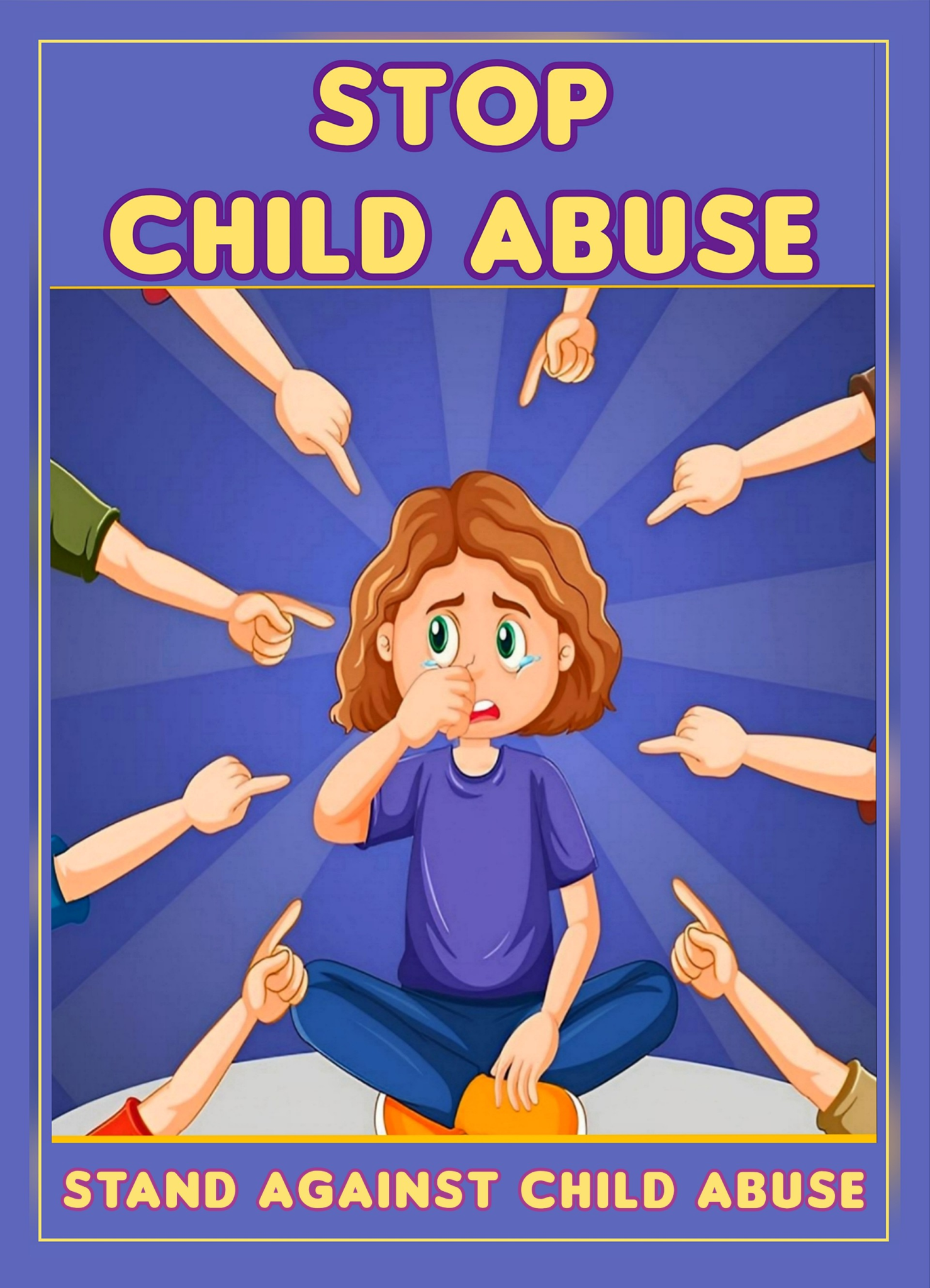
By Ammara Liaquat Ch Doctor of Pharmacy (Pharm.D.) Sexual Abuse and Molestation of Children in Pakistani Society پاکستانی معاشرے میں بچوں کے ساتھ جنسی زیادتی اور ناجائز چھیڑ چھاڑ पाकिस्तानी समाज में बच्चों का यौन शोषण और छेड़छाड़ “Child abuse casts a shadow the length of a lifetime.” “Traumatized people chronically feel unsafe inside their bodies. The past is alive in the form of gnawing interior discomfort. Their bodies are constantly bombarded by visceral warning signs, and, in an attempt to control these processes, they often become experts at ignoring their gut feelings and numbing awareness of what is played out inside. They learn to hide from their selves.”  Children are the future of every nation. They are also among the most vulnerable people
Instructor, student handed 70 and 80 years jail terms in US child sexual exploitation case

Courtesy: Geo News

Convictions stem from charges including child sexual exploitation

DALLAS: Two individuals have been sentenced to 70 and 80 years in prison in the United States for their roles in a case involving the sexual exploitation of a child, the Federal Bureau of Investigation (FBI) and the Department of Justice said in an official statement.

The convictions stem from charges including child sexual exploitation, the production and distribution of child pornography, and criminal conspiracy, following a federal court ruling.

According to the FBI’s statement, Wisam Sharieff, 44, of Euless, Texas, who used the title of imam and operated as an online instructor specialising in Quran recitation, was sentenced to 960 months in prison, followed by a lifetime term of supervised release. The court also ordered him to pay a $135,000 special assessment under the Amy, Vicky, and Andy Child Pornography Victim Assistance Act. Sharieff pleaded guilty in June 2025 to conspiracy to engage in the sexual exploitation of children and multiple child pornography related offenses.

The statement further added that Sharieff’s co-defendant, Blake Miller Barakat, also known as Hamna, 50, of Shelby County, Alabama, was sentenced to 840 months in prison, also followed by a lifetime term of supervised release.

Barakat was ordered to pay a $30,000 special assessment. The individual pleaded guilty in June 2025 to sexual exploitation of children as well as the possession and distribution of child pornography.

The FBI said Sharieff exploited a religious title to manipulate his online student, Barakat, promoting the false and deeply troubling belief that sexual gratification could bring an individual closer to God.

Court documents cited in the press release state that in October 2024, the two individuals repeatedly viewed and shared adult pornography online before coercing a seven-year-old child to watch the videos. The child was then forced to engage in sexually explicit acts for the purpose of producing child pornography.

US Attorney Prim F Escalona described the crimes as among the most reprehensible offences against society, emphasising that federal authorities will continue to aggressively pursue individuals who target children. The FBI Birmingham Division reaffirmed its commitment to protecting children and holding offenders accountable.

The case was brought under Project Safe Childhood, a nationwide initiative of the Department of Justice that coordinates federal, state, and local resources to combat the online sexual exploitation of children and to identify and assist victims.

1- Header image: Convicted individuals Wisam Sharieff and Blake Miller Barakat. — Reporter

Courtesy: Geo News Convictions stem from charges including child sexual exploitation DALLAS: Two individuals have been sentenced to 70 and 80 years in prison in the United States for their roles in a case involving the sexual exploitation of a child, the Federal Bureau of Investigation (FBI) and the Department of Justice said in an official statement. The convictions stem from charges including child sexual exploitation, the production and distribution of child pornography, and criminal conspiracy, following a federal court ruling. According to the FBI’s statement, Wisam Sharieff, 44, of Euless, Texas, who used the title of imam and operated as an online instructor specialising in Quran recitation, was sentenced to 960 months in prison, followed by a lifetime term of supervised release. The
Over 4,000 cases of violence against children reported in Punjab in first half of 2025: report

Courtesy: Dawn News

Over 4,150 cases of violence against children were reported in Punjab during the year’s first half, according to a report issued on Monday.

The statistics were revealed in the Sustainable Social Development Organisation’s (SSDO) Factsheet on Violence Against Children (VAC) in Punjab, covering the period from January to June 2025.

A press release issued by the organisation said that of the 4,150 cases, challans were presented in 3,989 cases, while 3,791 were under trial, with an average of 23 cases reported daily, based on district-level police data obtained through the Punjab Transparency and Right to Information Act 2013.

It added that Punjab’s reporting mechanisms had improved over the past year, resulting in increased registration of cases. However, the SSDO noted that conviction rates remained “critically low and require immediate attention”.

It noted that “despite the volume and severity of offences, only 12 convictions were recorded during the six-month period”, making for a conviction rate below one per cent.

The SSDO said sexual abuse remained “one of the most troubling” categories with 717 cases registered, 658 challaned and 581 still under trial.

“The category saw 12 acquittals and eight withdrawals but zero convictions,” it pointed out.

Meanwhile, child beggary was the most frequently reported offence, with 2,693 cases registered across the province, adding that 2,674 of these were challaned and 2,669 remained under trial, yet none resulted in a conviction.

“Other forms of exploitation also pose serious threats. Child trafficking registered 332 cases, resulting in four convictions, while 182 cases of child labour led to eight convictions, the comparatively highest outcomes among categories, yet still alarmingly low relative to the number of offences. Meanwhile, 87 cases of physical abuse and 27 kidnapping cases produced no convictions.

“Child marriage continues to be severely underreported, with just 12 cases registered in the first six months of 2025 and no convictions or acquittals, pointing to entrenched cultural and procedural barriers that obstruct reporting,” the SSDO said.

It reported that district-level data identified Lahore, Gujranwala, Faisalabad, Rawalpindi and Sialkot as the “major hotspots for child abuse, exploitation and trafficking.

“Lahore recorded the highest numbers of sexual abuse, child beggary and trafficking cases, while Nankana Sahib, Gujrat and Mandi Bahauddin also showed elevated trafficking trends.”

The organisation said that its findings overall revealed “critical gaps” in Punjab’s child protection ecosystem, extremely low conviction rates, thousands of cases pending trial and persistent underreporting of sensitive crimes.

It called for urgent reforms, including strengthened investigative capacity, fast-tracked trials, increased coordination between departments, expanded child protection units and awareness efforts to encourage reporting at the community level.

“SSDO emphasised that protecting children in Punjab requires a whole-of-government and whole-of-society approach to ensure justice, accountability and long-term safety for every child.”

Earlier this month, the World Health Organisation (WHO) and the Ministry of Human Rights launched consultations to prepare a national Strategic Action Plan on Violence Against Children, aiming to strengthen prevention and protect the country’s 112 million children.

The initiative addresses multiple forms of violence against children in Pakistan, including killings, physical and sexual violence, psychological abuse, and neglect. The plan comes as the country faces challenges where only one in three children under five is registered at birth and over 12.5 million are involved in child labour.

The consultations, which included experts, partners, participants from all provinces and self-governed areas, began in Karachi and concluded in Islamabad.

The new strategy will be grounded in the principles of the UN Convention on the Rights of the Child and the INSPIRE framework, an evidence-based package developed by international agencies under WHO’s leadership.

Courtesy: Dawn News Over 4,150 cases of violence against children were reported in Punjab during the year’s first half, according to a report issued on Monday. The statistics were revealed in the Sustainable Social Development Organisation’s (SSDO) Factsheet on Violence Against Children (VAC) in Punjab, covering the period from January to June 2025. A press release issued by the organisation said that of the 4,150 cases, challans were presented in 3,989 cases, while 3,791 were under trial, with an average of 23 cases reported daily, based on district-level police data obtained through the Punjab Transparency and Right to Information Act 2013. It added that Punjab’s reporting mechanisms had improved over the past year, resulting in increased registration of cases. However, the SSDO noted that conviction rates
Pedophilia on the rise in Pakistan: The Mind, the Monster, and the Moral Decline
By Asma Ali
Master of Arts (MA)
English Literature

Pedophilia on the rise in Pakistan:
The Mind, the Monster, and the Moral Decline
:پاکستان میں بچوں کے جِنسی اِستحصال میں اِضافہ
دماغ، جنگلی درندہ، اور اخلاقی زوال

पाकिस्तान में बाल यौन शोषण में वृद्धि:

A distorted mind will always create monsters; a sleeping society keeps them alive.”
“A society is judged not by its power, but by how it protects its children.”
“Predators are only empowered where truth is buried in shame and hidden under fear.”
“Silence does not protect, it gives permission.”

Understanding Pedophilia:

Pedophilia is a mental illness in which an adult, regardless of how old he is, including being elderly, experiences persistent sexual attraction to prepubescent children (usually aged 13 and younger). Any act on that attraction is defined as child sexual abuse and is a serious crime.

Pedophilia is a psychological disorder, Child sexual abuse is a crime.

A person may have pedophilic thoughts but never act on it; but when it is acted upon, it is always criminal, abusive, wrong and immoral.

Hebephilia:

Hebephilia is a persistent sexual attraction to early-pubescent children, generally in the age range of 11 to 14, who has begun physically exhibiting some signs of puberty but has not reached full maturation.

Ephebophilia:

Ephebophilia is defined as a primary sexual interest in late adolescents, usually aged 15–19. It is often viewed as problematic, as adolescents are not children; however, they are still psychologically and legally minors, and sexual involvement with adolescents would generally be considered child abuse due to a power imbalance, incomplete brain development, or lack of true consent.

Most legal systems and societies prohibit such sexual relationships and consider them abusive, exploitative, and criminal, further adding to the arguments and controversy of ephebophilia.

Child Molestation vs. Attraction:

While pedophilia, hebephilia, and ephebophilia describe psychological patterns of sexual attraction to minors at varying stages of development, child molestation refers to the criminal act of sexual contact with a minor. Child molestation is action-based sexual abuse, exploitation, or sexual contact with a child. In conclusion, the three distinctions support clinical classifications of psychopathological tendencies in sexual attraction; however, child molestation remains a legal and moral violation irrespective of desire.

The hypocrisy and arrogance of our society

Senior Perpetrators; The Unacknowledged Reality:

Cultural Trust and Grooming:

In a large number of communities, especially traditional family contexts, adults over the age of sixty typically receive unquestioning trust and moral authority. However, trust can sometimes be a mask for inappropriate behaviors toward children. Repeatedly taking a child onto one’s lap, always wanting to be “close,” touching them as an “adult” would do out of affection, giving gifts “on the sly,” deliberately isolating the child, even just for a moment, or trying to establish a unique “relationship” with the child, can be indications of boundary violations. These behaviors are easy to dismiss as innocent or affectionate due to the perpetrator’s age; however, doing this allows predatory grooming to occur. With a protective lens, it is crucial to understand that age does not erase responsibility, and gentle gestures may sometimes disguise the utterance of an exploiter. Thus, families and caregivers need to stay vigilant and active, since trust should never make one blind to behavior that may put a child at risk physically or emotionally.

When Affection Turns to Violation:

When an elder exhibits inappropriate physical or emotional behavior toward a child, insisting on prolonged physical contact, requesting the child sit on their lap, or nurturing secret feelings of affection, this behavior may have a number of interpretations, but it is a breach of boundaries. If these behaviors are exhibited toward pre-pubescent children, they may evoke a pedophilic orientation, but bound violations, including sexualization and predatory behavior, would constitute child molestation, regardless of the perpetrator’s age or psychological condition. Such behaviors might be expressed through cultural acts of affection or justified as emotional need or unfulfilled desire, but no amount of reasoning can relieve risk to the child. Regardless of the perpetrator’s psychological disorder or emotional acceptability, the act is a danger to the child and must be viewed first as a child protection issue, and not compassion for the adult’s emotional needs. And in summary, the most important issue is the child’s safety and dignity, not the reasoning of the adult’s intentions.

Illusion of Consent:

Sometimes older adults behave inappropriately towards kids and claim that it is consensual; however, it is important to remind ourselves that children cannot provide consent in any sexual and exploitable activities. Though the child may appear to participate and may even perceive it as harmless behavior, children may participate without understanding the emotional, psychological, or physical ramifications involved. Most of the time, this behavior is the result of the grooming process, in which adults use grooming to build trust, curiosity, and innocence around normalizing boundary violations. No matter how willing or unaware the child may appear, the adult alone bears the responsibility. Adults do hold more extensive age, authority, or awareness and therefore are in a position of power. It must also be noted that, simply because an elderly adult expresses emotional need, companionship, or child “agreement,” does not negate the fact that the action itself is child sexual abuse and involves child participation that is based on ignorance, manipulation, or misplaced trust. Law does not define these behaviors as based on unilateral consent, but rather on the inherent vulnerability of a child; and for good reason, protection must come before perception.

Pakistan is the home of pedophiles. 95% of Pakistani street children Are Sexually Abused.

Pakistani Context: Unspoken Stories

In Pakistan, the dirty secret of child sexual abuse hides behind walls of silence, shame, and cultural taboos. Children in close communities are conditioned to trust and blindly obey adults, and the moral framework affords child abusers a physical and psychological space to

manipulate children. Rarely are tales of elderly men engaging in sexually inappropriate acts with children, even when disguised as love or play, told aloud in the larger community. Families fear the shame of being a victim of abuse more than the abuse itself often preventing them from reporting the abuse. Furthermore, there are disturbing situations where children engage in maturation sex play that they mistake as innocent or loving interaction. Later, they reflect back on the emotional distress and trauma they caused without even knowing it, which are elongated to a lifetime of emotional disarray. The stories resonate in whispers, and rarely make it to the police station or court, while offenders perpetuate abuse. Abuse that occurs within homes, madrassas, or gatherings in the neighborhoods is categorized as a misinterpretation, misjudgment, or swept under the rug. Silence has erased countless stories and normalized trauma while society turns its back. In order for change to occur, these hidden truths of abuse must be revealed and not only for child protection but also as an attempt to expose the moral decay void of accountability and decency worded in the immorality of the unspoken, the shameful coyness staring society in the face.

Stricter punishments for offences against children as KP Assembly passes bill - Pakistan - DAWN.COM

In Pakistan, the problem of child sexual abuse and pedophilia has shifted from whispers to headlines in recent years. While it has existed for some time now, the scale, visibility and moral, psychological, and systemic failures surrounding the issue are now not easy to ignore. This article will discuss the situation through three interrelated themes – the psychological “the mind”, the criminal “the monster” and the societal and ethical “the moral decline” , while framing the discussion within the Pakistani context and based on the available data.

There is a documentary on YouTube that depicts the darker sides of our society…Pedophilia is regarded a sin in our society, as it is in any modern society, yet it is also one of the most common forms of criminal behavior. Pedophilia is at an all-time high in Pakistan, yet many people refuse to acknowledge that it is a major concern in this day and age. This documentary exposes the horrible dark side of our society, which no one is willing to accept, let alone reform it.

It appears that the entire Pakistani society is sex starved, and awareness of sexual norms is muddled. When there is an incident of child sex abuse, everyone immediately thinks about pursuing justice; no one discusses why this occurred. It happened because sexuality awareness is not taught, and grown men (or women) are unaware that an attraction to children is a disease – it is wrong and unusual.
People become quite uncomfortable when anything sexual or sex-related appears on television and blame it on Western traditions. It’s sickening. Parents and schools should have an open talk with children about what is right and wrong; no one is doing so.

Statistics in Pakistan:

Scope and Statistics Reliable data on pedophilia specifically is difficult to come by in Pakistan, as in many countries, due to under-reporting, stigma, and ordinary institutional inertia. However, there are various indicators that point to a severe and growing crisis in Pakistan.

As per the Cruel Numbers report by SAHIL, in the year 2022, there were reported a cumulative total of 4,253 cases of children abuse (including sexual abuse, abduction, missing children and child marriages) recorded across Pakistan.

This averages out to more than 12 children being abused each day in 2022.

Of those cases recorded in the year 2022, there were a total of 2,123 classified as child sexual abuse (CSA), with 55% of the victims being girls and 45% being boys.

The data shows a steady increase from previous years, for instance the reported 2022 figures represent a >33% increase on the reported 2021 figures.

A 2023 report by SAHIL reported 4,213 child abuse cases across the provinces and territories.

A study of street children in Pakistan has shown extremely high rates of sexual involvement, in one study of street children, it was found that up to 88% of them reported sexual intercourse, with 66% of those reporting sexual relations with adults.

While these numbers may not be complete, they illustrate two things: That child sexual abuse, including pedophilia is widespread, and growing. They also point out a key issue; Much abuse remains concealed, so the actual number may be significantly larger.

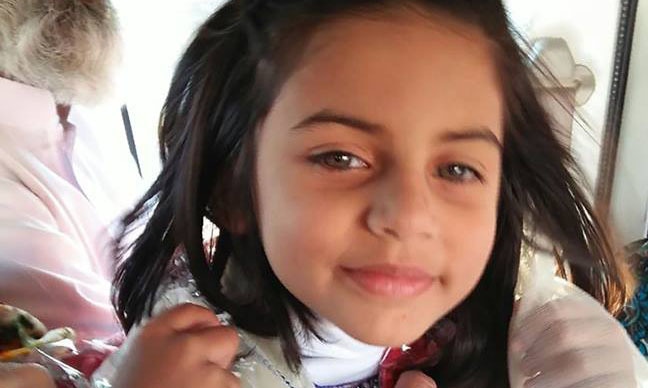
The brutal rape and murder of seven-year-old Zainab has once again focused the media spotlight on the small Punjab town, which seems to be the hub of crimes against children. Is its reputation justified?

A photograph of Zainab — AFP/file

The Mind: Psychological and Development Pathways

To understand an adult’s sexual interest in prepubescent children and child sexual abuse requires looking at the mind of the offender, the mind and experience of the victim, and the pathways that lead to abuse.

Path to Offending:

Research shows that while not all offenders have the same background, general correlates include childhood trauma, neglect, exposure to sexual abuse, neurodevelopmental issues, emotional immaturity and distorted power-dynamics. In Pakistan, qualitative studies suggest that poverty, family breakdown, lack of supervision, and cultural taboos further increase vulnerability.

Global research increasingly indicates that child sexual offending is not the result of a single psychological factor, but rather is the product of multiple causes, which include but are not limited to trauma history, early exposure to pornography, low impulse control, emotional immaturity, and dysfunctional belief systems that rationalize the abuse. One meta-analysis published in 2021 in Trauma, Violence & Abuse identified strong associations between childhood maltreatment and perpetrating abuse later in life, suggesting that victims who are untreated are more likely to become offenders. Outside of a clinical setting, study findings from across the globe suggest that not all offenders meet criteria for pedophilic disorder as a basis for offending. Many offenders offend opportunistically, due to a power imbalance, and due to sociocultural tolerance for sexually abusing the child. Understanding the distinction between offenders, particularly outside of a child victimization context, is an important distinction which would highlight the importance of psychological intervention programming focused specifically on at-risk individuals before the act of offending.

Consequences for the Victim and Long-term Effects:

Child sexual abuse produces lasting and profound emotional and psychological injury. A 2024 review study on family violence, child sexual abuse, and sexual aggression found that children faced short-term outcomes of distress, anxiety, fears, isolation, and possible PTSD symptoms, as well as long-term destructive consequences of alcohol and substance use, dysfunctional relationships, and chronic mental disorders.

As an example, in one case-study from Pakistan, the colleague describes a 52-year-old individual whose adult anger-management issues had their origin in childhood sexual abuse.

Perpetration and Mechanisms of Abuse:

Most perpetrators of child sexual abuse are known individuals, including family members, friends, acquaintances, and authority figures. Worldwide, approximately 90% of child victims of sexual abuse know their victimizer. In Pakistan, an earlier report published by SAHIL indicated that the category “acquaintance” represents the largest grouping of abusers.

In this regard, victims must be recognized as situated relationally, socially, and systemically—meaning that, as with the perpetrator’s “mind,” the “mind” of the victim also cannot be separated from the relational, social and systemic context in which the abuse occurred.

Report reveals over 4,000 cases of child abuse in Pakistan during 2023

Contemporary Facet: Digital Grooming

Thanks to the widespread availability of low-cost smartphones and improved access to the internet, Pakistan is seeing an increase in online grooming activities. Predators groom minors online through numerous social media, gaming platforms, and messaging applications, including WhatsApp, Snapchat, TikTok, and Facebook, by gaining trust and

developing emotional manipulation in the end. Children may be coerced to share selfies and may indicate they are willing to meet in person. Global child protection agencies such as the National Center for Missing & Exploited Children (NCMEC) indicates this exploitation is one of the fastest-growing abuse modalities around the world. Pakistan does not have strong monitoring and cybersecurity protocols in place to detect online grooming, making children extremely vulnerable.

The Monster: Acts, Crime, and Systemic Failures

The word “monster” refers to both the person who abuses and the system that tolerates the abuse.

Types of Abuse:

Child sexual abuse takes various forms in Pakistan: it includes molestation, rape, sodomy, sexual exploitation, and abduction. The SAHIL data for 2022, for example, shows 422 cases of rape, different kinds of sodomy are reported (537 cases) and (156 cases) of gang-sodomy. An example of of notable abuse, the Kasur child sexual abuse scandal (2006-2015) resulted in hundreds of children who were abused, filmed, blackmailed and trafficked.

Legal and Institutional Response:

Pakistan has made legislative changes, i.e., Zainab Alert, Response and Recovery Act 2020; The Law would permit a system for reporting abductions and child abuse nationally. However, implementation remains weak, investigations are slow, convictions are few, and protective measures are under-resourced. A study of Pakistani courts found that pedophile cases are “exponentially growing” because of the absence of forensic infrastructure, loopholes in legal procedures, and socio-cultural barriers.

Child Sexual Exploitation Material (CSEM):

An overlooked but rapidly growing element of child sexual abuse is the production and distribution of Child Sexual Exploitation Material (CSEM) on the internet. Reports of CSEM are growing more exponentially, and millions of CSEM files are being shared through public and dark-web networks. Pakistan has also documented increased online trafficking of child sexual content, especially involving rural and lower-income areas that are particularly vulnerable to predators who induce or manipulate children into recording them. Law enforcement in Pakistan is equally behind in establishing the technological expertise to locate offenders and bring them to justice, with very low prosecutions in the wake of an explosive and growing supply of evidence. Child “sexploitation” and child sexual abuse is occurring online without law enforcement having the specialized information technology capacity and forensic ability to identify and stop these offenders from operating while usually anonymously.

abuse

Moral Erosion: Social, Cultural, and Ethical

Within a weakened moral framework, the safeguards for children disappear.

The Responsibility of Community:

Protecting children is a moral obligation as well as a legal obligation. However, in Pakistan, culture often prioritises family honour rather than child safety. When communities conceal abuse rather than expose it, they’re ensuring the survival of the monster.

Awareness and Education:

Awareness of child sexual abuse is the first step to prevention. Research indicates that, with education and early interventions, approximately 95% of abuse is preventable. In Pakistan, however, institutional barriers still exist such as insufficient education regarding child protection in schools, a lack of parent training programs to address child sexual abuse, and an overall lack of societal conversation.

Lack of sex education:

One of the major modern preventative methods that is lacking in Pakistan is age-appropriate sex education. UNICEF and WHO’s research shows that when students are educated about body safety, consent, and safe internet practices, this dramatically decreases risk of abuse against the child or children when their caretaker or someone else is watching out for their well-being. In Pakistan, it is often culturally and religiously resisted, leading to a child or children being ignorant to their safe boundaries, safe touch, and how to report abuse. The absence of this critical form of institutionalized education allows abusers to take the child or children’s continued naivety about their bodies.

Moral Agency of the State:

A state that fails to enforce laws that protect children, provide a safe means to report abuse, and monitor any institutions (schools, madrassas, care homes) is, in fact, violating its finest moral duty and obligation. The increase in reported cases does serve as a signal of increasing criminal behavior, but as much signals an overall moral decline.

Discussion: Interconnected Realities

‘Mind’, ‘monster’ and ‘moral decline’ are not separate ideas, rather they exist within each other;

A damaged or disordered mind has opportunity, the monster finds safety in silence.

The monster lives in a system which tolerates, fails to detect or convict individuals prone to abuse.

Moral decline allows the monster to flourish while neglecting the child.

Policy Implications and Recommendations:

Given this information and analysis, it is crucial to take the following steps:

1. Strengthen data collection and research: conduct comprehensive national surveys; create a continually updated, reliable database of child sexual abuse, specifically pedophilia.

2. Improve legal and judicial procedures: create specific child protection courts; develop national forensic capacity; create a pre-trial specialist; expedite the court calendar.

3. Introduce early psychological screening and psychological intervention. This should include the screening of individuals at-risk and children in vulnerable settings.

4. Develop awareness and educational programmes for camp participants, specifically children (safe-touch/safe body, rights), parents (recognising warning signs), and community members (stigma).

5. Support and develop integration for ‘victims’: provide shelter and supportive mental health services, especially if a child is returned to the home.

6. Cultural change campaigns: from protecting one’s family reputation to protecting children; from discouraging stigma and offering a desire to report.

International models indicate that substantial reform must include simultaneous investment in community education, offender management, and specialist mental-health pathways. For example, the ‘Dunkelfeld’ project in Germany offers confidential therapeutic engagement for individuals who are sexually attracted to minors and approach the service for help before committing a crime. Evidence indicates that early clinical intervention reduces the risk of subsequent offending. In Pakistan, there is no equivalent psychological prevention system: no anonymous help lines for at-risk individuals, no specialist treatment units for sex offenders, and minimal training in criminology concepts within law-enforcement institutions.

Victims of child sexual abuse face growing court delays as waiting times increase | Social Work News

CONCLUSION:

Pedophilia in Pakistan is not only increasing, it is being nurtured in silence; it is not merely a crime, but a psychological and moral challenge. If we ignore the mind that preys, the monster that acts, and the moral decay that allows it to thrive, are we not abandoning our children and our future?

This is a public health crisis that needs to be heard, it is not a whisper, but a roar.

It needs courage, not shame or secrecy.

We must, as a country, stand for protection over pride; for truth over secrecy; and justice over fear.

For every child.

For the future.

For humanity.

If we are to overcome this moral fissure, Pakistan must brave the polarisation that further deepens silence. Communities must work to notice grooming; families must choose safety in the face of shame; schools must educate children to see abuse; and the state must intervene and enforce the law and safety without question, and favoritism. When our instinct is empathy, when our practice is accountability, and when our priority is prevention, we will begin the good work of reclaiming childhood. The path to healing begins with truth, progresses with action, and develops into protection; anything else is complicity.

“A safer tomorrow begins the moment a single child learns they are worth defending.”

“A monster exists only where morality is absent.”

Disclaimer:
Sada-E-Watan provides news and opinion articles as a service to our readers. These articles and news items come from sources outside of our organization. Where possible, the author and the source are documented within each article. Statements and opinions expressed in these articles are solely those of the author (reporter/newspaper) or authors (reporters/newspapers) and may or may not be shared by the staff and management of Sada-E-Watan. Sada-E-Watan was created to provide one convenient central location where a user can quickly scan headlines from many news sources. The headlines listed on Sada-E-Watan pages are links to stories on the sites where these stories are located. The goal of Sada-E-Watan is to help readers access stories on web sites that they would normally not have time to view on a regular basis and to add value to the news source sites by mentioning their name on top, so readers can view these sites.

The Sada-E-Watan takes no responsibility for any loss or damage suffered as a result of using the linked websites or as a result of using the information published on any of the pages of the linked websites.
Whilst every effort is made to ensure downloadable content is free from viruses, Sada-E-Watan cannot accept any liability for damages resulting from virus infection. You should take adequate steps to ensure your virus check regularly when using any device. If you have any questions or comments about Sada-E-Watan, please contact us at: radio@sada-e-watan.com. 

By Asma Ali Master of Arts (MA) English Literature Pedophilia on the rise in Pakistan: The Mind, the Monster, and the Moral Decline :پاکستان میں بچوں کے جِنسی اِستحصال میں اِضافہ دماغ، جنگلی درندہ، اور اخلاقی زوال पाकिस्तान में बाल यौन शोषण में वृद्धि: A distorted mind will always create monsters; a sleeping society keeps them alive.” “A society is judged not by its power, but by how it protects its children.” “Predators are only empowered where truth is buried in shame and hidden under fear.” “Silence does not protect, it gives permission.” Understanding Pedophilia: Pedophilia is a mental illness in which an adult, regardless of how old he is, including being elderly, experiences persistent sexual attraction to prepubescent children (usually aged 13 and
Unheard Voices: Child Sexual Abuse In Pakistan – By Asma Ali

By Asma Ali
Freelance Writer
Master of Arts (MA)
English Literature


Unheard Voices
Child Sexual Abuse In Pakistan
غیرسُنی آوازیں
پاکِستان میں بچوں کے ساتھ جِنسی زیادتی
  अनसुनी आवाजें
पाकिस्तान में बाल यौन शोषण

“The sexual abuse and exploitation of children is one of the most vicious crimes conceivable, a violation of mankind’s most basic duty to protect the innocent.”

“Child sexual abuse changes the human brain, it requires healing through understanding and compassion, it’s not something simply to be forgotten, it’s a wound that demands attention in order for healing to take place. Every child is worth fighting for, every survivor is worth healing.”

“Healing from child sexual abuse takes commitment and dedication. But if you are willing to work hard, if you are determined to make lasting changes in your life, if you are able to find good resources and skilled support, you can not only heal but also thrive.”

“The first step in protecting children from abuse is to talk openly about the issues.”
“The greatest tragedy is not the brutality of the evil people, but rather the silence of
the good people.”
“Abuse changes your life… Fight back and change the life of your abusers by
breaking your silence on abuse.”
“Speak up for those who cannot speak for themselves; ensure justice for those being
crushed.”
Children Are Little Angles – Don’t Hurt Them

Cute cartoon little angel girl sitting on a cloud Hand drawn watercolor illustration | Premium AI-generated image

“Childhood Should Be Innocent, Not Traumatic.”

Every child is as sensitive as a flower, their purity should be guarded, encouraged and set to flourish under the warmth in parental affection. However, where this ethos to childhood is lost, as by abuse, the result is one of deep and enduring psychological scarring.
The laughter is the best remedy for most ills but the laughter of a child is a tune that symbolises hope and purity. Still, for many, that tune is drowned with the tune of unkindness, which scars the tender minds of young children. It is a time that aims at having the children happy, exploring and learning, developing and growing young brains. Yet, within the delicate fabric of this innocence, a dark and sinister reality often lurks: Child Sexual Abuse. It presents what many societies of the world imagine to be childhood and what actually is childhood as portrayed by horrifying acts of abuse in the society.
“Protect their smiles, protect their rights.”
Loss of innocence, betrayal, and abuse—all of which belong not only to fiction but which happen to millions of children worldwide. That means every single case of abuse is not just a number on a statistical chart, it is childhood taken away, lives shattered, it is a lasting stain on society’s conscience. This article aims to reveal lots about the silent disaster in an attempt to advocate for better protection mechanisms. Rather than only raising the community’s awareness, it is a genuine appeal for performance because each child should have more than mere existence. It is sad that children should grow up in a world where innocence is a symptom and childhood protects itself from the evils that lie in wait to engulf it.

Childhood sexual abuse (CSA) is an activity aimed at providing sexual pleasure, stimulation
or sexual gratification to an adult who uses a minor for this purpose, taking advantage of the situation of superiority. According to World Health Organization (WHO) Child sexual Abuse can be well defined as: “Child sexual abuse is the involvement of a child in sexual activity that he or she does not fully comprehend, is unable to give informed consent to, or for which the child is not developmentally prepared, or that violates the laws or social taboos of society. It includes any sexual activity between a child and an adult or another child who has the power or control over the child.”

According to WHO, 1 in 5 children worldwide experience sexual abuse. It’s time to confront this alarming reality, understand its impact, and work together to create a safer environment. Child sexual abuse is one of the worst kinds of abuse that causes a lot of harm and terrible feelings across the globe due to minimal reporting of the incidences. For the best interest of every child, there should be an assurance that the child will not be abused, threatened, forced or having someone take advantage of the child. However, for so many, this basic right is violated by the brutal practice of those who are supposed to safeguard them. This hurts even more because victims shut up and the culprits are not held to account due to certain cultural practices that deny victims’ voice.


“A Child’s Voice Should Never Be Silenced.”
Via this article, I want to draw attention to the subject, to end the stigma, start the conversation, and focus on the need to defend the weak.

This, I think should serve as a wakeup call for policymakers, educators, parents, and every person out there. Now is the right time to demystify what has been obscured far too long, to support survivors, and to ensure that the future for children is safer.

This article is dedicated to the survivors, their families and those working tirelessly to prevent abuse and ensure justice.

CSA is a global concern that is well documented to have occurred in Pakistan and is a contact child abuse type that has for the longest time occurred with minimal reporting, dazzling, and attention. The nation’s children, the pure and helpless, are often abused; the degree of it, to which they are abused, unheard of, masked by cultural barriers, poor laws, and stigmatization. It is a personal calamity of the individuals and families touched by this negligence but a national problem requiring immediate attention at the same level.

IS SOMETHING WRONG WITH KASUR? - Newspaper - DAWN.COM

This article is written with the intention of providing a closer look at the problem of Child Sexual Abuse in Pakistan and its consequences, causes that led to this situation and what should be done in order to protect children in Pakistan. Solving this problem is not a question of giving the victims their due – it’s about restoring the future of a generation. Because each individual should be allowed to have a fulfilled childhood, sheltered and not in any way threatened. Daily newspapers read such cases that the honor of little children and girls is not only violated, but after fulfilling their sexual desire, they are put to eternal sleep to destroy the evidence.

Child Abuse is one of the most prevalent social issues in Pakistan. 

There is no doubt that as a nation we are touching the last limits of moral decline. A few months ago, a non-governmental organization called “Sahil” released a report. According to this report, more than twelve children are victims of sexual exploitation in Pakistan every day. How much we are a stone-hearted nation can be estimated from the fact that we have become completely numb after hearing the incidents of sexual exploitation of children day in and day out. For a few days, there is a lot of buzz on social media. Then as the days pass by, our memory also fades.

Topics of importance, such as child abuse, rape, sexual assault, honour killing, forced marriage or mental illness, all are considered taboo and often brushed under the rug. The fear of being shunned by society and victim-shamed is perhaps what keeps some of the victims from speaking up about the issue in the first place.

In recent years, there has been an alarming increase in the incidence and prevalence of
child sexual abuse in Pakistan. According to a report, the most affected children belong to poor families who are forced to leave by their parents to work somewhere. Now it comes to parenting and family
planning. Therefore, why not try to produce as many children as children can be raised and educated in a good way. After that, the law enforcement agencies will have to play their role. Most of the perpetrators involved in cases of sexual violence are close relatives or acquaintances of the child. One thing that needs attention here is that children are innocent, they have no concept of good or bad or big or small. It is in the nature of these innocents to consider everyone as their own.


“It’s never the child’s fault.”
Some children’s parents are sick and the child has to be the breadwinner of the house, so they are forced to go out and work. Unfortunately, even these children are not safe from the beastly people of this society. When these children go to a workshop or a hotel to work, their clothes and facial expressions show how much suffering they are enduring here. I have seen many children begging. Most of the parents are lazy, lazy and addicted to drugs, they do not raise their children well, nor do they believe in this. Such children are easy victims of sexual predators. Be it a maid in a house, or a boy working in a hotel, inhuman and rude treatment of them is common in some houses. Among the reported cases of violence against children, cases of sexual abuse are prominent.

In such a situation, parents should be more careful, especially the parents should pay attention to the relative whom the child is afraid of. It is the job of the parents to keep an eye on the children and the close relatives who often visit the house and advise them to stay at a distance. According to the age, it is necessary to train your child’s self-sexuality as it is an important requirement of the time. Be careful about girls’ clothes. Avoid putting children in the cradle of loving relatives. Tell children about good touch and bad touch. Remove the hesitancy of you and your child, because if you yourself do not train your child sexually, then the child will be forced by natural curiosity to ask the same questions to other people, who can take advantage from your child’s ignorance. Make friends with children and give them confidence. Unnecessary scolding and scolding not only destroys a child’s morals but also makes them feel inferior. Such children are easy victims of sexual exploitation.

The Child Protection Bureau needs to be made more active and the government should create more institutions to keep an eye on children working outside and to give real and severe punishment to the culprits involved in such situations so that such incidents can be avoided in the future.

Pakistan ranks third in child abuse. The estimated child abuse is more than 12 per day.

There are three main types of sexual abuse:

1: contact abuse:
Direct contact child abuse is any sexual abuse that has physical touch between the abuser and the child.
Forms of Contact Child Abuse:
Contact child abuse can take various forms, including but not limited to:

Touching or Fondling: The abuser may fondle the child on the genitals or in other ways that
are abusive and sexual.

Forcing the Child to Touch: The abuser may force, pressure or trick the child into engaging
the perpetrator in sexually touching him/her.
Rape or Attempted Rape: Any situation that consists of any type of forceful intercourse.

Child Sexual Exploitation: Touching the body of a child in a grooming activity in order to
sexually abuse the child.

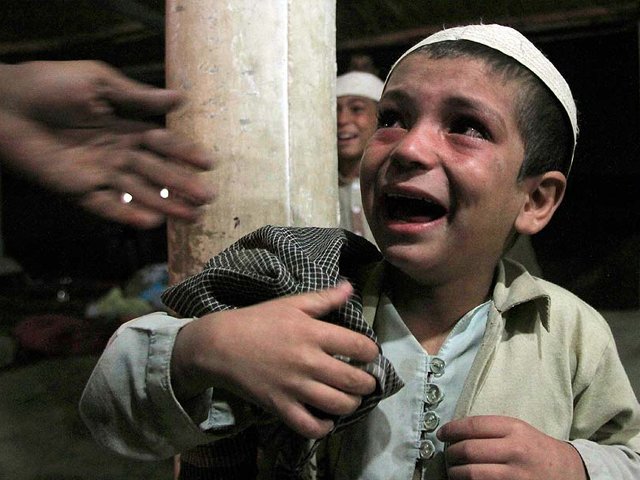
a pakistani child weeps after being rescued by police photo ap

Impact of Contact Abuse:
Contact child abuse leads to serious and long-term consequences regarding a child’s emotional state, mental state and social interactions. Post-loss consequences may include depression, anxiety, PTSD, difficulty in trusting other people and low self-esteem among victims.

2: Non-contact abuse
Non contact child sexual abuse can be defined as any kind of activities or actions touching a child in a sexual manner without having any physical contact. Thus, no touching in this case is as toxic and traumatic as the child’s prosperity collapses mentally, emotionally, and psychologically. Non-contact abuse can take place face-to-face, over the internet and even through other methods of communication and generally is a stepping-stone to the next level of abuse.

Forms of Non-Contact Child Sexual Abuse:
Non-contact child sexual abuse can take many forms:
Exposing the Child to Sexual Content. Sexual talk, sexual suggestion or to forward sexually explicit messages, pictures or videos to a child. Spying on, observing or peeping at a child when he or she is naked, taking a bath or in a secluded or private place and without their consent.

Online Exploitation:
Approaching a child over the internet and or using the computer to distribute pornography to or compel a child to engage in sexual activities via webcam or through sending sex-related photographs.

Grooming:
Forcing a child to engage in a sexual activity as a result of grooming them emotionally to become close friends then exploit them. Child grooming can be face to face or through electronic communication and can involve showering the child with gifts, affection or getting the child to keep the interactions a secret.

Impact of Non-Contact Abuse:
Non-contact can emotionally damage a child for the rest of their lives. The consequences of these feelings in children include confusion, shame, fear, anxiety, depression and trauma among them.

Preventive Measures and Response:
Non-contact abuse prevention lies in constant safe Internet usage, orienting parents on the matter, and studying the difference between acceptable and inappropriate actions. Children must be put in positions in which they are free to report any incidents of improper conduct – online or offline.

Child abuse: A growing cancer within Pakistan - Global Village Space

“Listen. Believe. Support.”

3. Exploitative and Systematic Abuse:

Such types of abuse are characterized by patterned, continuous or widespread use of children by one person, or a group of people.

Child Trafficking and Prostitution: Sexual abuse for the purpose of receiving money, goods, and favors in exchange for performing a sexual act with one or more children. Child Sexual Abuse Material (CSAM): Production, dissemination or possession of child sexually abusive material which is a serious violation of the child’s rights and dignity.

Recognizing and Responding to Abuse:
The three ways of child sexual abuse have different signs and factors that go with them. Preventions include using early intervention, targeted education together with creation of safe channels through which children can report. That is why the recognition of these forms is equally important.

To understand this serious issue, here are some incidents

Javed Iqbal was one of Pakistan’s most notorious serial killers and child molesters, responsible for the brutal abuse and murder of over 100 young boys in Lahore during the late 1990s. His heinous acts shocked the nation and drew attention to the vulnerability of street children and the lack of protection for marginalised youth. Despite his arrest and conviction, the scale and brutality of his crimes left a lasting scar on the country’s collective conscience.

In August 2015, the largest child sexual abuse scandal in Pakistan’s history came to light, involving nearly 400 videos and around 280 children, all of whom were under the age of 14. Shockingly, these videos were being sold for as little as 50 Rupees each in the village of Hussain Khanwala in Kasur. This horrific revelation highlighted a deeply disturbing network of exploitation and abuse, sparking national outrage and raising critical concerns about child safety and the systemic failures in protecting vulnerable children.

The Peer Afrani Pur child sexual abuse was horrible that occurred in a small village near Peshawar in Khyber Pakhtunkhwa province. As it was witnessed in this sad event, there were cases of young kids who were sexually molested and exploited by those who would take time to feel pity on them.

PAKISTAN: Release of animated video on child sexual abuse - Asian Human Rights Commission

The incident of Zainab Amin Ansari was truly a heart-wrenching and tragic event. This innocent 7-year-old girl was abducted from Kasur, Punjab on January 4, 2018. The perpetrator not only cruelly killed her but subjected her to horrific physical and psychological trauma before that. Her body was found on January 9 in a garbage heap in Lahore, which was a sight that shook the entire nation. This incident was not just about Zainab, it highlighted a serious issue present in our society — the safety, protection, and justice for innocent children. Zainab’s case stirred the emotions of the entire country and initiated a call for changes in the law. After the incident, people protested for justice, and eventually, the criminal was arrested and sentenced to death by the court. This was a small consolation, but it is our responsibility to ensure that such a situation never arises again. This incident serves as a reminder to us all that we must work together to create a safer and better environment for our children so that no other child has to endure the same pain, fear, and cruelty that Zainab did.

Is Kasur really the hub of child sexual abuse in Pakistan? - Pakistan - DAWN .COM

The Chunian, Kasur incident refers to a horrific series of child sexual abuse cases and murders that took place in 2019 in Chunian, a town in the Kasur District of Punjab, Pakistan. The series of incidents came to light in September 2019 when several children went missing over a few months in Chunian. The tragedy became public when the remains of four children were found in an abandoned area on the outskirts of Chunian. One of the bodies was confirmed to be of a missing 8-year-old boy. Three other skeletons were also found, which later matched the profiles of other missing children from the area. A massive investigation was launched, and DNA samples were collected from local residents. Eventually, a man named Sohail Shahzad was arrested and confessed to the crimes. His DNA was matched
with samples found at the crime scenes, confirming his involvement.

Another sad and very concerning case is the scandal in Gujranwala District of Punjab Province; where young girl students of a government school were sexually abused . There is already news that several young girl students studying in a government run school were raped by staff members or other people in authority. The scandal came out after some of the students decided to share the ordeal they had been going through and the severe levels of abuse, this triggered a Social outcry from parents, activists and the common public. Inquiries were conducted, people responsible were arrested, the principal of the school and her husband found involved and charges were brought against them.

A few years ago, a number of child sexual abuse cases were documented in Islamabad. For instance, an NGO named Sahil in its study from January to June of the year 2023 reported 161 cases of child sexual abuse in the capital city only.
In recent days, the police arrested a man named Sohail Ayaz, who has confessed to having sexual relations with several children. He further revealed that he has not only been punished by two countries for such crimes but has also been deported.

Similarly, cases of child sexual abuse have been reported at different places such as madrassas, hospitals and even at police stations.


For over a year, Sabir Shah, a madrassa student, was sexually abused by an influential religious cleric in Pakistan’s populous city of Lahore. In a video spread on social media and filmed by Shah himself, Mufti Azizur Rehman – a religious leader belonging to the conservative Jamiat Ulema-e-Islam-Fazl (JUI-F) party, who confessed to his crime – could be seen involved in inappropriate acts with the victim, his student. The incident sent shockwaves across the country, with many citizens demanding strict punishment for the vile act. Pakistan’s Special Representative for the Prime Minister on Religious Affairs Tahir Mehmood Ashrafi even said that Rehman should be “hanged to make an example of those
who sexually abuse children,” a demand that echoed the views of many Pakistanis on burgeoning cases of abuse against minors and adolescents, both male and female, within seminaries and in society.

This further revived debate on the role of madrassas. Recently, more old and new videos
involving clerics engaged in sexual abuse, including one who is part of a Shia Ulema, have surfaced online.

In Sindh’s Kandiaro city, a 12-year-old boy was raped by his religious teacher last year. In Karachi a cleric was arrested for raping a teenage boy. The same year an 18-year-old seminary student was caught raping and a 7-year-old on a CCTV camera.

In March 2021, a court in Peshawar convicted a cleric of sexually assaulting an 8-year-old girl. More recently, in Punjab’s Chakwal town, a madrassa prayer leader raped four minor girls in a room adjacent to a mosque. In July, another minor student was gang-raped by four men.

Despite the evidence of a widespread problem, in many rural parts of the country, any sexual assault allegation toward clerics is perceived as an “attack on Religion and its custodians.”

An example of the pervasive sexual abuse can be seen in the story of Kausar Parveen’s son in the Punjabi village of Kehrore Pakka. Her son had been studying at a local madrassa when his teacher attacked him. He awoke one night to find the teacher next to him. “I didn’t move. I was afraid,” he says, before recounting how the cleric took off his shirt and pulled down his pants. “I was crying. He was hurting me. He shoved my shirt in my mouth.”

These incidents serve as a pinch of salt in discussions. The purpose of narrating them is solely to understand the issue. In reality, cases of sexual abuse against children are not only seldom discussed but are also often suppressed due to fears of shame and low social standing. This leads to a culture of silence that prevents victims from coming forward and seeking justice.

The dark web has emerged as a principal market for selling and sharing of prohibited products, and child sexual abuse materials are among them. Articles point out a fact that due to the darkness of the dark web people are free to abuse and sell children without the risk of being caught immediately by the police.

This underground network makes it increasingly even more challenging for the authorities to track and control activities of child exploitation. More of such materials are found in the dark web which underlines the need for better international collaboration and better technologies to counter these wicked crimes
The elimination of CSA in Pakistan calls on a complex strategy that encompasses prevention, education and legislative reform.


Here are some crucial steps that can be taken.

Awareness and Education: Children should be taught about their rights, consent and body to enhance organized programs for the young ones. Children, parents, and guardians should also be enlightened on how to spot signs of abuse, and learning experiences from their children.

Strengthening Legal Frameworks:
There is a need for the government to enforce high standards of the law that protects children. This encompasses efficient enforcement of legislations such as Zainab Alert, Response and Recovery Agency (ZARRA), agencies whose basic function is to respond and act on cases of child abduction or abuse.

Support Systems for Victims:
Out of the above, the most crucial benchmarks include the need to put in place proper support structures to support victims. This entails ensuring that they receive psychological maintenance and medical treatment for trauma. Hotlines and legal services should also be easily accessible that can help parents during the process of reporting and in legal matters.

Monitoring and Reporting Mechanisms: Setting up reliable mechanisms for reporting abuse cases is crucial. This can include creating anonymous reporting channels and ensuring that reports are handled confidentially.
Community Engagement and Empowerment: Community leaders and local organizations
can play a vital role in addressing this issue. Engaging religious leaders, educators, and parents in discussions about child safety can help change societal attitudes towards reporting abuse and supporting victims.

Online Safety Measures: With the rise of digital platforms, safeguarding children from online abuse is critical. Implementing stronger regulations on online content, alongside educational programs about digital safety, can help protect children from exploitation

Data Collection and Research: Improved data collection on incidents of child sexual abuse can help in understanding the scope of the problem and in developing effective policies.

Collaboration with NGOs: Partnering with non-governmental organizations that specialize in child rights can enhance efforts to combat abuse.


Some of the notable organizations include:

Sahil: This is one among the very few organizations that are fully dedicated for child sexual abuse in Pakistan. Sahil creates reports of its kind such as ‘Cruel Numbers’ ,which are concerned with statistical analysis of child abuse.

UNICEF Pakistan: UNICEF is engaged in other child protection programs such as the elimination of child labor, child marriage and sexual exploitation of children. Pakistan has made several legislative efforts to address child sexual abuse, especially in recent years.

Notable laws include:


1. Zainab Alert, Response and Recovery Act (2020):
This law was passed after gaining emphasis from the case of Zainab Ansari. The act is meant to form a proper database on missing children as well as a faster response system for the police.

2. Protection of Children from Sexual Offences Act (2016): It outlines ways of protecting the children from sexual violence.

3. Anti-Rape Ordinance (2021): This ordinance, passed in the wake of increasing violence against women and children in the country.

4. Child Marriage Restraint Act: Some provinces in Pakistan have made it illegal for children to be married understanding that early marriages expose them to further danger of being abused sexually.

5. Criminal Law (Amendment) Act: New provisions have been embedded in the current laws that enhance severe penalties like the death penalty for child sexual perverts.

Despite these legislative measures, implementation remains a challenge. Reports indicate that child sexual abuse is still prevalent, with organizations like Sahil reporting over 4,200 cases in 2023 alone, reflecting a critical need for continued advocacy and action.


In conclusion, the issue of child sexual abuse in Pakistan is a heartbreaking reality that demands our urgent attention and collective action. Each reported case represents not just a statistic, but a life forever altered, filled with trauma and pain. The stories of innocent children, whose trust has been shattered by the very adults meant to protect them, compel us to reflect deeply on our societal values and responsibilities.
As a nation, we must rise above the stigma that silences victims and prevents families from seeking justice. It is imperative to create a culture where children feel safe to speak out, where communities unite to protect their most vulnerable members, and where laws are not merely words on paper but instruments of real change. The journey toward eradicating this evil is fraught with challenges, but with concerted efforts—education, advocacy, and unwavering support for victims—we can pave the way for a brighter future.
In the past two years, approximately 8,000 cases of child sexual abuse have been reported in Pakistan, with 1,600 cases documented in just the first six months of this year.

The mentality of child sexual abusers is deeply disturbing, marked by a complete disregard for the innocence and well-being of their victims. Molesters are psychologically sick and need counselling to address the deep-rooted issues that drive their harmful behaviors.

Cute angel boy in a white shirt and a white angel sitting on his wings mixed media | Premium AI-generated image

Understanding that these individuals often suffer from various psychological disorders, such as personality disorders or past trauma, is crucial in the fight against child sexual abuse. Counselling and therapy can help them confront their distorted thinking patterns, develop empathy, and ultimately reduce the likelihood of reoffending.

It’s essential to approach this topic with a focus on rehabilitation rather than solely punishment. By providing appropriate mental health support, we can aim to break the cycle of abuse and create a safer environment for children.

While efforts have been made to enact new laws and reinforce existing ones to protect children, the results have been disappointing, with little impact on reducing the number of incidents. This situation raises critical questions about the reasons behind the increasing frequency of sexual abuse cases, as well as the failures of the state to safeguard its children.

On a personal level, we may feel like we are powerless to reduce or impact the scale of the problem, but perhaps what will suffice is ensuring that our children are raised in an environment where instead of feeling shame, they feel comfortable enough to tell us they are being abused. This is not much at all, but in a country like Pakistan, it is definitely a start.

All the child needs is a safe space, just one person who will not harm them, one person they can talk to. When a child tells you everything, they finally believe that it’ll end; they believe that now they are finally safe. The minimum you can do is remove the person they are complaining about, be it a teacher, a friend or a family member, from their environment so they do not have to see or interact with their abusers on a regular basis.

If you know a child who has been through this, please get help. Take them to see a child psychologist. Many people think that getting rid of the person will make it all better. That is just a start, the child would need to learn how to cope and move on from that experience. Failing to do so will result in the child reliving that experience and that can result in many disorders. In case you need more information of how to deal with child abuse or how to talk to children about it, websites like Sahil and UNICEF offer a good start.

Our children are our responsibility – then why do we continue to place our honor above our children?

Kids are Delightful Little Angels
Don’t Hurt Them.

Little angel with wings Hand drawn watercolor illustration for kids | Premium AI-generated image

Given today’s importance, let’s vow to speak up and not just be bystanders while our children are being exploited. It’s the least we need to do for them.

“In my opinion, the biggest reason and ignorance behind this issue is that we have turned it into a taboo. We neither talk to our children about it, nor do we allow others to speak on this matter. NGOs that attempt to raise awareness on this issue face protests and backlash from society.”

Disclaimer:
While we hope you find this content useful, it is only intended to serve as a starting point. Your next step is to speak with a qualified, licensed professional who can provide advice tailored to your individual circumstances. Nothing in this article, nor in any associated resources, should be construed as financial or legal advice. Furthermore, while we have made good faith efforts to ensure that the information presented was correct as of the date the content was prepared, we are unable to guarantee that it remains accurate today.
Neither Sada-e-Watan (Melody Media Productions) nor its sponsoring partners make any warranties or representations as to the accuracy, applicability, completeness, or suitability for any particular purpose of the information contained herein. Sada-e-Watan (Melody Media Productions) and its sponsoring partners expressly disclaim any liability arising from the use or misuse of these materials and, by visiting this site, you agree to release Sada-e-Watan (Melody Media Productions)  and its sponsoring partners from any such liability. Do not rely upon the information provided in this content when making decisions regarding financial or legal matters without first consulting with a qualified, licensed professional. 
By Asma Ali Freelance Writer Master of Arts (MA) English Literature   Unheard Voices Child Sexual Abuse In Pakistan غیرسُنی آوازیں پاکِستان میں بچوں کے ساتھ جِنسی زیادتی   अनसुनी आवाजें पाकिस्तान में बाल यौन शोषण “The sexual abuse and exploitation of children is one of the most vicious crimes conceivable, a violation of mankind’s most basic duty to protect the innocent.” “Child sexual abuse changes the human brain, it requires healing through understanding and compassion, it’s not something simply to be forgotten, it’s a wound that demands attention in order for healing to take place. Every child is worth fighting for, every survivor is worth healing.” “Healing from child sexual abuse takes commitment and dedication. But if you are willing to work hard,
Child Abuse in Pakistan – By Seemal Nawaz

By Seemal Nawaz
Content Writer
IELTS Instructor
CNW Education Consultants
C&W Resources & Education
Consultants

Child Abuse in Pakistan
پاکستان میں بچوں سے زیادتی
पाकिस्तान में बाल शोषण

“Childhood should be carefree, playing in the sun; not living a nightmare in the darkness of the soul.”
“Children are the true connoisseurs, what’s precious to them has no price just value.”
“Innocence is thought charming because it offers delightful possibilities for exploration”
“The innocence of children is what makes them stand out as a shining example to the rest of the world.”


Children Are Innocent

A child when born is innocent light, pure, and free of all the filth and sin. And after spending a lifetime, we return to the same source that first created us in the purest form with a unique secret in every child.

Every child is a source of light, hope, and a new beginning. May be an inspiration that parents have been longing for. It is a form of pure love and the chance to change received from God. Children are born with blank slates. They mimic what they see instead what they are told to do. So while teaching them something, make sure you show that in your actions for them to “actually” learn.

Children are the most wonderful, curious, and innocent beings. Sometimes, no matter how mature an adult is, a few inspiring words by an innocent child can shift one’s dimension to think and view things.

You might have heard people saying “sometimes you gotta act like a 4-year-old to be happy” so no matter how you old you have grown up. Sometimes you have to give yourself a let out by enjoying small things like innocent kids do. And in those moments you will realize the bliss of innocence you once enjoyed as a child.

What happened to us? Children have so many wonderfully innocent and naive traits. It’s these traits that draw us to them. They make us laugh and their purity and innocence is what makes living with children so special. We love to retell their funny stories. But, where does the innocence go? It seems the world has a way of beating and pushing it out of us. I have so often thought about how sad it is that the world imposes all these negative and heart-wrenching traits on us. It has taught us to be selfish and greedy; what is mine is mine. It’s constantly teaching us that there is no time to just ‘be’ and enjoy the moment. We are constantly on the run, on the go!

Children playing Vectors & Illustrations for Free Download | Freepik

The definition of innocence

When we talk about protecting the innocence of children, it’s important to understand what we mean by “innocence”. The term can have different interpretations depending on who you ask. On a basic level, innocence refers to a lack of guilt or wrongdoing. When applied to children, it means that they are free from moral corruption and naivety in their understanding of the world around them.

Innocence is characterized by qualities such as purity, simplicity, and trustfulness. Innocent children are naturally curious and open-minded without any preconceived notions or biases towards others.

However, innocence also encompasses vulnerability because innocent children don’t always know how to recognize or protect themselves against potential dangers.

It’s crucial for society as a whole- including parents, caregivers, teachers and preachers to respect this definition of innocence so that we can work together in creating safe environments where kids can grow and develop freely without fear or harm.

Page 38 | Innocent Children Victims Images - Free Download on Freepik

Child Abuse in Pakistan

Child Abuse in Pakistan, a very sensitive yet very important and crucial issue that needs to be addressed at any given cost. Child abuse in Pakistan is a serious and widespread issue that crosses social, cultural, and regional borders. It refers to different types of mistreatment and exploitation, such as assault on all levels including physical, emotional and psychological assault, as well as indifference. Despite the attempts being made by the government and non-governmental organizations, also known as NGOs, to deal with the issue, child abuse in Pakistan remains widespread.

Thus what are the factors that contribute towards such atrocious acts and what can be done on both national and international levels to stop this evil disease from spreading?

This article aims to delve into finding the answers to those questions. But before getting into the main details, it is very important for us to understand about the child abuse first. Recognizing child abuse is something very critical in developing a strategy to deal with the problem.

What is ‘Child Abuse’?

The World Health Organization describes child abuse as all kinds of emotional and physical maltreatment, neglect, sexual abuse, and exploitation under the age of 18 that damages a child’s health, development, and dignity. Child maltreatment encompasses both intentional and unintentional actions. This can refer to the use of abusive words or behaviors that cause actual or potential harm to children. Acts of omission, often known as neglect, occur when caregivers fail to meet a child’s basic physical, emotional, or educational requirements. This can also include protection against any physical harm.

There are several ways through which the abuse can take place. This can occur from individuals for example parents, relatives or any outsider, institutions such as hostels or schools, or during events such as war or famine. All of these factors negatively impact a child’s healthy development into adulthood. With that being said, child abuse is a widespread but seldom acknowledged as a social problem in Pakistan.

Childhood abuse, comprising both physical and emotional forms, has the potential to give rise to a diverse range of physical and mental health complications. These issues encompass a range of conditions, including prevalent mental disorders such as anxiety and depression, Post-Traumatic Stress Disorder (PTSD), self-injurious behavior such as self-harm, personality pathology characterized by disturbances in one’s self-concept and interpersonal relationships, psychosis involving a detachment from reality, and even sexually transmitted diseases (STDs) resulting from the heightened susceptibility and risky behaviors commonly observed among individuals who have undergone childhood abuse.

How to Report Child Abuse in Pakistan [Guide] - Lens

What are the different types of ‘Child Abuse’?

Child abuse can be defined in clear and straight words but it’s description just doesn’t end there. Child abuse is not just confined to its definition rather it has different types as well. So what exactly are they and how can we know about them? Let’s take a look!

Physical Abuse

Whenever the issue of child abuse is being talked about, physical abuse comes first. Physical abuse can include punishment through contact, smashing, throwing, beating, and so on. Physical violence is sometimes used by parents and teachers to enforce discipline. It is also used sometimes as a way to release wrath on youngsters while instilling dread in their hearts. This is prevalent in Pakistan, whether in a madrasah, a school, or at home. The victim of physical abuse is unable to grow naturally because he/she expends more energy avoiding the rage of parents or teachers.

According to a study, which was named “Prevalence of Child Abuse among University Students: A Retrospective Cross-Sectional Study in the University of the Punjab” was conducted by two student from the University of the Punjab, Pakistan. The study aimed to know about the figures regarding child abuse in the country and a standardized instrument, known as ICAST-R of ISPCAN, which stands for International Society for the Prevention of Child Abuse and Neglect, was used to determine the prevalence of child abuse. This research involved 274 students from the four-year BS program. According to the report, physical abuse is the most common, accounting for 57% of cases, with male victims, standing at 68%, outnumbering female victims which were at 46%.

Children crying Vectors & Illustrations for Free Download | Freepik

Signs of Physical abuse

Most children will collect cuts and bruises as part of the rough-and-tumble of daily life. Injuries should always be interpreted in light of the child’s medical and social history. Most accidental bruises are seen over bony parts of the body e.g. elbows, knees, shins and are often on the front of the body.

Some children, however, will have bruising that is more likely to be inflicted rather than accidental. Indicators of physical abuse could include bruises or injuries that are either unexplained or inconsistent with the explanation given, or visible or the ‘soft’ parts of the body where accidental injuries are unlikely, this could be on their cheeks, abdomen, back and buttocks.  Physical abuse may involve hitting, shaking, throwing, drowning, burning or scalding, poisoning, suffocating, or otherwise causing physical harm to a child or failing to protect a child from that harm. Physical harm may also be caused when a parent or carer fabricates the symptoms of, or deliberately induces illness in a child.

Emotional Abuse

The second type is emotional abuse, which refers to psychological mistreatment that interferes with children’s appropriate mental and social development. Emotional abuse can take many forms, including repeatedly humiliating a youngster, browbeating or threatening him/her, harsh criticism with no sympathy, distorting his/her name or using insulting remarks, and keeping the child apart from other children. According to the aforementioned data, emotional abuse is the second most common type of abuse in Pakistan. It has a prevalence of 53%, with more female victims at a staggering 54% than male victims which were standing at 53% .

Signs of Emotional abuse

Emotional abuse is the persistent emotional maltreatment of a child such as to cause severe adverse effects on the child’s health and emotional development. It may involve conveying to children that they are worthless or unloved, inadequate, or valued only insofar as they meet the needs of another person.

Emotional abuse can be difficult to measure, as there are often no outward physical signs. Indicators of emotional abuse may include interactions that are beyond the child’s developmental capability, as well as overprotection and limitation of exploration and learning, or preventing the child from interacting socially with other children or adults. It could involve rejecting or ignoring a child completely, using degrading language or behavior towards them, threatening or bullying them and encouraging them to develop behaviors that are self-destructive.

Emotional abuse also includes radicalizing a child or young person who may be subsequently drawn into terrorist-related activity. People, who work in specified occupations, including health and education, even the family members must report it if they suspect someone is being drawn into terrorism.

Sexual Abuse

The type of abuse that comes on third number is the sexual abuse which involves forcing a child into sexual contact, exhibiting explicit material to youngsters, and exposing a child to sexual portions of the body. Sexual abuse is becoming increasingly prevalent in Pakistan. Pakistani people are more accustomed to various types of abuse than sexual abuse. Neglect, emotional, and physical abuse have grown prevalent. On top of that, this kind of abuse is the worst form of abuse in which a child is physically, psychologically, and socially harmed.

An organization named, Sahil, paints a bleak image of children’s safety. Data from the Sahil organization’s “Annual Cruel Numbers” show that incidences of child sexual abuse have increased since 2010. Furthermore, according to the relevant agency, the number of cases of child sexual abuse was 2,252 in 2010, but increased to 4,139 by 2016.

Similarly, a significant newspaper reports another Sahil report, stating that 2,960 children were sexually abused in 2020. Not only that, but in 2022, a total of 4,253 incidences of child abuse were reported, with half of them being sexual. In 2023, there were 2,227 abuse victims, with girls accounting for more than half of the total which was 54%.

Page 2 | Fear children Vectors & Illustrations for Free Download | Freepik

Signs of Sexual abuse

Sexual abuse involves someone forcing or enticing a child to take part in sexual activities, not necessarily involving a high level of violence, whether or not the child is aware of what is happening. In fact, the majority of children who are sexually abused by a family, friends and religious teachers will have no visible signs at all, due to the attacker not wanting to leave evidence, amongst many other reasons in the grooming process.

Sexual abuse is not solely perpetrated by adult males; women can also commit acts of sexual abuse, as can other children. The activities may involve physical contact including both penetrative and non-penetrative acts such as masturbation, kissing, rubbing and touching the outside of clothing.

They may also include non-contact activities, such as watching sexual activities, encouraging children to behave in sexually inappropriate ways, involving children in looking at, or in the production of, sexual images and grooming a child in preparation for abuse (including via the internet).

Child Neglect

Whenever child abuse is talked about, one thing that should always be put into consideration is ‘child neglect’. Child neglect can be referred to or is defined as failing to provide a child’s basic needs. Caregivers must prioritize the child’s growth in all areas, including health, education, nutrition, emotional development, housing, and safety, within the available resources. In over 80% of cases, neglect is caused by parents and it has a significant impact on children’s mental development.

Among these, ‘Violence’ and ‘Bullying’ can also be considered as the types of child abuse. Violence can be defined as intentional use of physical force or strength against oneself, others, or a community. This poses a high risk of damage, death, psychological distress, maldevelopment, or deprivation. Bullying, on the other hand, could be mugging, mobbing or severely detrimental deprivation that can be considered synonymous with violence or abuse.

Signs of Neglect

Neglect can be a difficult form of abuse to recognize, yet it can have some of the most lasting and damaging effects on children. Neglect is the persistent failure to meet a child’s basic physical and/or psychological needs, likely to result in the serious impairment of the child’s health or development. The physical signs of neglect may include constant hunger, sometimes stealing food from other children constantly dirty or ‘smelly’, loss of weight, or being constantly underweight and inappropriate clothing for the conditions.

The following changes in behavior in a child or young person may indicate neglect and these include complaining of being tired all the time, not requesting medical assistance and/or failing to attend appointments, having few friends and mentioning being left alone or unsupervised.

These definitions and indicators are not meant to be definitive, but to be viewed as guidance. It is important to remember that many children may exhibit some of these indicators at some time and that the presence of one or more should not be taken solely as proof that abuse is occurring. There are many kinds of support available to children and young people who have experienced abuse once it has been disclosed or identified.

Male Child Prostitution In Pakistan

In Pakistan male prostitutes are believed to be cheaper for clients than female prostitutes. The prime age for male prostitutes is 8 -25. It is likely that even less is known about their working environment and specific problems because the social taboos for boys admitting to sex with male clients are even greater than for girls. Preliminary findings of Sahils (a non-profit organization working for child protection) own research into male child prostitution in northern Punjab show that the children are usually runaways who are coerced by local hotel owners in urban centers to exchange their bodies in return for board and lodging.

This points to the reality that children and adolescents have limited skills to rely on to support themselves, if they need to do so, and that prostitution is often the most practical and lucrative means of providing for themselves. The children surveyed by Sahil allege that police and army soldiers are a significant portion of their clientele. Children as young as age eight were found working as male prostitutes. Although many of these young boys state that they are free to leave whenever they wish, the combination of financial compensation (a child prostitute can bring in up to
Rs. 12,000/month) and lack of alternatives usually cause them to stay and eventually grow up into pimps themselves.


Child Abuse in Madressahs

Sexual abuse of children in madressahs is not a new phenomenon. But turning a blind eye to it is a sin we keep committing. Despite more and more cases cropping up about molestation of minors taking place in madressahs — the one place that parents thought would be safe — many people still have no inkling about the reality of the situation. Reports about both sexual and corporal abuse of children have been leaked to the media from time to time. Such reports create shock among the public, yet it seems there is still not enough evidence to dissuade parents from sending their children to madressahs or to call for a more institutionalised accountability of them.

The leaked video of ‘Mufti’ Azizur Rehman, who was recorded by the student he was sexually abusing and who wanted finally to present proof of his own exploitation, is only the latest, and most graphic, evidence that the silence around what goes on in many madressahs is criminal.

Madressahs occupy a unique position in Pakistan. Unlike most schools in the country, they often have boarders, young boys who usually come from extremely poor families and faraway towns and villages, and thus at the mercy of the madressahs’ clerical administrations and teachers. The madressah where Azizur Rehman was a teacher is the Jamia Manzoor Al-Islamia, home to more than 500 children between the ages of eight and 25.

Child Marriage is Child Abuse

  •  About 40 million girls ages 15-19 are currently married or in a union worldwide.
  • Each year, some 12 million more girls will marry before reaching age 18 – and of those, 4 million are under age 15.
  • By 2030, it’s estimated that 150 million girls will lose their childhoods due to child marriage.

Child marriage is formal or informal union before age 18. It is a violation of children’s human rights and a form of gender-based violence that robs children of childhood. Child marriage also disrupts their education and drives vulnerability to violence, discrimination and abuse.

Early marriage has devastating consequences for a girl’s life. Effectively, child marriage ends her childhood. Girls are forced into adulthood before they is physically and mentally ready. Child brides are frequently deprived of their rights to health, education, safety and participation. What’s more, an arranged marriage often means a girl is forced to wed an, at times significantly, older man.

Girls married young are far less likely to stay in school, with lifelong economic impacts. They are often isolated, with their freedom curtailed. They are at higher risk of physical and sexual violence. Child brides are also at greater risk of experiencing dangerous complications in pregnancy and childbirth, contracting HIV/AIDS and suffering domestic violence.

Page 36 | World Childrens Day Images - Free Download on Freepik

Forced Marriage Warning Signs

Family History

  • Unreasonable restrictions by parents, such as being placed on “house arrest” or not being allowed to speak with others without supervision
  • Family disputes or conflicts, or mentions of “honor” violence
  • Siblings or other family members who had forced or early marriages.
  • Self-harm or suicide attempts by siblings
  • Death of a parent
  • Unexpected or unfamiliar visitors or houseguests

Health Issues

  • Mental health concerns, including anxiety, depression, isolation, emotional withdrawal, self-harm, or attempted suicide
  • Early, unwanted, or concealed pregnancy
  • FGM/C or virginity tests, or other increased attention to gynecological health or fertility
  • Accompanied by family members to all visits never left alone with provider

Law Enforcement Issues

  • Family reports individual for substance abuse, theft, shoplifting, etc.
  • Reports of violence, abuse, death threats in family home against individual or other family members
  • Individual or siblings reported missing or runaway

Education/Employment Issues

  • Planned or threat of unusual travel overseas, especially to “visit a sick family member” or “for someone else’s wedding”
  • Fear of upcoming holidays or breaks, or lack of confidence that they will return to school or work afterwards
  • Sudden withdrawal from school or work, especially if pressured by family
  • Frequent, persistent, unexplained absences
  • Surveillance by siblings or other family members
  • Unusual decline in behavior, grades, punctuality, performance
  • Withdrawal from school by parents/forced to quit job

Friends Kids Images - Free Download on Freepik

Is ‘Child Abuse’ only happening in Pakistan?

As a matter of fact, child abuse is something that is happening worldwide, however, Pakistan is one of those countries where it’s happening a bit more. Violence, Child Abuse, and Neglect are global issues and violence is not limited by geography, ethnicity, country, religion, or gender. Issues related to socioeconomic status are often overlooked. Every year, 500 million to 1.5 million children worldwide experience violence, while 73 to 150 million girls face abuse.

In the USA, almost 3 million cases of child abuse and neglect have been reported. This causes over 2,000 fatalities and 18,000 permanent disabilities annually in the USA. One in every four girls and one in every seven boys experience sexual molestation throughout their childhood. Child abuse and neglect kills more children under the age of five than accidents do. Common forms of child abuse and neglect include physical neglect, standing at 64.1%, physical abuse which is at 16%, sexual abuse at 8.8%, and emotional neglect at 6.6%.

Not only that, but the neighboring countries of Pakistan face similar challenges. Child abuse is prevalent in New Delhi, accounting for more than 83%. In such cases, there were more than 72% male and 65% female who were reported as the victims. What’s shocking here is that approximately 89% of such crimes were committed, not by outsiders, but by their own family members.

Sri Lanka, on the other hand, once had around 40,000 youngsters engaging in prostitution. Western pedophile sex tourists primarily exploited minors and these minors were actually used by them. In 2006, 549,000 foreign tourists visited Sri Lanka, and the expected amount for 2010 is over one million. Authorities were afraid that the growing number of international tourists might fuel the pedophilic sex industry, which isn’t something appreciated by many.

In Pakistan, because there is no obligatory reporting of sexual abuse cases, numerous regions of the country are far-flung, and literacy rates as well as knowledge of laws are low, a significant percentage of sexual abuse cases go under the radar. Back in 2021, Sahil said in an investigation, demonstrating that the total number of cases in the country could be considerably larger than the non-profit’s data based on newspaper figures. The study showed that children are most susceptible to misconduct in the age group of 6-15 years. It also stated that children, in Pakistan, as young as 0-5 years experienced sexual assault. According to the report of Sahil, children were abused by their friends in 1,780 incidents, while service providers such as teachers, merchants, and drivers were engaged in 91 of them.

According to Sahil’s results, 58% of child abuse instances were reported in Punjab, 29% in Sindh, 7% in Khyber Pakhtunkhwa, and 3% in the Islamabad Capital Territory. The group also revealed that 65 percent of such occurrences occurred in rural areas, while 35 percent occurred in metropolitan centers. While more than eight children are mistreated every day in Pakistan, Sahil estimates that approximately 13% of assault occurrences were not reported to the authorities in a span of the last few years.

What can be done to prevent ‘Child Abuse’ in Pakistan?

In January 2018, a seven year old child named ‘Zainab Ansari’ from Kasur, Pakistan was abducted from hometown whose body was later found discarded, sexually abused and tortured from a garbage disposal site.

This was the first incident of its kind in Pakistan which incited widespread protests and outrage throughout Pakistan. This ultimately led to the passage of Pakistan’s first national child safety law, known as ‘Zainab Alert Bill’. The bill mandates that any individual found convicted of child abuse face a minimum required sentence of life imprisonment, and it also requires legal action against any law enforcement officials who bring about a needless postponement in investigating such cases within two hours of a child being reported missing.

However, before the Zainab case, child sexual abuse was widespread but rarely reported. The Zainab case highlighted the importance of addressing the issue of child abuse. Following the 18th amendment to Pakistan’s constitution (1973) and the completion of the devolution process in 2011, provinces were accountable for legislation and policymaking related to child safety. The Pakistani government has been taking admirable steps to prevent child abuse for some years, yet it all ended in nothing.

Zainab Alert Response and Recovery Agency, also known as ZARRA, was also founded on the Amber Alert model to notify the public and law enforcement authorities about a missing child through One Window operations. Recently, the Punjab Police launched an app called ‘Pukkar 15 calls’ at police stations and service centers, which are significant efforts in eradicating child abuse from the country.

Although the aforementioned initiatives are significant milestones in the right direction, more is required. Some targeted and strongly concentrated efforts for the eradication of child abuse are critically vital. One of the most critical steps in preventing child abuse is to identify it in the very first place. Children typically suffer in silence, therefore it is important to encourage them to open up and communicate. There is an urgent need to provide the child the freedom to express his or her emotions without fear. We need to teach the children about good and bad touch.

Apart from that, the media should play an important role in spreading awareness and sensitizing people about this scourge. National and provincial legislators must evaluate existing child protection legislation and modernize the existing system. The government should organize seminars and workshops in educational institutions to educate children and parents about the issue. The Ministry of Human Rights should play a role in revamping the national child protection center to identify, prevent, and report cases of child abuse.

Another thing that can be done here is the treatment of child abusers. When it comes to child abusers, treatment is essential. Without appropriate therapy, these people are likely to keep up their abusive behavior. However, with treatment, there is hope for improvement.

Treatment for perpetrators of child abuse can be challenging. These individuals frequently deny their difficulties and may be unwilling to seek assistance. There are numerous reasons why child abusers do not seek help. They may not realize that what they are doing is wrong. They may believe that is typical behavior or that the children love it. They may be terrified of getting caught or going to jail. They may be concerned about how others would see them once they find out. Fortunately, there are excellent therapies available.

Education is an extremely important element of treatment. Child abusers need to educate themselves about the consequences of their behavior and how to manage their feelings of rage. They also need to learn new techniques to interact with children. Some child abusers may be able to find assistance from a therapist or counselor. However, it is crucial to realize that not all child abusers will be ready or able to seek assistance. In some circumstances, police enforcement or child protective services may need to intervene to keep children safe.

With the right treatment, child abusers may discover ways to regulate their behavior and make positive adjustments in their life.

Page 23 | Innocent Children Images - Free Download on Freepik

How innocence is destroyed

Innocence is a state of being pure and free from corruption, especially in the context of children. Unfortunately, innocence can be easily destroyed through various means. One way that innocence is destroyed is through exposure to inappropriate media content such as violent movies or video games.

Another way that innocence can be lost is through abuse, whether physical or emotional. A child who has experienced abuse may struggle with trust issues and have difficulty forming healthy relationships later in life. Additionally, peer pressure and bullying can lead children down a dangerous path toward losing their innocence. Children who are exposed to drugs or alcohol at a young age often lose their sense of purity and become desensitized to harmful behaviors.

The internet has become another source for destroying childhood innocence. With easy access to adult content and cyberbullying on social media platforms, parents must remain vigilant about monitoring their child’s online activity.

There are many ways that a child’s innocent nature can be corrupted. As adults responsible for protecting our youth, it’s important we take proactive steps towards shielding them from harm so they can maintain their natural state of purity as long as possible.

Why is it important to protect the innocence of children?

As parents, guardians, and caregivers, we all have a common desire to protect our children. In a world where innocence is hard to come by, it’s more important than ever to safeguard the pure hearts and minds of our little ones. Innocence defines childhood, but unfortunately, it can also be easily destroyed.

Protecting Kids, Innocent Kids, Parents Alert,

It is our responsibility as parents to keep our children safe from harm and to maintain their innocence. However, with so many threats in the world today, it can be difficult to know where to begin.

One of the most important things we can do is stay alert and aware nearby. We need to teach our kids about potential dangers such as strangers or unsafe situations without scaring them unnecessarily.

We also need to set boundaries and establish rules for internet use, screen time, and social media access. It’s easy for children to stumble upon inappropriate content online or interact with individuals who may not have their best interests at heart.

Additionally, building strong relationships with our kids is crucial. When they feel comfortable talking openly with us about anything that may be troubling them, we’re better equipped to take action if needed.

By being proactive in protecting our children’s innocence while also empowering them through knowledge and communication skills – we are setting them up for a brighter future filled with promise.

Conclusion

To bring the whole discussion to an end, every child deserves a safe upbringing, which is an attainable ideal. It is high time to protect children from this evil disease of maltreatment. It is expected that the administration would put its aim of providing children with a safe upbringing into practice. It is imperative that Pakistan’s policy makers spend their whole attention on combating this threat and giving security and peace to the country’s children. The existing system requires modifications to ensure the eternal value of chastity enshrined that is also mentioned in our holy book. Let us hope for a better future for the children of Pakistan.

Premium Photo | Watercolor of a Group of Children Dressed as Angels Creative Design Posadas Mexico Festiva

Take a look at the innocent faces of little angles. But be careful, there are predators among us  who wish to hurt them. Yes, they will burn in hell eventually, but for now, it is our responsibility to keep children safe from these monsters.

“Children are the hands by which we take hold of heaven.”

Heaven can be anything that melts the hardest core inside you with love and softness. Children are that source of affection and warmth that is acquainted with them in any manner feels like taking hold of heaven.

“A child’s innocence is the one gift, that once stolen, can never be replaced.”

Disclaimer:
While we hope you find this content useful, it is only intended to serve as a starting point. Your next step is to speak with a qualified, licensed professional who can provide advice tailored to your individual circumstances. Nothing in this article, nor in any associated resources, should be construed as financial or legal advice. Furthermore, while we have made good faith efforts to ensure that the information presented was correct as of the date the content was prepared, we are unable to guarantee that it remains accurate today.
Neither Sada-e-Watan (Melody Media Productions) nor its sponsoring partners make any warranties or representations as to the accuracy, applicability, completeness, or suitability for any particular purpose of the information contained herein. Sada-e-Watan (Melody Media Productions) and its sponsoring partners expressly disclaim any liability arising from the use or misuse of these materials and, by visiting this site, you agree to release Sada-e-Watan (Melody Media Productions)  and its sponsoring partners from any such liability. Do not rely upon the information provided in this content when making decisions regarding financial or legal matters without first consulting with a qualified, licensed professional. 
By Seemal Nawaz Content Writer IELTS Instructor CNW Education Consultants C&W Resources & Education Consultants Child Abuse in Pakistan پاکستان میں بچوں سے زیادتی पाकिस्तान में बाल शोषण “Childhood should be carefree, playing in the sun; not living a nightmare in the darkness of the soul.” “Children are the true connoisseurs, what’s precious to them has no price just value.” “Innocence is thought charming because it offers delightful possibilities for exploration” “The innocence of children is what makes them stand out as a shining example to the rest of the world.”   Children Are Innocent A child when born is innocent light, pure, and free of all the filth and sin. And after spending a lifetime, we return to the same source that first

Disclaimer:
Sada-E-Watan provides news and opinion articles as a service to our readers. These articles and news items come from sources outside of our organization. Where possible, the author and the source are documented within each article. Statements and opinions expressed in these articles are solely those of the author (reporter/newspaper) or authors (reporters/newspapers) and may or may not be shared by the staff and management of Sada-E-Watan. Sada-E-Watan was created to provide one convenient central location where a user can quickly scan headlines from many news sources. The headlines listed on Sada-E-Watan pages are links to stories on the sites where these stories are located. The goal of Sada-E-Watan is to help readers access stories on web sites that they would normally not have time to view on a regular basis and to add value to the news source sites by mentioning their name on top, so readers can view these sites..

The Sada-E-Watan takes no responsibility for any loss or damage suffered as a result of using the linked websites or as a result of using the information published on any of the pages of the linked websites.

Whilst every effort is made to ensure downloadable content is free from viruses, Sada-E-Watan cannot accept any liability for damages resulting from virus infection. You should take adequate steps to ensure your virus check regularly when using any device.

If you have any questions or comments about Sada-E-Watan, please contact us at: radio@sada-e-watan.com