










By Ayesha Bashir
Master of Arts (MA)
English & Language Studies
Lost Generation:
Rising Youth Drug Addiction and the Failure of Rehab System.
کھوئی ہوئی نسل:
نوجوانوں میں بڑھتی ہوئی منشیات کی لت اور بحالی کے نظام کی ناکامی۔
गुमशुदा पीढ़ी:
युवाओं में बढ़ती नशे की लत और पुनर्वास प्रणाली की विफलता।
“Addiction is an adaptation. It’s not you–it’s the cage you live in.”
“Drugs are a waste of time. They destroy your memory and your self-respect…”
“At first, addiction is maintained by pleasure, but… [later] by the avoidance of pain.”
“Compassion does not mean agreement, it means seeing a human being beyond their struggle.”
“If you can quit for a day, you can quit for a lifetime.”
“Our greatest glory is not in never falling, but in rising up every time we fail.”
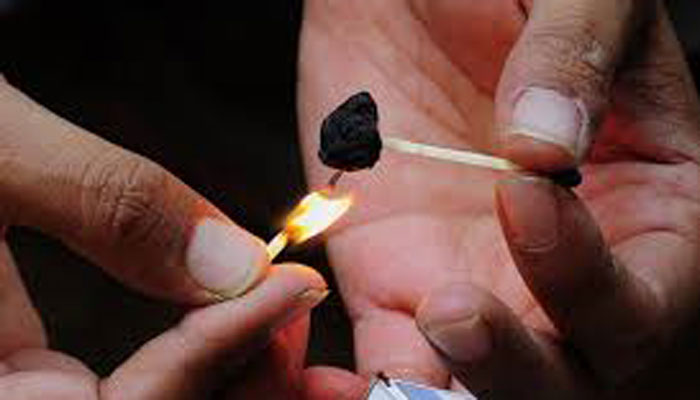
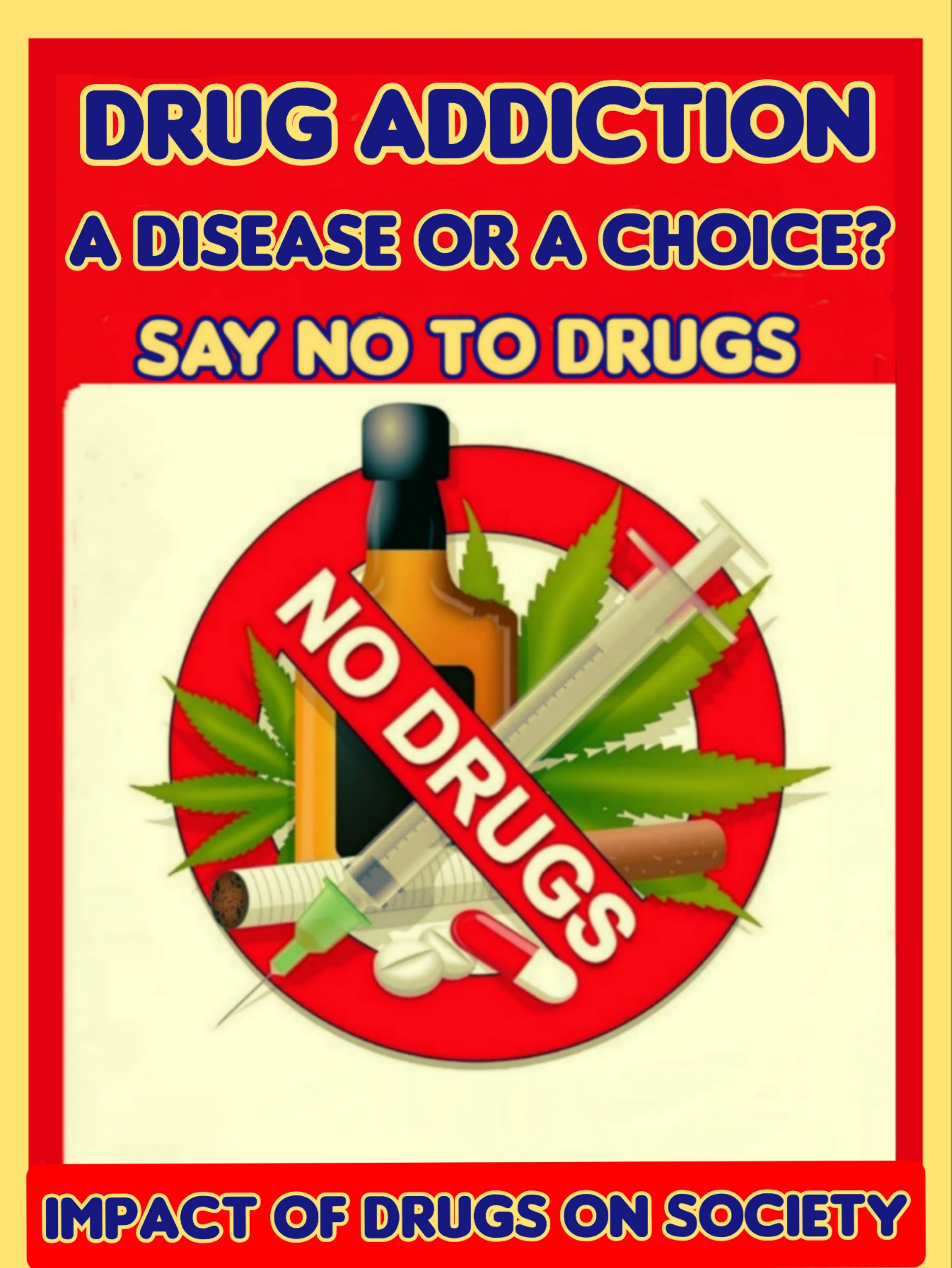
Across Pakistan’s cities, campuses, and drawing rooms, a crisis no one wants to name is consuming a generation. Drug addiction has moved from the margins to the mainstream — rebranded as recreation, dressed up as belonging, and ignored by every institution charged with stopping it.
The country’s youth bulge — celebrated in economic planning documents as a “demographic dividend” — is quietly becoming a demographic deficit. With 64% of Pakistan’s population under the age of 29, any crisis that specifically targets young people does not merely affect a segment of society. It restructures the nation’s future. Drug addiction is that crisis, and it has arrived not with sirens but with normalization, institutional indifference, and a rehabilitation ecosystem so broken it might as well not exist.
The Architecture of Normalization
Every societal collapse is preceded by a period of normalization — the slow migration of the unacceptable into the ordinary. A decade ago, a student caught smoking on school premises faced expulsion. Today, research conducted across university campuses in Islamabad, Lahore, and Karachi consistently finds that students describe drug use not in terms of rebellion or transgression, but in the casual vocabulary of self-management: “just trying it,” “everyone does it,” “it helps me focus.”
This linguistic shift is not trivial. Language encodes social permission. When the phrase “everyone does it” becomes a credible response to concern, peer pressure has already completed its most insidious transformation: it has become peer validation.
Where It Begins: The School Gate
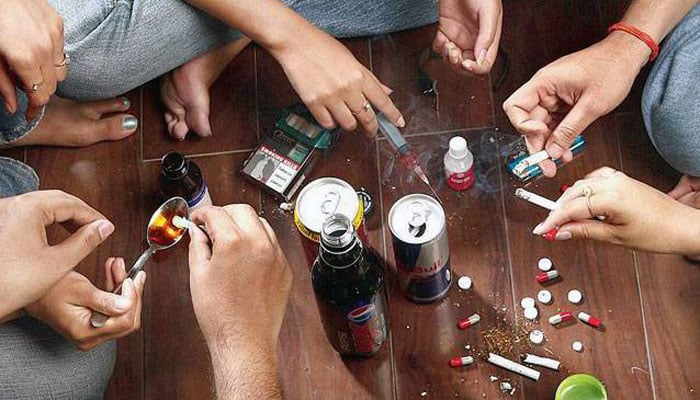
The data on first-use age is unambiguous and alarming. Research findings consistently place initial drug exposure between the ages of 12 and 15 — within the middle-school and early secondary-school years.
It is an indictment of a system that has stripped schools of the resources, training, and mandate to engage with student mental health and substance use. There are virtually no functional counselling services at the school level across most of Pakistan’s educational institutions. There is no standardized drug awareness curriculum that treats students as capable of handling honest information. There are no referral pathways for students who are struggling. Not every student who tries a substance at thirteen becomes addicted. But every student who tries a substance at thirteen because it is the price of belonging has already paid a cost that the school system refused to acknowledge.
If schools are the entry point, universities are the escalation stage. Pakistan’s higher education institutions present a structural paradox: they are officially drug-free zones governed by institutional codes of conduct, and they are, in practice, environments where drug use is low-risk, socially tolerated, and increasingly sophisticated. The gap between policy and reality is not a gap — it is a chasm.
The hostel system, a feature of residential universities across the country, creates conditions in which drug use flourishes with minimal oversight. Students living away from familial supervision for the first time, navigating academic and social pressures simultaneously, and embedded in peer networks that have already normalized substance use find themselves in an environment that offers every incentive to escalate and almost no incentive to seek help. Exam periods intensify this dynamic. The use of prescription stimulants, benzodiazepines, and opioids as “study aids” is reported with disturbing consistency across university campuses in every major city.

Most universities in Pakistan do not have a single trained addiction counsellor on staff. The infrastructure for help does not exist, and in its absence, the infrastructure for harm expands unchallenged.
Drug of choice
- Hashish (cannabis) is the most commonly used substance
- Sedatives and Tranquilizers
- Heroin
- Opium
- Injecting drug use
- Ecstasy
- Solvent Abuse among Street Children
- Ice drugs
Four Drivers, One Crisis
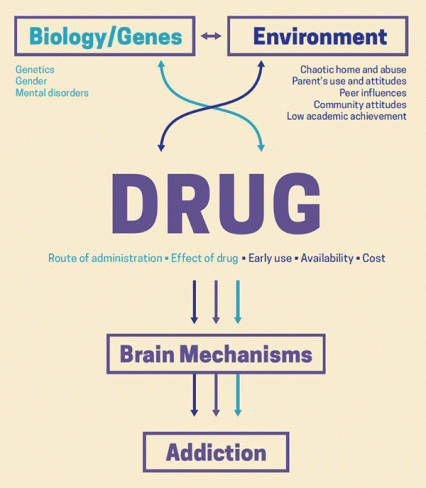
To understand why drug use among Pakistani youth has reached crisis proportions, it is necessary to engage with the structural conditions that produce and sustain it — not merely the supply side, but the demand architecture. Four interlocking drivers explain the scale and speed of this crisis.
The first is psychological pressure. Pakistani young people bear an extraordinary burden of academic and economic stress. A credentialing culture that equates examination results with human worth, combined with an economy that offers diminishing returns on those credentials, produces a population of young people experiencing chronic anxiety with almost no institutional support. The mental health system in Pakistan is one of the most under-resourced in South Asia. In this context, substances that offer temporary relief from overwhelming pressure do not require much marketing. They arrive as answers to questions that no one else is willing to address.
The second driver is identity and belonging. Adolescence is, by definition, a period of identity construction, and belonging is its primary currency. In environments where drug use has been normalized, participation in substance culture becomes a mechanism for social inclusion. This is particularly acute for students who are geographically displaced — living away from home for the first time, in cities where they have no pre-existing social network, and navigating the complex social hierarchies of campus life. The drug circle offers immediate community.
The third driver is digital and media glamorization. The representation of drug use in entertainment content — Pakistani and imported alike — is overwhelmingly positive or neutral in its framing. Substances are aestheticized: they appear in music videos, web series, and social media content as markers of sophistication, rebellion, or authentic experience. Counter-narratives exist, but they are institutional, clunky, and delivered through channels that young people have already tuned out. The cultural production apparatus is not neutral in this crisis.
The fourth driver is accessibility. In major Pakistani cities, obtaining prescription opioids without a prescription, purchasing marijuana through established informal networks, or acquiring synthetic drugs through online channels is not merely possible — it is, by most accounts, easier than accessing mental health care. Supply chains for illicit and diverted substances have become sophisticated, decentralized, and embedded in urban social fabric in ways that intermittent police enforcement has entirely failed to disrupt. Accessibility is not only a law enforcement failure; it is a governance failure of broader scope.

A Culture That Looked Away
Any complete accounting of this crisis must confront a discomfiting sociological reality: drug use among Pakistani youth did not become normalized despite the behavior of adults in Pakistani society. It became normalized in part because of it. The normalization of substance use at private parties, upper-middle-class social gatherings, and elite social circuits — conducted with the discretion that social privilege affords — sends a message about acceptable behavior that percolates downward with far more force than any institutional anti-drug campaign sends upward.
When young people observe that the behavior condemned in school assemblies is practiced at dinner parties, the cognitive dissonance is resolved not in favor of the school assembly. Society’s selective application of moral concern — vigorous when directed at marginalized communities, silent when directed at socially powerful ones — has evacuated the credibility of drug prevention discourse entirely. This is not speculation. It is the consistent finding of researchers who interview young people about their attitudes toward institutional drug messaging: they do not find it credible, because their lived observation tells them it is not consistently applied.
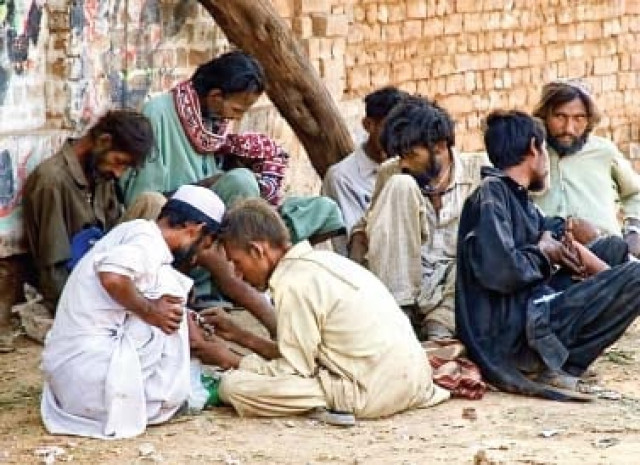
Credit: Mubasher Lucman Offical/YouTube
Pakistan’s youth are not moral failures. They are the inheritors of a society that taught them one thing and practiced another.
The Rehabilitation System: Designed to Fail
Even if a young person in Pakistan recognizes that they have an addiction problem and seeks help — a decision made against a tide of stigma, family shame, and social fear — the rehabilitation system they encounter is unlikely to help them in any meaningful sense. This is not an overstatement. It is the logical conclusion of examining what Pakistan’s rehab infrastructure actually consists of, who it is designed for, and how it operates.
The most devastating statistic in this entire crisis is not the number of users, nor the daily death toll. It is this: fewer than 3% of addicted youth in Pakistan ever access rehabilitation services. That figure represents the combined effect of every barrier — financial, geographic, social, cultural, and structural — that stands between a young person and recovery. It represents a system that has, by any objective measure, ceased to function as a system at all.
Pakistan’s rehabilitation sector is dominated by private facilities that operate with minimal regulation, inconsistent quality standards, and an almost complete absence of evidence-based treatment protocols. The sector has, in many instances, been captured by commercial interests that prioritize revenue generation over therapeutic outcomes. Facilities that function as holding environments — where patients are kept for extended periods without structured therapy, skills development, or reintegration planning — are not uncommon. There is no accreditation body with real enforcement authority. There is no standardized curriculum for rehabilitation counsellors. There is, in the most practical sense, no accountability infrastructure at all.

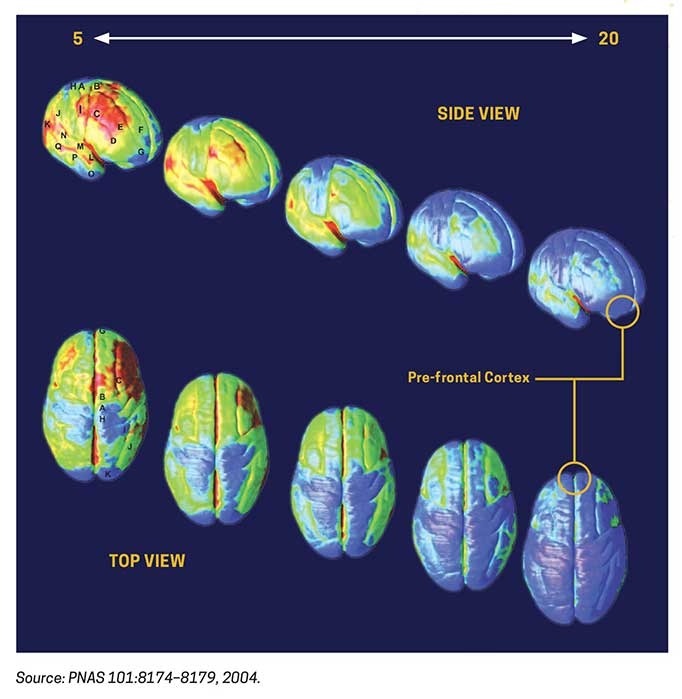
The existing infrastructure was also not designed for youth. The frameworks, therapeutic models, and staff training that govern most Pakistani rehabilitation facilities reflect an understanding of addiction derived primarily from adult male patients with long-term substance dependency. Adolescent addiction has distinct neurological, psychological, and social features that require differentiated approaches — approaches that are almost entirely absent from the Pakistani rehabilitation landscape. A seventeen-year-old being treated in the same environment, with the same methods, as a forty-five-year-old is not receiving rehabilitation. They are receiving something that resembles it from a sufficient distance.
Social stigma operates as a structural barrier with a force that is easy to describe and difficult to overstate. In Pakistani culture, where family reputation is a genuine social currency and mental health conditions carry severe stigmatization, acknowledging a child’s addiction is experienced by many families as an act of social exposure. The family narrative of denial — “he is just going through a phase,” “she has fallen in with bad friends” — is not irrational. It is a rational response to a social environment that punishes disclosure. Until that social environment changes, early intervention will remain structurally inaccessible to the majority of families who need it.
UNODC Reference
United Nations Office on Drugs and Crime reporting on South Asian drug trends consistently identifies Pakistan as a high-prevalence corridor for both opioid consumption and transit, with particular concern about the rising rate of heroin use among urban youth populations and the collapse of demand-side intervention capacity.
The final indictment of the rehabilitation system is the absence of reintegration planning. Recovery from addiction does not end when a patient exits a facility. It continues — for months, years, and in many cases a lifetime — through ongoing support, counselling, community, and purpose. Pakistan’s rehab facilities, with almost no exceptions, discharge patients without aftercare plans, without community-based support networks, and without any structured mechanism for preventing relapse. The cycle of recovery and relapse that characterizes so many cases is not an individual failure of willpower. It is a predictable consequence of an aftercare gap that the system has never been designed to fill.

What This Is Actually Costing Pakistan
The consequences of this crisis are not confined to the individuals experiencing addiction. They radiate outward through families, institutions, and the broader economy in ways that compound over time and eventually become irreversible at scale.
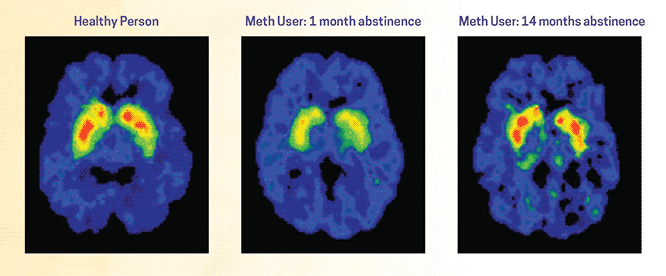
Academic decline is the most immediate and visible consequence. Students managing active addiction experience measurable deterioration in cognitive function, attendance, academic performance, and degree completion rates. The university dropout rate in Pakistan is already high for economic reasons; drug dependency adds a layer of attrition that cannot be separated from broader educational outcome statistics but is, in qualitative research settings, consistently cited as a primary cause of departure.
Social dysfunction extends beyond the individual. Families organized around a member’s addiction experience destabilization in domestic finances, relationships, and psychological health. Children of addicted parents face elevated risk of addiction themselves — a multi-generational transmission of damage that, at the population level, represents a compounding public health debt that no future administration will be able to discharge cheaply.
The economic consequences are, at the national scale, staggering. Pakistan’s entire developmental argument — its pitch to investors, its demographic case for growth — rests on the productivity of its young population. A workforce impaired by addiction, undertreated, stigmatized, and expelled from the formal economy does not deliver a demographic dividend. It delivers a demographic liability. The country is not merely losing productive years. It is losing the human infrastructure on which every other developmental aspiration depends.
What Must Actually Be Done
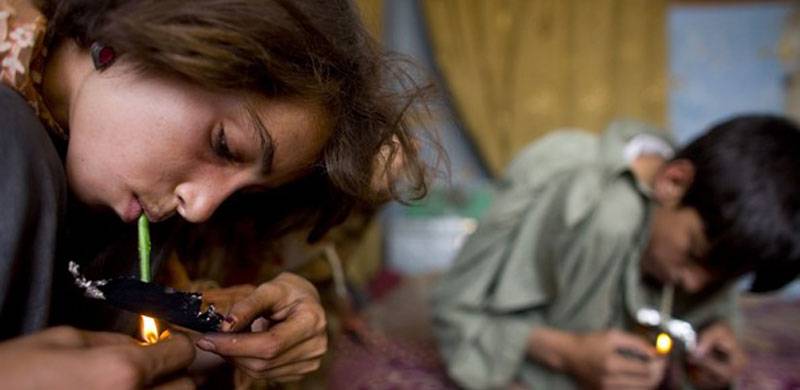
The solutions to this crisis are not obscure. They are documented in international public health literature, modeled successfully in contexts with comparable social and economic conditions, and recommended repeatedly by Pakistani researchers, clinicians, and advocacy organizations. The problem is not knowledge. The problem is political will, institutional capacity, and the cultural honesty to treat this as the national emergency it is.
Institutional accountability must begin at schools and universities. Every secondary school in Pakistan should be required — not encouraged, required — to have a trained school counsellor as a condition of operating license. Every university should be required to maintain a functional student mental health and substance use support infrastructure, subject to annual reporting and independent audit. The gap between written policy and operational reality must be made legally consequential. Institutions that maintain drug-free policies as public relations documents while failing to provide intervention infrastructure should face regulatory consequences.
Rehabilitation system reform requires a complete restructuring of the regulatory framework governing private facilities. An independent accreditation body with real enforcement authority — the power to revoke operating licenses, not merely issue recommendations — must be established. Evidence-based treatment protocols must be defined and mandated. Youth-specific programmes, staffed by counsellors trained in adolescent addiction, must become a mandatory rather than optional feature of any facility that admits patients under twenty-five. Public rehabilitation facilities must be funded at a level that makes them a genuine alternative to unaffordable private care.
Supply chain disruption remains necessary but has been consistently over-relied upon as a strategy while demand-side interventions languish. Law enforcement pressure on trafficking networks must be combined with targeted action against the diversion of prescription opioids and benzodiazepines — a supply source that is less visible than trafficking corridors but far more accessible to young people in urban environments. Pharmacy regulation must be treated as a public health priority, not merely a compliance matter.
Cultural reframing is the most difficult and the most essential intervention. The stigma surrounding addiction must be systematically challenged through public communication, media engagement, and — critically — the modeling of honest discourse by political and community leaders. This means acknowledging that addiction is a medical condition, not a moral failure. It means creating spaces in which families can seek help without social exposure. It means demanding that media and entertainment content engage with substance use in ways that do not glamorize it. None of this happens quickly, and none of it happens without deliberate investment.
Early intervention, finally, must be formalized as a national strategy rather than left to the discretion of individual institutions. A national early warning system — combining school-level screening, community health worker training, and accessible referral pathways — would represent a genuine structural response to the reality that addiction is almost always identifiable before it becomes severe. The window for effective early intervention is not narrow. But it closes, and it closes faster than the institutions currently responsible for it are moving.

A Society That Has Decided Not to Look
What is most striking, in surveying this crisis, is the systematic quality of the silence around it. It is not that people do not know. Parents know. Teachers know. Friends know. Employers know. The knowledge is everywhere and the conversation is nowhere.
Party hosts do not discuss the cocaine distributed in their bathrooms. University administrators do not publish addiction statistics from their student surveys — if they conduct them at all. Parents negotiate with themselves: it is just a phase. He will grow out of it. She is doing fine in her grades. And in the meantime, the dependency deepens, the threshold rises, and the young person moves further from the version of themselves they might otherwise have become.
Pakistan is not losing this generation to drugs. It is surrendering them — deliberately, systemically, and with full awareness of what the surrender costs. The cost, denominated in human lives, truncated futures, and a developmental trajectory already bending toward crisis, is one that no subsequent government will be able to correct cheaply. Every year of delay compounds the debt. Every year of silence is a policy decision.
The question before Pakistan’s policymakers, its institutional leaders, and its civil society is not whether they can see what is happening. They can see it. The question is whether they will allow the seeing to become action before the generation being surrendered is gone.
Disclaimer:
Sada-E-Watan provides news and opinion articles as a service to our readers. These articles and news items come from sources outside of our organization. Where possible, the author and the source are documented within each article. Statements and opinions expressed in these articles are solely those of the author (reporter/newspaper) or authors (reporters/newspapers) and may or may not be shared by the staff and management of Sada-E-Watan. Sada-E-Watan was created to provide one convenient central location where a user can quickly scan headlines from many news sources. The headlines listed on Sada-E-Watan pages are links to stories on the sites where these stories are located. The goal of Sada-E-Watan is to help readers access stories on web sites that they would normally not have time to view on a regular basis and to add value to the news source sites by mentioning their name on top, so readers can view these sites.
The Sada-E-Watan takes no responsibility for any loss or damage suffered as a result of using the linked websites or as a result of using the information published on any of the pages of the linked websites.
Whilst every effort is made to ensure downloadable content is free from viruses, Sada-E-Watan cannot accept any liability for damages resulting from virus infection. You should take adequate steps to ensure your virus check regularly when using any device. If you have any questions or comments about Sada-E-Watan, please contact us at: radio@sada-e-watan.com.