By Ammara Liaquat Ch
Doctor of Pharmacy
(Pharm.D.)
Women’s Mental Health in Pakistan
پاکستان میں عورتوں کی دماغی صحت
पाकिस्तान में महिलाओं का मानसिक स्वास्थ्य
“You gain strength, courage, and confidence by every experience in which you really stop to look fear in the face.”
“Courage allows the successful woman to fail – and to learn powerful lessons from the failure – so that in the end, she didn’t fail at all.”
“Your present circumstances don’t determine where you can go; they merely determine where you start.”
“I am not afraid of storms, for I am learning how to sail my ship.”
“The most beautiful people we have known are those who have known defeat, known suffering, known struggle, known loss, and have found their way out of the depths. These persons have an appreciation, a sensitivity, and an understanding of life that fills them with compassion, gentleness, and a deep loving concern. Beautiful people do not just happen.”
“Just be true to yourself. Listen to your heart. The rest will follow. Everyone has problems. You aren’t alone.”
“We feel ashamed to talk about it.”
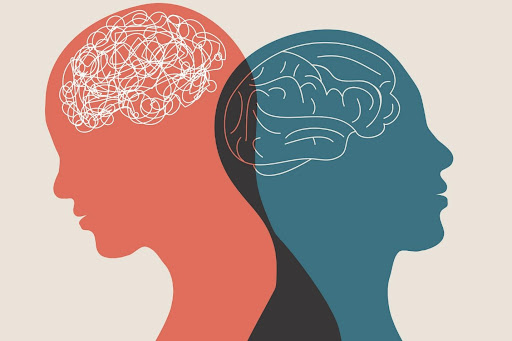
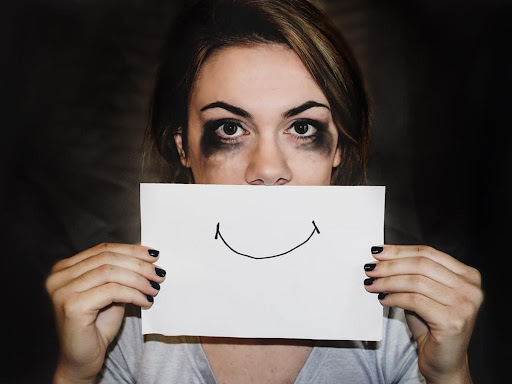
Just like physical health, taking care of mental health is also very important. In Pakistan, women’s mental health is a stigma that doesn’t get enough attention. Many women suffer quietly as they have to face depression, anxiety, and trauma every day.
Pakistan is a land of culture with values where social attitudes become an integral part of women’s mental health. The religious and ethnic conflicts represent major stress factors, along with a dehumanizing attitude towards women.
Living in a culture that shames mental struggles and with very little access to help, millions are left to cope alone. This article highlights the challenges faced by Pakistani women and explores ways to improve their situation.

What is Mental Health?
Mental health is basically all about how a person thinks, acts, and feels. This significantly affects the person’s ability to make choices and decisions. The factors that largely affect mental health are.
- Hormonal changes
- Domestic pressure
- Pregnancy and childbirth
- Lack of education or freedom
- Abuse or trauma
- Financial Problems
Women who are suffering from mental health issues become agitated and disturbed all the time. Ultimately, this affects their family, work life, physical health, and future as well.
Why Mental Health Hits Pakistani Women Harder?
Mental health problems affect women in Pakistan more than men. Studies show women lose twice as many healthy years to depression as men. This cavity stems from the tough realities women face every day, such as societal pressure and unfair judgment. Depression and anxiety are common, and these impact women more than men.
What makes it worse? Culture, violence, and limited opportunities make life tough for many women. From abuse at home to feeling stuck with no way out, Pakistani women have to deal with a lot.
According to a recent study, “The Burden of Mental Disorders in the Eastern Mediterranean Region, 1990-2013,” conducted by an independent global health research centre at Washington University. The Eastern Mediterranean Region consists of nations in the Middle East and North Africa, including Pakistan and Afghanistan. These nations are witnessing an increase in chronic disorders, including mental health problems.
“Women in Pakistan lost nearly 1.2 million total DALYs to depression, compared to men’s more than 495,000 DALYs in 2013. Anxiety exhibits a similar gender divide, with women in the country losing over 376,700 total DALYs to anxiety, while men lost approximately 212,000 DALYs.”
Dr Anwar Rafay, an epidemiologist and co-author of this study, suggested the alarming situation.
“Mental health disorders are taking an alarming toll on people in Pakistan and throughout the Eastern Mediterranean region. Women often in the prime of their lives are losing years of good health to depression, anxiety, and other disorders,” he said.
How Many Women Face Mental Health Issues?
- 1 In every 5 women suffers from common mental health issues like depression and anxiety, according to the World Health Organization.
- According to the studies in Pakistan, more than 37% of women show symptoms of depression.
- Over 60% of women in rural areas in Pakistan suffer from untreated mental health conditions.
- Women are being taught to be strong and stay quiet, and they do not realize that they are having a mental illness.
Mental health awareness is crucial in the wake of such scenarios in Pakistan.
“This is unacceptable and must be addressed by governments, public health experts, and citizens.”
Signs That Women Might Need Mental Health Support
Here are some signs that indicate women may be suffering from mental health problems:
- Always feeling tired or sad
- Loss of interest in daily activities
- Feeling worthless or hopeless
- Withdrawing from family or friends
- Having trouble sleeping or eating
- Crying every time
- Frequent mood changes
Please help out if anyone around you is facing the above symptoms.
How Culture Hurts Women’s Minds?
1- Traditions:
The Pakistani population has a strong male-dominating society that shapes women’s lives. Some of the traditions, like honor killings, forced marriages, and dowry demands, put a huge stress on women. These rules mostly tell that a woman’s worth is just about family pride or money, not about her own happiness.
2- Gender based violence:
There is another social problem in Pakistan. One of the studies says that up to 90% of women face verbal or mental abuse, and 50% get physically hurt by their partners. This type of violence leads to serious issues like depression, anxiety, or even trauma that usually lasts for years.
Maria is a 28-year-old married woman from Lahore. She wakes up every day with a knot in her stomach. Her husband comes home late, and her in-laws criticize her cooking. But she is constantly advised to adjust.
Even when she cries at night, she wipes her tears quickly because in her house, good wives do not complain. Within two years of marriage, she had developed severe anxiety, but no one around her believed mental health was real.
Three arrested in Rawalpindi for ‘assaulting, cutting girl’s hair’
Rawalpindi police said that three suspects have been arrested for allegedly assaulting a girl and cutting her hair as a video of the incident went viral on social media, it emerged on Tuesday.
The case, which emerged after the video circulated online, showed a man cutting the girl’s hair with a pair of scissors, with others watching in the background. Later, another video surfaced in which the purported.

Islamabad Police@ICT_Police
اسلام آباد: تھانہ لوہی بھیر کی حدود میں خاتون کے بال کاٹنے کا ڈراپ سین۔ واقع ڈیڑھ ماہ قبل راولپنڈی کی حدود میں رونما ہوا۔ اسلام آباد پولیس نے لڑکی کو ٹریس کر لیا۔ متاثرہ لڑکی نے اسلام آباد پولیس کو وقوعہ سے متعلق بیان ریکارڈ کرا دیا۔ سوشل میڈیا پر لڑکی کے بال کاٹنے کی ویڈیو وائرل ہوئی تھی جو کہ علاقہ تھانہ لوہی بھیر اسلام آباد کا بتایا جا رہا تھا۔ اسلام آباد پولیس نے مختلف مقامات پر چھاپے مار کر ویڈیو میں ملوث افراد کو حراست میں لیا۔ دوران تفتیش معاملہ راولپنڈی کی حدود کا نکلا۔ متاثرہ خاتون اور حراست میں لئے گئے ملزمان کو متعلقہ پولیس کے حوالے کیا جا رہا ہے، ویڈیو وائرل ہونے پر ایس ایس پی آپریشنز اسلام آباد نے واقعے کا نوٹس لے کر رپورٹ طلب کی تھی۔ ایس ایس پی آپریشنز اسلام آباد قاضی علی رضا نے بروقت کارروائی پر تھانہ لوہی بھیر پولیس ٹیم کو شاباش دی
These horrible, brutal attacks against women, including killings, kidnappings, and sexual harassment, take place all over Pakistan on a daily basis.
“Realize that you are not alone, that we are in this together, and most importantly, that there is hope.”
Domestic violence: Includes physical abuse, emotional or psychological abuse, and sexual violence.
Domestic violence is prevalent in Pakistan, with a significant impact on women’s mental health, leading to high rates of depression, anxiety, and PTSD. Factors such as cultural norms, socioeconomic conditions, and a lack of accessible support services exacerbate the problem. Studies indicate strong links between experiencing violence (physical, emotional, or sexual) and negative mental health outcomes like feelings of worthlessness and suicidal thoughts.
Research indicates a high prevalence of domestic violence against women in Pakistan. One study found that approximately 80% of households experience domestic violence, while a separate study reported that 34% of ever-married women have experienced physical, sexual, or emotional violence.
Psychological abuse is the most common type, followed by physical abuse.
3- Divorce:
Divorce is another factor, and society does not approve of it. Ultimately, women suffer in silence, stay in bad situations, which hurts their mental health even more.
Divorce often triggers feelings of loneliness, guilt, and low self-esteem. A person has to go through a major life transition, which impacts their children and emotional well-being.
4- Post Partum Depression:
Postpartum Depression is categorized as the onset of depressive symptoms within 6 weeks of childbirth. Globally, it can affect up to 15% of mothers annually. Its prevalence in Pakistan ranges from 28-63%.
Women who suffer from postpartum depression are unable to take care of themselves and their newborns. It significantly disrupts the infant-mother bonding, leading to child neglect and ultimately emotional and physical child abuse.
Maria had her first baby last year. Everyone expected her to be happy and glowing, but instead, she felt empty, exhausted, and disconnected from her child. When she tried to talk about it, her family always said, It’s just a weakness, pray more and you will be fine.
Months passed, and Maria slipped deeper into postpartum depression because no one recognized the signs, and she did not know where to seek help.
“Don’t ever lose hope. Even when life seems bleak and hopeless, know that you are not alone.”
Possible Causes of Mental Issues Faced by Women in the Workplace
1- Workplace Discrimination and Gender Biasness
Workplace discrimination is the most significant factor contributing to mental health. Females are not equally treated compared to their male counterparts. Also, these are subject to limited career opportunities along with a lesser pay. Biasness is common in performance evaluation.
This kind of discrimination leads to stress, anxiety, depression, and burnout. One such study finds that women who perceive gender discrimination experience more mental health issues than those who do not.
2- Work-life Balance
This is one of the major causes of the poor mental health of working women in Pakistan. In Pakistani society, cultural expectations are so severe that these women have to do both professional and personal responsibilities.
Apart from going to work, they have to do house chores as well. Also, they are looking after kids and caring for elderly people. It’s exhausting, causing anxiety, anger, and even depression at times. Additionally, non-provision of flexible work and serious conditions on maternity leave can worsen the situation.
3- Professional Isolation
Isolation is one of the possible factors for women in Pakistan, where men dominate. In leadership positions or in male-oriented areas, women suffer from isolation in professional settings. There is a lack of female mentors and supporters, so women find it hard to find guidance.
This isolation is a precursor to self-doubt and loneliness, leading to anxiety. Social isolation and loneliness are linked to mental illness. Also, it can lead to emotional discomfort, suicide, poor sleep, and poor behavioral patterns. Hypertension and compromised immunity may occur from isolation.
4- Stigma Regarding Mental Health
Lack of mental health awareness at the workplace and stigma are other major problems facing Pakistani women. With modernization and civilization, there is a growing awareness regarding mental health. However, it still carries a stigma of going for help or therapy.
Women hesitate to openly discuss their mental health due to the fear of being judged or labelled as weak. Moreover, there is pressure on a woman to look after the home and succeed at the workplace, too. Ultimately, this leaves a pretty short space for self-care and affects mental well-being.
5- Workplace Harassment
Work harassment and mental health are the new culprits for corporate women in Pakistan. Gender harassment and workplace exposure lead to unappealing mental outcomes, like stress, anxiety, and depression. Also, affects the work productivity.
The level of harassment faced by women at the workplace varies from inappropriate comments to severe sexual harassment. By not applying strict anti-harassment policies, the situation gets aggravated in Pakistan.
6- Burnout Due To Excessive Work
Burnout is another phenomenon that spikes women’s mental and occupational health. This is a kind of emotional, physical, or mental exhaustion rooted in excessive work pressure or stress. Women often face an abundant workload in Pakistan and are expected to do their best in both personal and professional fronts.
While striving to attain the best level of perfection and satisfaction in every possible aspect of life. One tends to sustain chronic stress and frustration, thus impacting the female population.
7- Job Insecurity
Job Insecurity is the one ugly thing that has been related to mental health. There are wider perceptions submerged in job insecurity as compared to gender discrimination, which ultimately increases the stress levels among women.
A lot has been related to caregiving responsibilities and gender perceptions of workforce longevity. Once a woman gets married, her chances of permanent employment are less.
8- Contributing factors and barriers
- Cultural and societal norms: Societal attitudes, cultural practices (such as Karo Kari, dowry, and exchange marriages), and the extended family system contribute to the marginalization of women and violence against them.
- Fear and stigma: Women often fear escalating violence, have no one to confide in, or feel that reporting will not make a difference, leading many to remain silent.
- Lack of resources: There are significant barriers to help, including a lack of accessible mental health services and limited knowledge about available support systems.
Men Suffer From Mental Distress Too
“The macho attitude of stuffing your feelings down or ignoring them is antiquated and downright dangerous for men’s mental health.”
“While women suffer disproportionately, men also carry silent mental health burdens that must be understood.”
Men in Pakistan face significant challenges due to a lot of societal pressure and economic stress. An ubiquitous stigma discourages them from seeking help. This results in anxiety and depression, which ultimately leads to suicide.
The following are the mental health challenges faced by Pakistani men.
1- Societal Pressure:
Basically, traditional gender roles put a heavy burden on men. Males always try to become strong, self-reliant, and the primary breadwinner of the household. Ultimately, these result in stress and anxiety.
2- Economic and Social Stressors:
Unemployment and financial hardships often trigger health issues. Other than this, a lot of societal challenges are major contributors to stress in men.
3- Stigma and Underreporting:
A strong stigma regarding mental issues means men are often reluctant to seek treatment. Generally, men are avoidant of speaking up about their issues. These problems are sometimes referred to as character flaws rather than health issues.
4- Increased Risk of Suicide:
The high pressure on men and stigma of not getting proper help result in a higher suicide rate among men as compared to women.
5- Limited Access To Care:
Pakistani men often face a shortage of mental health professionals. Also, there is a lack of accessible and affordable mental healthcare services.
What Can We Do About It?
Health problems needs a lot of work. Here are some ideas to improve mental health care for women in Pakistan.
- Talk about it: Share the information so that mental health stigma can be stopped. Ensure that it is okay to get help.
- Make laws stronger: Make rules that work and protect women from gender-based violence in Pakistan.
- Give chances: Help the women go to school and get a proper education so that they can get themselves financially stable.
- Add more help: Give proper training to mental health workers and create spaces for women.
- Fit the culture: Make a proper support system that helps to find ways to decrease mental health issues in Pakistan.
- Go for therapy: Take personalized sessions to make your living and behavioral patterns better.
- Policy and healthcare integration: Policymakers must prioritize reforms that integrate mental health services into regular healthcare and support psychosocial recovery programs.
- Community awareness: Raising community understanding about domestic violence and its impact on mental health is crucial for reducing stigma and encouraging help-seeking behavior.
- Support and intervention: Providing immediate psychological support and suicide prevention protocols for high-risk individuals is essential.
Final Verdict
Mental health issues in women are not a joke anymore. They are real and rising to a peak. Pakistani women suffer in silence and pain. It’s high time to break the social stigma by providing proper support. It’s time to build a nation where every woman lives a life full of love and peace.
Pakistani women are more prosperous than their counterparts in other developing countries of South Asia. However, some fundamental changes are required to enhance their well-being.
It is essential to take constructive steps by implementing women-friendly laws and by providing more learning opportunities. Strategies must be implemented to upgrade the status of women as successful members of society.
Men just like women suffer from everyday life pressures. Contrary to the perception, men, too, have gender roles assigned to them by society. Men also need to break the stigma and seek help.
If you or your loved ones are suffering from any mental issue or distress, always speak up.
“Being emotionally honest can save your life. Reaching out may be hard, but as soon as I did it, I was immediately covered in love.”
“Life is not easy for any of us. But what of that? We must have perseverance and, above all, confidence in ourselves. We must believe that we are gifted for something and that this thing, at whatever cost, must be attained.”
“Things not to say to someone with mental illness: Ignore it. Forget about it. Fight it. You are better than this. You are overthinking.”
Disclaimer:
Sada-E-Watan provides news and opinion articles as a service to our readers. These articles and news items come from sources outside of our organization. Where possible, the author and the source are documented within each article. Statements and opinions expressed in these articles are solely those of the author (reporter/newspaper) or authors (reporters/newspapers) and may or may not be shared by the staff and management of Sada-E-Watan. Sada-E-Watan was created to provide one convenient central location where a user can quickly scan headlines from many news sources. The headlines listed on Sada-E-Watan pages are links to stories on the sites where these stories are located. The goal of Sada-E-Watan is to help readers access stories on web sites that they would normally not have time to view on a regular basis and to add value to the news source sites by mentioning their name on top, so readers can view these sites.
The Sada-E-Watan takes no responsibility for any loss or damage suffered as a result of using the linked websites or as a result of using the information published on any of the pages of the linked websites.
Whilst every effort is made to ensure downloadable content is free from viruses, Sada-E-Watan cannot accept any liability for damages resulting from virus infection. You should take adequate steps to ensure your virus check regularly when using any device. If you have any questions or comments about Sada-E-Watan, please contact us at: radio@sada-e-watan.com.