





USA

USA

INDIA

India

BANGLADESH

BANGLADESH

NEPAL

Nepal

FIJI

FIJI

PAKISTAN

Pakistan

Melody Media Productions

Excellence in Broadcasting!

Pervez Saleem

(Producer/Director)

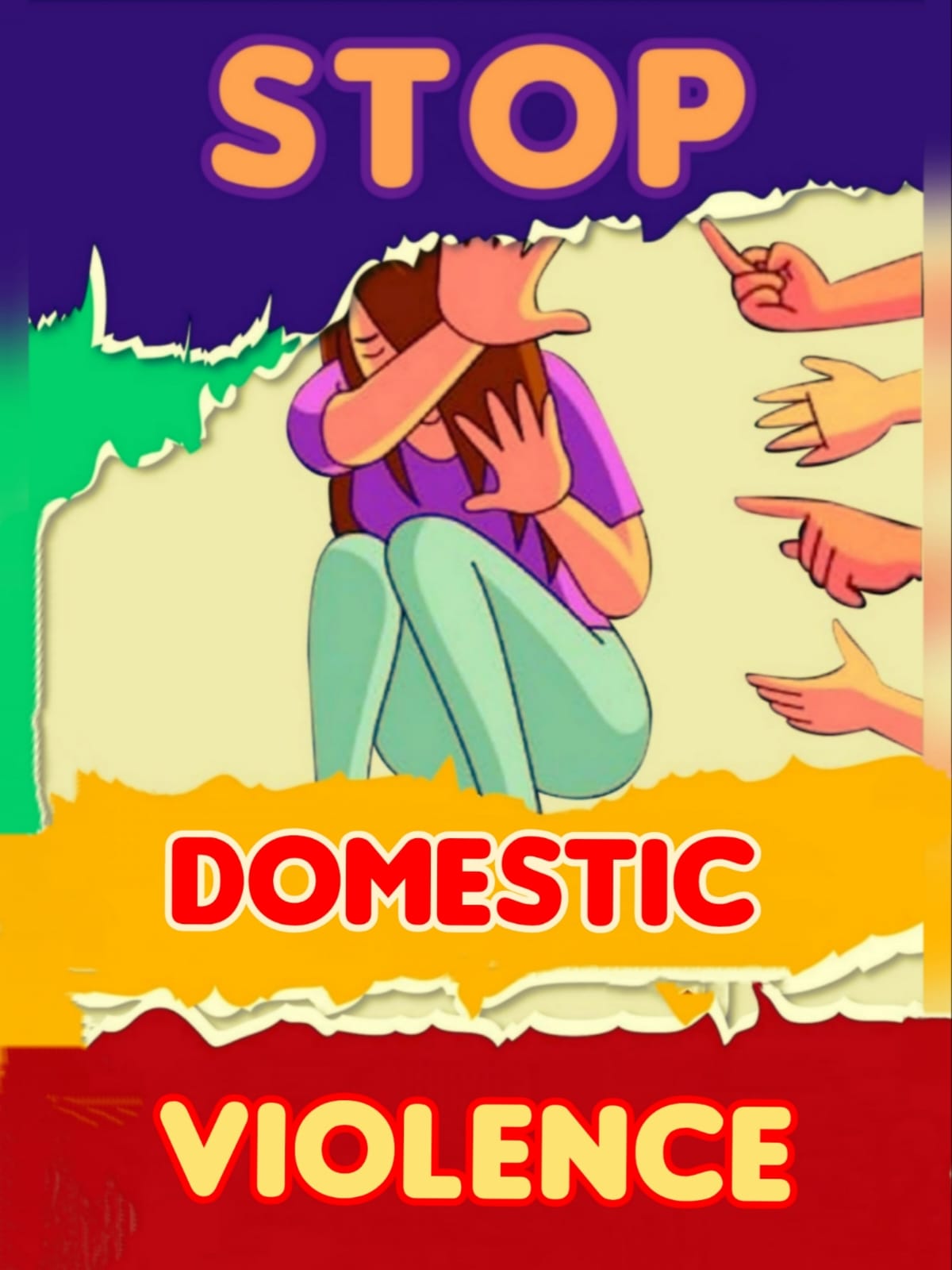
Stop Domestic Violence

Verbal Abuse Is Just as Harmful as Physical Abuse. Uncovering The Cycle of Emotional Abuse of Women in Pakistani Society.

By Shagufta Mobeen
Educationist
M.Sc. in Zoology+B.Ed.

Verbal Abuse Is Just as Harmful as Physical Abuse.
Uncovering The Cycle of Emotional Abuse of Women in Pakistani Society.
زبانی بدسلوکی اتنی ہی نقصان دہ ہے جتنی کہ جسمانی زیادتی۔
پاکستانی معاشرے میں خواتین کے ساتھ مُسلسل جذباتی زیادتی کا پردہ فاش کرنا۔
मौखिक दुर्व्यवहार भी शारीरिक दुर्व्यवहार जितना ही हानिकारक है।
पाकिस्तानी समाज में महिलाओं के भावनात्मक दुर्व्यवहार के चक्र का खुलासा।
 

“If we are to fight discrimination and injustice against women we must start from the home for if a woman cannot be safe in her own house then she cannot be expected to feel safe anywhere.”
“It was much easier to explain the veil than to answer questions about the wounds.”
“You can break a body, but you can never break a spirit that chooses to rise despite the hurt.”
“We cannot change the way society views women until we address the mixed messages we send about their value”
“When a girl is forced to endure such a violation, she learns to question everything about herself, her worth, her value, and her power.”
“My journey taught me that the most powerful tool in overcoming trauma is the will to speak, the courage to be heard”

The menace of emotional abuse and why a domestic violence bill is the need of the hour - Pakistan - DAWN.COM“He doesn’t have to hit you for it to be abuse. He can degrade,
humiliate, blame, curse, manipulate or try to control you. It’s still domestic violence.”

Why Some Men Use Verbal Abuse
Some men want to appear dominant within relationships and family settings, and these men want to lose the confidence of women, making her entirely dependent on them for her sense of truth and sanity. That’s how wicked men live in anger. A lack of emotional awareness and poor communication skills can further lead to verbal violence and disrespect. In many cultures, harsh language is mistakenly
associated with masculinity, causing emotional abuse are widely practiced in homes and relationships. Actually, men want a harmful level of control over women. Usually, when men reject women, they may use disrespectful language, which can deeply hurt a woman.

Verbal and emotional abuse inflict profound psychological harm that equals or exceeds physical violence. In Pakistani society, emotional abuse frequently forms a toxic, invisible cycle sustained by cultural, economic, and patriarchal pressures. Understanding how this dynamic operates is critical for breaking the silence and supporting survivors.

In Pakistan, men are generally considered superior, and women are treated like chattels who are expected to be dutiful to husbands and children, particularly as they lack economic security. The husband was the perpetrator the most often. Abuse was categorized as “verbal” when there was use of bad or abusive language, a loud tone, bullying, threatening (oral threats, intimidating behavior, gestures, or throwing or smashing things).

Page 16 | Female abuse Vectors - Download Free High-Quality Vectors from Freepik | FreepikIf we would treat each other with common courtesy,
we could make this world a much better place.

Perpetrators
The husband was the commonest perpetrator of violence (88%), often in combination with other members of his family. 58% of the cases were only with the husband. The second most common abuser among the other perpetrators was the mother-in-law (15%) working together with her daughter(s) or other son(s). Mothers-in-law incited or sparked violence against the victim by complaining to
the husband.

The Hidden Emotional Pain of Women
In many cases women suffer from severe emotional abuse in their own homes for years. They are constantly subjected to taunts, criticism, emotional blackmail, character assassination, humiliation and blame from their husbands and in-laws. Even after marriage, some women are pressurized to bring expensive gifts, money or other items from their parents’ home.

“If they do not meet these expectations, they are insulted, tortured emotionally and
treated unfairly.”

Some women are falsely accused, constantly blamed for household problems and mentally harassed, even though they try to keep peace in the family. The constant teasing, emotional abuse and mental cruelty slowly eat away at their confidence and emotional well-being, leaving them emotionally drained and broken. Physical violence was experienced by women, usually in combination with verbal and/or psychological abuse. Mild forms were slapping, pulling hair, pushing or shoving, grabbing, hitting with an object and twisting the arms, while severe forms were kicking, punching, suffocating, intentional burns, hitting that resulted in fracture or injury to a vital organ. Physical injury in pregnancy was also reported.
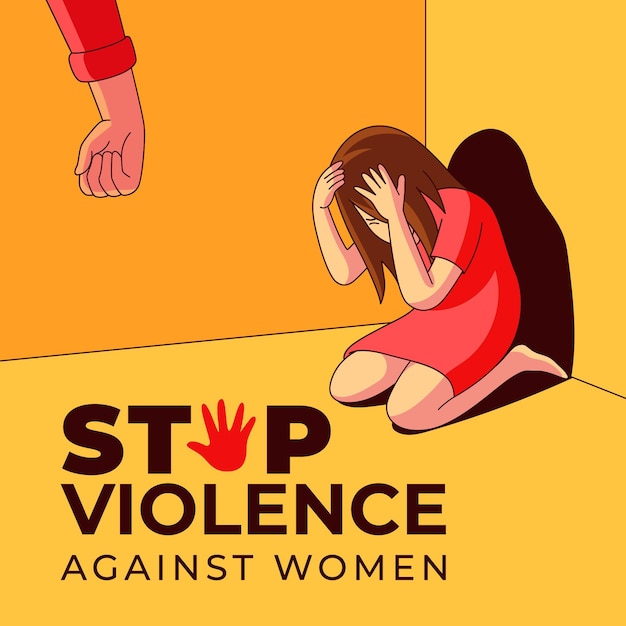
Stop violence against women, international women's day vector illustration | Premium Vector“Verbal abuse is still abuse. It’s abuse in the form of words.
Don’t assume that a few hurtful words won’t cost them their life. Words hurt.”

Real Cases of Domestic Violence in Pakistan
There are many cases in Pakistan in which females try to be suicidal and try to kill themselves due to their husbands who don’t care for their women.

The Case of Police Officer Mary Rose in Rahim Yar Khan
In RAHIMYAR KHAN: A young police officer committed suicide here reportedly due to domestic issues due to apparent problems with her husband. The last few chilling words written by the sub-inspector to her mother before she committed suicide were:
“Please pray my soul is taken away peacefully. Marry my daughters to someone
who can take responsibility.”

Mary Rose, a mother of two, is said to have taken the extreme step because of
some domestic problems with her husband.

The Noor Mukadam Murder Case in Islamabad
IN ISLAMABAD: In 2021 a brutal murder happened in Islamabad. She was brutally killed by a man, Zahir Jaffer. This was an horrific incident. She was actually beheaded. When anyone listens, they feel goosebumps on their body.

The Sania Zahra Case in Multan
In Multan: In 2024 a very beautiful girl was murdered by her husband. She is the mother of two sons. Her father accused her of being a victim of domestic violence, mental stress and continuous emotional abuse. Sania Zahra gave birth to a son, but after some time her husband allegedly started physically and emotionally abusing her and pressuring her to bring property and financial support from her parents, her father said. After constant abuse, Sania returned to her parents’ house and even filed for divorce in court. But she returned to her husband’s house for the sake of her child after consulting both families.

Her father also said the abuse and violence continued after she returned. On July 9, police informed the family that Sania’s body was discovered in her bedroom at her in-laws’ house in Multan. The family said when her mother and relatives arrived at the scene, they allegedly saw signs of physical violence on her face and body. Cases like Sania Zahra in Pakistan also show emotional abuse, humiliation, constant pressure and toxic family environments can take on women’s mental and emotional health.

Page 11 | No violence against women Images - Free Download on Freepik“It is not the bruises on the body that hurt.
It is the wounds of the heart and the scars on the mind.”

Statistics and Research on Domestic Violence in Pakistan
Studies in Pakistan have shown that emotional abuse is very common among married women. A study done in Pakistan found verbal violence as a significant public health problem, with 100% of the male respondents admitting to verbal abuse of their wives.
All Women reported as

Verbal Abuse 100%
Psychological abuse: 58%
Physical Violence 76%
Sexual Abuse: 12%

Overall, 39% of women experienced some form of economic control. This included withholding money from the victim or refusal to meet household expenses, control of the woman’s wages or assets and theft of valuable assets such as personal jewelry, land, etc. Economic abuse always occurred in conjunction
with other forms of violence.

According to UNFPA Pakistan, almost 34% of ever-married women in Pakistan suffered from physical, sexual or emotional violence at the hands of their spouses. Social pressure, fear of judgement, financial dependence, or concern for children are reasons why many victims do not report this abuse.

Pakistan is trailing most developing countries in women’s health and gender equity. The sex ratio is one of the most unbalanced in the world in favor of men, due to excess female mortality in childhood and during childbearing. Serious constraints on women’s use of the limited services available include limited mobility, decision-making power, income, and prohibitions on seeking care from male providers.

Women’s Reactions and Survival Strategies
Women’s reaction to abuse
Most of them (90%), at first, were silent.
58% responded, either by answering back or
56% spoke to someone.
28% moved back in with their parents.
26% took some legal action for separation/divorce.
17% said they went to visit a friend or relative just to get out of the home environment and tension.

Economic Dependence and Social Vulnerability of Women
Women took active steps to reduce the situation that led to abuse:

“I don’t ask for money anymore.”
“I have found a job.”
“I keep quiet now till he has cooled down and express my views later.”

More likely to accept the situation and continue to live with the husband rather than return to their parental home were individuals who had a poor family support system (parents dead or very poor).

In Pakistan women are dependent on men socially, culturally and economically. Based on this concept, the male member is the dominant member in the society, and the female members are expected to be docile. Men can exploit women’s vulnerabilities.

Why Emotional Abuse Should Not Be Considered a Private Matter
Domestic violence should not be regarded as a private matter either. It is a social problem, and its solution will require public policy, including appropriate legislation and protection of women’s rights. Isolation and protection of women’s rights.


The “cycle of violence” is a model that describes a pattern of predictable repeated domestic violence.
Uncovering the Cycle in Pakistani Society
Emotional abuse in Pakistan is deeply embedded in social structures, operating in a predictable, repetitive cycle: 
1. The Mechanics of Abuse
Abuse rarely begins with a physical strike. It commonly takes the form of:
  • Controlling Behaviors: Monitoring social interactions, restricting mobility, and limiting financial autonomy.
  • Public and Private Humiliation: Slander, defamation, and consistent shouting in front of family members or in-laws.
  • Threats: Intimidation regarding divorce, snatching children, or inflicting further harm to maintain dominance. 
2. The Cultural & Social Factors
The cycle persists in Pakistan due to severe social stigma and a patriarchal framework that often normalizes or enables the abuser: 
  • Stigma of Divorce: The immense societal pressure to “keep the family together” is disproportionately placed on women.
  • Financial Vulnerability: With a large percentage of women discouraged or forbidden from working, financial dependency traps them in abusive environments.
  • Community Pressure: The fear of bringing shame to the natal home forces many women to hide or endure the abuse in silence. 

Psychological violence (emotional violence) An action or set of actions that directly impair the woman's psychological integrity. Acts of psychological violence include: • Threats of violence and harm against the woman orTreat others how you want to be treated

The Unseen Effects of Verbal Abuse on Women

Verbal abuse of women includes behaviors intended to control, intimidate, shame, or emotionally harm women. This may include shouting, insulting, blaming, mocking, threatening, manipulation, public humiliation, and constant criticism. So, Women lost sense of happiness and emotional stability. Such emotional attack broken them from inside, even there are no visible physical injuries. Society often fails to recognize emotional abuse as serious harm; many women are expected to remain silent and tolerate such behavior. Women who are facing that Verbal abuse are believe that their existence is meaningless and they are not well meaning of anything Due to anxiety for their children, many women continue to tolerate abusive language and emotional mistreatment. In many societies, women are repeatedly advised to remain patient and silent, as if suffering quietly is a natural expectation placed upon them.

Emotional and Psychological Consequences
Women who are criticized by their men often face stress. With the passage of time, she may lose emotional warmth to express affection even within their families. Such women may feel insecure, mentally disturb, and unsafe about her future. She often lives in a constant state of anxiety, stress. Over time, she may begin to feel isolated, helpless, and emotionally trapped, even when no physical violence is involved. Affected mental health of women leading to depression, fear, chronic stress, and emotional fatigue. Long-term mentally stress also disturb hormonal balance and leads to health issues such as high blood pressure, diabetes, high cholesterol, Headache and sleep disorders. Emotional pain or stress does not remain limited to the mind it can gradually weaken the body as well.

Verbal abuse Images - Free Download on FreepikZero tolerance for disrespect towards women

Effects on Behavior and Lifestyle
Over time, victims of verbal abuse may lose interest in activities they once enjoyed. Facial expressions of women begin to diminish, reflecting fatigue and tiredness. Women’s motivation for self-care, hobbies, and personal well-being gradually decreases. Such women stop focusing on their appearance or personal growth and slowly lose the sense of joy and purpose in life.

Mental Health (Trauma & PTSD)
Verbal abuse can lead towards post-traumatic stress disorder, in which you hear the voice of verbal abuse or any critical words when no one is actually speaking. This is also called auditory verbal hallucination (AVH) and schizophrenia disease. Repeated verbal abuse can make individuals feel worthless, unwanted, and emotionally unsafe. Respectful communication, empathy, and emotional understanding are necessary for health. Without these, women feel mentally disturbed, and disturbance can lead towards suicide too. In short, verbal abuse is as harmful as physical abuse.


Conclusion

Verbal abuse is as punishable as physical violence. We should encourage kindness, respect and healthy communication. When we speak Openly about mental health, we can break shame that surrounds verbal abuse and build resilience. Awareness of the side-effects of emotional abuse is essential in our society. Constant criticism and human humiliation disturbed mentally peace and increases different psychological issues which is difficult to heal.

The situation is aggravated by poverty, ignorance, economic dependence and tradition. Pakistan’s national plan of action explicitly recommends “… measures to deter and address incidence of domestic and sexual violence”

Verbal and emotional abuse are not little family problems that can be swept under the rug or hidden behind the walls of a home. Just like the physical violence, the emotional abuse destroys a person’s confidence, peace of mind, emotional stability and sense of self-worth. Women are often expected to sacrifice their own happiness, to be patient and to endure disrespect in order to “save” relationships
and protect family honor. But silence and tolerance of abuse only reinforce the sick family.

Disclaimer:

Sada-E-Watan provides news and opinion articles as a service to our readers. These articles and news items come from sources outside of our organization. Where possible, the author and the source are documented within each article. Statements and opinions expressed in these articles are solely those of the author (reporter/newspaper) or authors (reporters/newspapers) and may or may not be shared by the staff and management of Sada-E-Watan. Sada-E-Watan was created to provide one convenient central location where a user can quickly scan headlines from many news sources. The headlines listed on Sada-E-Watan pages are links to stories on the sites where these stories are located. The goal of Sada-E-Watan is to help readers access stories on web sites that they would normally not have time to view on a regular basis and to add value to the news source sites by mentioning their name on top, so readers can view these sites.

The Sada-E-Watan takes no responsibility for any loss or damage suffered as a result of using the linked websites or as a result of using the information published on any of the pages of the linked websites.
Whilst every effort is made to ensure downloadable content is free from viruses, Sada-E-Watan cannot accept any liability for damages resulting from virus infection. You should take adequate steps to ensure your virus check regularly when using any device. If you have any questions or comments about Sada-E-Watan, please contact us at: radio@sada-e-watan.com.
By Shagufta Mobeen Educationist M.Sc. in Zoology+B.Ed. Verbal Abuse Is Just as Harmful as Physical Abuse. Uncovering The Cycle of Emotional Abuse of Women in Pakistani Society. زبانی بدسلوکی اتنی ہی نقصان دہ ہے جتنی کہ جسمانی زیادتی۔ پاکستانی معاشرے میں خواتین کے ساتھ مُسلسل جذباتی زیادتی کا پردہ فاش کرنا۔ मौखिक दुर्व्यवहार भी शारीरिक दुर्व्यवहार जितना ही हानिकारक है। पाकिस्तानी समाज में महिलाओं के भावनात्मक दुर्व्यवहार के चक्र का खुलासा।  “If we are to fight discrimination and injustice against women we must start from the home for if a woman cannot be safe in her own house then she cannot be expected to feel safe anywhere.” “It was much easier to explain the veil than to answer questions about the wounds.” “You can
Domestic Violence – By Mishal Gill

By Mishal Gill
Academic Excellence
Gold Medalist
Lahore, Pakistan
Video: Samaa TV
Dawn News/YouTube

Stop Domestic Violence
خواتین پر گھریلو تشدد بند کرو
महिलाओं पर घरेलू हिंसा बंद करें
Trauma Hidden in Trust
اعتماد میں چھپا ہُوا غم
विश्वास में छुपा दुःख

Everyone has the human right to live in safety and free from violence and abuse. Society has a duty to recognize and defend this right. It [domestic abuse] starts slowly: a few emotional knocks, alternated with romantic gushes and promises of everlasting love, which leave you reeling, confused, spinning around in an ever-changing but always hyper-alert state, not knowing what mood or message awaits you.

Lahore woman ‘gang-raped’ in front of husband, child

This [domestic abuse] is not something that simply takes place behind closed doors and that others can ignore; it is something that affects us all. It affects our economy, it affects our society, and it affects our young people as they are growing up. Domestic abuse blights lives. It can destroy lives, and not just the life of the immediate victim but of the children and other family members as well. It is up to all of us to make sure that we are doing everything we can to make clear to our society and to the public the horrific nature of domestic abuse, the impact it has on people’s lives and the need for us as a society to say, ‘Stop it’. It’s easy to minimise your actions. Maybe you think what you’ve done isn’t that bad. Maybe you’re making excuses … Maybe you’re feeling guilty or ashamed of how you’ve behaved. It can hurt to admit that what you’ve done is not okay. But by doing so and choosing to change, you’re taking responsibility for your actions, and are on the road to change. The campaign to end domestic violence needs the voices of men as well as women, challenging the cultural, economic and political context in which we all experience the world.

68 My life ideas | life quotes, true quotes, inspirational quotes

Domestic Violence is a problem that affects many people around us all around the world. It is when one person in a relationship tries to gain control or hurt others. It happens between marriages, families, or even dating relationships. It is mainly classified into three types.  Domestic violence is not just physical harm or just hitting. It also includes screaming, yelling, threatening, or controlling the activities of other people, even isolating them from friends and family. The main goal is to gain control and power over the victim.  Domestic violence is a topic that remains a secret and stays in the shadows, yet millions of people around the globe experience it. It can occur in any relationship, it won’t respect age, race, gender, or any social or economic status. Understanding this form of abuse might be the first step in preventing it and supporting the people who became its target.

Restrictions, economic hardships blamed for increase in violence

Why does it happen?

There are several reasons behind it let us understand better.

Domination:

At its core, the biggest reason for domestic violence is to gain power and control. The abuser might use different tactics to intimidate and dominate the victim, creating an environment that isolates the victim along with scaring them.

Learned behavior

Most of the abusers have a history of traumas themselves. Which means they have experienced such behavior in their lives as well. And they are just mimicking all that experience. So over time when things keep happening they start believing it to be the normal part of life and they believe it to be acceptable behavior around them too.

Stop domestic violence Images - Free Download on Freepik


Substance abuse

Drugs and alcohol can be a reason behind exacerbating abusive behavior. There are many cases where the reason behind violence is alcohol. Sometimes it’s not the root cause but still, it can be dangerous.

Mental health

Some people have underlying mental health issues that can contribute to violent behavior. Especially in Asian countries mental health is not prioritized and many conditions are never even diagnosed.

Cultural and social factors:

Societal norms where violence is condoned, gender inequality, and lack of protection by law can also contribute to the prevalence of domestic violence.

https://youtu.be/4riWQ44QjR8?si=GvgXwMFxNzMFXmAO

The Abuse Cycle:

Domestic violence often follows the same pattern. It is known as the Abuse cycle.

It has several stages. Like tension building. In this stage abuser creates a situation that is full of tension and the victim feels like they are “walking on eggshells.” Just to avoid triggering the abuser’s anger. There may be minor acts of abuse but are normally ignored by the victim.

The second stage is Incident; the episode of the abuse occurs. It can be physical, financial, emotional, or any other form of abuse. Triggers might be small events. It is an unpredictable event.

The third stage is reconciliation. After the incident, the abuser tries to talk and might even apologize. Or try different ways to make things better. Bringing gifts or food. They might show affection to win back the trust. They try to amend the things between victims by making excuses or by making promises.

The Last stage is Calm. Here everything seems ok and no abuse takes place. In this stage, the victim might start believing that the abuser has changed. But the tension gradually builds again and the cycle repeats.

Page 3 | Stop domestic violence Images - Free Download on Freepik


Who is a victim? A victim can be anyone living in the house. Kids, Men or women, or even grandparents. These people can take up the role of abuser as well. Depending on their upbringing and mental state.

Women are the most abused people around the world.

Here are some stats about women in Pakistan.

1. 70-80% of women in Pakistan have experienced some form of domestic violence. (Source: Human Rights Watch, 2020)

2. 50% of married women in Pakistan have experienced physical violence. (Source: Pakistan Demographic and Health Survey, 2017-18)

3. 30% of women in Pakistan have experienced sexual violence. (Source: Pakistan Demographic and Health Survey, 2017-18)

4. 5,000 women are killed annually in Pakistan due to domestic violence. (Source: Aurat Foundation, 2020)

5. 1 in 5 homicides in Pakistan are attributed to honor killings. (Source: Human Rights Commission of Pakistan, 2020)

6. 60% of women in Pakistan believe that domestic violence is justified in certain circumstances. (Source: Pakistan Demographic and Health Survey, 2017-18)

7. Only 2% of women in Pakistan report cases of domestic violence to the police. (Source: Aurat Foundation, 2020)

Report reveals over 4,000 cases of child abuse in Pakistan during 2023

Children suffer the trauma even when they are not directly part of the abuse.

Here are some stats about children.

1. 80% of children face physical or emotional abuse (SPARC, 2019

2. 35% of children reported being beaten by parents/caregivers (SPARC, 2019)

3. 54% of children experienced emotional abuse (UNICEF, 2017

4. 12% of children reported sexual abuse (WHO, 2018) 5. 70% of children who experienced abuse never reported it (PDHS, 2017-18)

6. Majority of abused children are between 5-14 years old (SPARC, 2019)

7. Boys are more likely to face physical abuse, while girls face more emotional abuse (UNICEF, 2017)

8. Poverty, lack of education, and social norms contribute to domestic violence (WHO, 2018)

Illustration by Leea Contractor

Men also face abuse but these cases are rarely reported to maintain the head of family or masculinity façade. There is physical abuse in existence but mostly what they face is emotional, psychological, and financial. There are very few cases reported. Unfortunately, if they are reported people side with the accusers. This is why there’s very less data and registered cases available.

Domestic violence against older people is a serious issue in Pakistan that doesn’t get enough attention.

Elderly individuals, both men and women face many forms of abuse from their caregivers or children/family. Their properties or lifelong earnings are snatched. They are stripped of their honor and status. Hurt and often thrown into old-age homes.

Why violence against women continues unabated despite presence of laws

Following are some stats and facts about elderly getting treated unfairly…

Domestic violence is emerging as a silent pandemic in Pakistan, posing a serious challenge to society and the state, points out a study report published by the Asian Development Bank (ADB).

1. It is estimated that 10% of elderly people in Pakistan face some form of abuse, with higher rates in urban areas compared to rural regions​ (BioMed Central)​​ (OHCHR)​.

2. The forms of abuse include physical, emotional, and financial abuse, as well as neglect. Elderly women are particularly vulnerable due to their gender and age​(OHCHR)​​ (BioMed Central).

3.Abuse against older adults is often underreported due to cultural norms, fear of stigma, and dependency on family members for care and support​ (OHCHR)​​ (BioMed Central)​.

4. Many elderly individuals who face abuse end up in shelter homes. Studies show that elderly residents in these homes often suffer from cognitive impairments and report feeling isolated and abandoned​ (BioMed Central)​.

Eliminating violence against women: Pakistan’s slow, painful journey

Impact and solution:

Living with domestic violence is very scary. And it keeps hurting the person facing it. It is like getting trapped in a nightmare that never ends. It can cause severe traumas. Imagine feeling worried and scared all the time, like something bad might happen. That is how people with domestic violence feel. Trauma can make your emotions fluctuate a lot. One minute you’re fine and in the next, you’re not. It can make it hard to trust or befriend people. It’s like making a wall around you to protect yourself from more pain and betrayals. It can make you feel disconnected from your own emotions and thoughts. People going through traumatic experiences often space out and feel numb. These people are always on edge, looking out for any possible danger. It can make them avoid people, places, and things that can trigger the trauma. These things, people, and places can be the ones they loved dearly once. It also brings back bad memories and makes them feel like reliving and going through the same pain over and over again. It also makes them feel guilty and ashamed even when they are not at fault. Trauma affects the body as well, Causing headaches, stomach aches, numbness, and sleeping disorders. Not only that, but many people lose their lives. Some live with disabilities for the rest of their lives. Others keep on living with no regrets because no one ever corrected them. Domestic violence can break relationships, not just with partners but with friends and family too. They might feel ashamed or scared to reach out for help. Domestic violence can even affect finances. Abusers might control money, making it hard for victims to leave or support themselves. But it is always ok to reach out to people and ask for help, or be the one to help.

Anchor Ayesha Jahanzeb drops domestic violence case against husband, chooses to 'reconcile' | Pakistan Today

There are numerous cases where victims raised their voices and fought against the abusers. Famous Pakistani anchor Ayesha Jahanzeb suffered from a painful physical assault from her husband three times before she turned to the media, court, and police.

Film and stage actor Nargis was allegedly subjected to brutal torture by her husband, a police inspector, in Defence Housing Authority (DHA)

https://youtu.be/-g9-Uk94cpY?si=ERvdasHiJ1VKBonx

Surely it took her a long time to speak against it but eventually, she could stand up for herself. Though she later reconciled in the court. Her husband was jailed for a while.

There was another victim of physical abuse. The ex-wife of famous TV actor Feroz Khan came out on the internet to expose her husband. 

Aliza Sultan submits evidence of domestic violence against Feroze Khan in court

She posted on her Instagram stating: “No kid should ever have to grow up feeling violence to be normal part of relationship” She not only served him a divorce but also fought for her children’s custody. She got custody of her daughter but her son lives with his father. However, the court allowed meeting and celebrating special events and traveling together, along with monthly financial support for the child.

Victims win when they stand up for themselves. There are laws to protect them. One should use their voice to free themselves of torture and pain. There’s always a way to break free.

Conclusion:

Domestic violence is a really big problem that hurts lots of people. It’s like a secret pain that nobody talks about. But we need to talk about it! We need to help each other and make our homes safe again. We can do it! Let’s work together to stop domestic violence and make a better world for everyone. If it’s hurting it’s not love.

Premium Vector | International day for the elimination of violence against women. Woman with a bruise on her face and man fist. Femicide, feminicide concept. Stop domestic violence. Vector illustration.

Don’t let people make you think otherwise. If you ever feel like you are getting exploited mentally, physically, financially, or in any other way right inside your home by your people do not just stand and see. Otherwise, the cycle repeats. Stand up for yourself. Families co-depend on each other. A mother’s pain can become a child’s trauma too. This is why “Speak up, save yourself.”

Disclaimer:
While we hope you find this content useful, it is only intended to serve as a starting point. Your next step is to speak with a qualified, licensed professional who can provide advice tailored to your individual circumstances. Nothing in this article, nor in any associated resources, should be construed as financial or legal advice. Furthermore, while we have made good faith efforts to ensure that the information presented was correct as of the date the content was prepared, we are unable to guarantee that it remains accurate today. Neither Sada-e-Watan (Melody Media Productions) nor its sponsoring partners make any warranties or representations as to the accuracy, applicability, completeness, or suitability for any particular purpose of the information contained herein. Sada-e-Watan (Melody Media Productions) and its sponsoring partners expressly disclaim any liability arising from the use or misuse of these materials and, by visiting this site, you agree to release Sada-e-Watan (Melody Media Productions)  and its sponsoring partners from any such liability. Do not rely upon the information provided in this content when making decisions regarding financial or legal matters without first consulting with a qualified, licensed professional. 
By Mishal Gill Academic Excellence Gold Medalist Lahore, Pakistan Video: Samaa TV Dawn News/YouTube Stop Domestic Violence خواتین پر گھریلو تشدد بند کرو महिलाओं पर घरेलू हिंसा बंद करें Trauma Hidden in Trust اعتماد میں چھپا ہُوا غم विश्वास में छुपा दुःख Everyone has the human right to live in safety and free from violence and abuse. Society has a duty to recognize and defend this right. It [domestic abuse] starts slowly: a few emotional knocks, alternated with romantic gushes and promises of everlasting love, which leave you reeling, confused, spinning around in an ever-changing but always hyper-alert state, not knowing what mood or message awaits you. This [domestic abuse] is not something that simply takes place behind closed doors and that others can
Stop Domestic Violence – By Irma Abbasi

By Irma Abbasi
Master of Business Administration (MBA)
Bachelor of Science
(BS), Information Technology

Video: BBC/YouTube

Stop Domestic Violence
خواتین پر گھریلو تشدد بند کرو
महिलाओं पर घरेलू हिंसा बंद करें
 

The Harsh Realities of
Domestic Violence in Pakistan

Introduction:

Definition of ‘Domestic Violence’
Domestic violence and emotional abuse are behaviors used by one person in a
relationship to control the other. Domestic violence is a pattern of abusive behavior
characterized by the intent to gain or maintain power and control over an intimate partner or
other family members. The abuse can be established over time and in most cases, it begins subtly
with insults, a shove or by alienating the survivor from family and friends. With time, the
abusive behavior can be more frequent and severe. Domestic violence can take many forms such as:
1- Physical. Any use of force that causes pain or injury, such as hitting, kicking or slapping.
2-  Sexual. Abuse can include sexual harassment, sexual assault or manipulating a person
into having sex by using guilt or threats
3- Emotional and/or verbal. Constant criticism, threatening to hurt loved ones or
harassment at school or in the workplace
4- Economic. Controlling a person’s income or financial assistance, misusing one’s credit or
making it difficult for a person get or maintain a job
5-  Psychological. Minimizing or blaming a person for the abuse, intimidation and/or threats
or destroying property
Domestic violence is characterized by violent actions or threats of violent actions, including
behaviors that intimidate, manipulate, humiliate, isolate, frighten, terrorize, coerce, threaten,
blame, hurt, injure or wound a partner.

Domestic violence in Pakistan
Domestic violence is an endemic social problem in Pakistan. An estimated 5000 women are
killed per year from domestic violence, with thousands of others maimed or disabled. According
to a study carried out in 2009 by Human Rights Watch, it is estimated that between 70 and 90
percent of women in Pakistan have suffered some form of abuse. The majority of victims of
violence have no legal recourse.

Almost one in three married Pakistani women report facing physical violence from their husbands. The informal estimates are much higher. Such violence is not only widespread, it is also normalized. According to Bureau of Statistics, more than half of the women respondents in one province believe that it is ok for a husband to beat his wife under certain circumstances; and these attitudes are not much different in the rest of the country.

In a recent stakeholders’ consultation led by the National Commission for Human Rights (NCHR),
alarming statistics were revealed — studies suggest that 40% of women in Pakistan have experienced
physical or emotional violence in their lifetime. This article delves into the intricacies of domestic
violence, shedding light on its manifestations, root causes, and the imperative need for prevention,
especially considering the prevalent lack of awareness among women regarding the various forms of abuse.

There appears to have been a surge in violence against women, but in truth it is nothing new. It is just that we are more aware of it now and more women are fighting back.

From the horrific case of 27-year-old Noor Muqaddam, who was brutally tortured and beheaded in the nation’s capital on July 21, to that of Ayesha Ikram, a TikTok creator, who was harassed and groped on the country’s Independence Day by more than 400 men on the grounds of one of the country’s major national monuments, the Minar-e-Pakistan in Lahore – it feels as if violence against women has reached epidemic proportions.Image showing Shahnawaz Amir (L), who killed his wife Sarah Inam over a domestic dispute. — Twitter/File
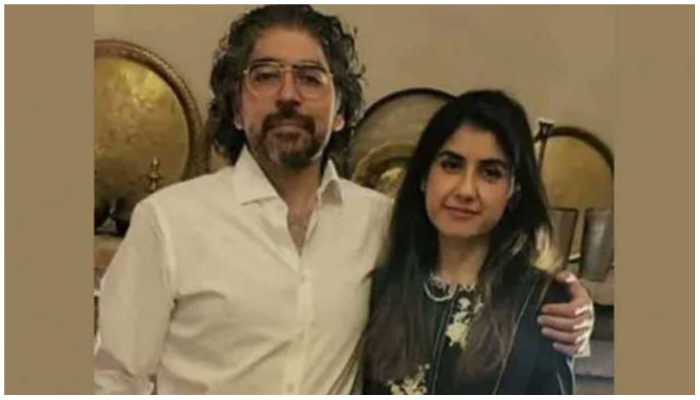
Image showing Shahnawaz Amir (L), who killed his wife Sarah Inam over a domestic dispute. — Twitter/File

Another such case was that of 28-year-old Samia Sarwar, whose murder was arranged by her family in 1999. She had been seeking a divorce from her violent husband, a decision her family did not support because it would have “dishonored” the family name.

She was shot dead in the offices of Hina Jilani, a well-respected Supreme Court lawyer and human rights activist. Sarwar had been there for a pre-arranged meeting with her mother to receive the divorce papers.

Another well-documented case is that of Mukhtaran Mai, who was gang-raped in June 2002 by four men in Meerwala village in southern Punjab’s Muzaffargarh district. Mai was raped on the orders of a village council as “punishment” for her younger brother’s alleged illegitimate relationship with a woman from a rival tribe.

A Real never hurts a Woman


Social media

Female education rates are gradually on the rise in Pakistan, with the rate of female secondary education rising from 28.6 percent in 2011 to 34.2 percent in 2021. There is now a new generation of young educated women who have the awareness and confidence to demand their rights.

Additionally, as technology and social media have become more accessible, news of cases has started to spread more widely and at a much greater speed.

One of the most prevalent forms of violence these days is digital violence or virtual abuse of women and girls. Digital violence includes online sexual harassment, cyberbullying and non-consensual use of images and video. Globally, 85 percent of women reported witnessing digital violence, and nearly 40% have experienced it personally. Hate and devaluation of women online cause long-term psychological, emotional, and physical distress.

Prevalent in all socioeconomic classes

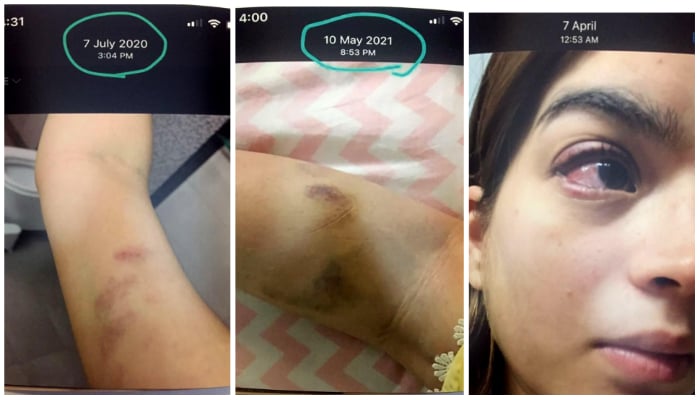
The statistics show that despite the presence of domestic violence laws in the country, women are still not safe. Such cases are also not confined to specific socioeconomic classes, as women belonging to all backgrounds have witnessed intimate-partner violence, which has even led to murder. A few examples include the Noor Mukadam and Sarah Inam murder cases, as well as the ongoing domestic abuse case of Syeda Aliza Sultan, who recently submitted evidence of domestic violence in a court against her ex-husband, renowned Pakistani actor Feroze Khan.

According to Aliza, over the last four years, Khan allegedly subjected her to physical violence several times while also torturing the couple’s son, Sultan. She also submitted her medico-legal reports and images before the court to prove that she was assaulted by him.                                                  

Understanding Domestic Violence:

For many women, recognizing domestic violence can be challenging, as it is not limited to physical abuse alone. The spectrum includes verbal, emotional, psychological, and economic abuse. The volatile mix of anger, control, and power dynamics plays a pivotal role in perpetuating abusive behavior within households.

Domestic violence extends beyond physical harm; it encapsulates any form of abuse, be it physical, emotional, psychological, or economic, directed at women within the familial setting. This includes not only partners but also other family members, perpetuating a cycle of abuse that can span generations.

Dont hurt me Photos - Download Free High-Quality Pictures | Freepik


In Pakistan, girls are brought up from a young age with a belief that it is better to remain quiet in an abusive marriage than to get a divorce from one’s intimate partner even if he is verbally or physically abusive. This cultural belief has incorporated itself from generations. Young girls grow up watching their aunts and mothers being treated unfairly and believe that ‘it is normal” for a husband to slap his wife and it is not uncommon if she is verbally abused on a daily basis.

In contemporary Pakistan, the rising trend of divorce underscores a societal shift where women,
particularly those educated, are refusing to tolerate domestic abuse. The main catalyst behind this surge in divorce rates is the prevalence of domestic violence.

Girls are brought up with the belief to find the right “one,” and settle down before she expires

But what if that right person turns out to be abusive? What is that one person, they’ve been waiting to spend their whole lives with, ends up physically and verbally abusing her? Everyone prepares a girl to be a good housewife. But no one teaches her to look out for herself.

No one teaches her to be her own saviors, her own soulmate. We are all so inclined towards helping her be marriage-worthy, but we forget to teach her the harsh reality. We teach girls to love, but we don’t teach them to stop. We don’t teach them to let go of the ones who cause them pain, we do not teach them to walk away from a toxic person, or a toxic relationship. We teach them to stay quiet, because that’s what good girls do, right?

We teach our daughters to focus all their youth and 20s energy on nurturing themselves into the perfect wife. But we never train them to be a leader. We never teach them to put their studies before learning how to cook. We never teach our daughters to love themselves, even if someone else doesn’t.

Root Causes:

The norms of authority and power dynamics within traditional gender roles are primary contributors to domestic violence. The deeply ingrained belief in the superiority of men over women and children
fosters an environment where abusive behavior is perpetuated. Economic stress, cultural norms, and a lack of awareness further fuel the cycle of violence.

Anger, left unbridled, also becomes a potent force behind domestic violence. Men, unable to control
their anger, subject women and children to humiliation, both privately and publicly. This toxic
expression of anger, coupled with traditional gender roles and power imbalances, creates an environment conducive to abuse.

Effects of Domestic Violence:
The effects of domestic violence are profound, impacting the physical and mental well-being of victims.
Beyond immediate physical harm, survivors often endure long-lasting trauma, leading to anxiety,
depression, and a pervasive sense of helplessness. Children witnessing such abuse can experience developmental issues and emotional distress. Physical and psychological health outcomes Domestic violence leads to increased risk towards certain health outcomes like major depression, dysthymia, conduct disorder, and drug abuse. Moreover, because women are primary caretakers in Pakistan, children also face increased risk for depression and behavioral problems.

Women in a poor state of mental health was also a high prevalence of mental health disorders with anxiety and depression being the most common. In particular, physical violence has long-term, negative psychological impacts on women with stigma against mental health serving as an impediment to treatment. At times, physical violence may cause permanent disfiguration of the body causing physical ailments that lead to a variety of psychological disorders like depression. Furthermore, women are often unable to receive treatment for psychological disorders as mental health within the cultural realm of Pakistan is not considered a health matter. Mental health illiteracy leads to treatment of mental health disorders superstitiously or not at all.

In contemporary Pakistan, the rising trend of divorce underscores a societal shift where women,
particularly those educated, are refusing to tolerate domestic abuse. The main catalyst behind this surge in divorce rates is the prevalence of domestic violence.

Why violence against women continues unabated despite presence of laws

Due to family pressure, abusive marriages, which could easily be ended within few months, linger on and women have to stay with their abusers for years.

Over the last few years, there has been a surge in the reported cases of domestic violence across Pakistan. Studies show that most marriages in our society are based on toxic relationships, often involving physical and emotional abuse. This, in particular, pertains to women in the country and even if they try to open up to their families about being abused, they are often sent back to their abusers in a bid to “save the household”.

Many a time, victims of domestic violence are told that “everything would be fine once a baby is born”. In hopes of making the situation better, women keep having children, but the cycle of domestic violence rarely stops.

As a result, a toxic, abusive marriage — which could easily be ended within a few months — lingers on and women have to stay with their abusers for years, only for the sake of their children. In doing so, not only is the victims’ life is ruined but children also suffer equally while being forced to live in an abusive household.

Preventing Domestic Violence:
Preventing domestic violence necessitates a multi-pronged approach. Shifting societal norms by challenging traditional gender roles is essential. Education and awareness campaigns can enlighten.

The time is right to act on this issue in Pakistan. Society, too, needs to step up for its women. Regardless of the introduction of pro-women laws that criminalize domestic abuse, the barriers to ensuring justice to the victims are too many. Merely introducing laws that lack proper implementation and establishing helplines do not mean that the state has fulfilled its responsibilities regarding women’s protection. The law also needs further improvements and clarity in its language. It is the responsibility of the state to give protection to its citizens in public and private spaces. There is no way the state could allow its citizens to be subjected to abuse just because it takes place in a personal setting. If we do not address violence against women and girls, sustainable growth will remain elusive.


Public health interventions for domestic violence can be given through three traditionally
characterized levels of prevention. Primary prevention in which certain steps are taken to prevent
violence before it occurs. This may include awareness programs both for women and other
people to prevent domestic violence. Secondary prevention which is focused more on
instantaneous response to violence, which also includes care before accessing to hospitals and
emergency room care depending on the type of violence. Nurses particularly can play the best
role in the initial assessment, and providing psychological support to patients to prevent them
from psychiatric disorders such as depression. The third type is Tertiary prevention which is
focused on long-term care of the victims, such as rehabilitation and reintegration, and measures
to decrease the chances of reoccurrence of any type of further abuse on women. Over all, there
are three types of preventive measures related to help victims in their serious situation when they
are subjected to domestic violence. Furthermore, interventions should be designed to work.

Page 25 | Women never give up Images - Free Download on Freepik


Conclusion
Domestic violence is prevalent in Pakistan at an alarming rate. Women are the sufferers and are subjected to physical, psychological and sexual abuse in their home by partners, in-laws and in some circumstances by their brothers and parents. The factors associated with domestic violence in Pakistan are low-economical status of women, lack of awareness about women rights, lack of education, falsified beliefs, imbalanced empowerment issues between males and females, male dominant social structure and lack of support from the government. Integrated supportive services, legal intervention and redress should be made available in situations of domestic violence. Support and help for women to rebuild and recover their lives after violence, should be a part of the intervention strategy, including counseling, relocation, credit support and
employment. In order to prevent women from domestic violence and provide them medical as
well as judicial and legal support, new plans and interventional maps should be made in the societies in collaboration with health team members, religious and societal leaders, NGOs, police department and people from other similar groups. This strategy implementation should be enforced.

Disclaimer:
While we hope you find this content useful, it is only intended to serve as a starting point. Your next step is to speak with a qualified, licensed professional who can provide advice tailored to your individual circumstances. Nothing in this article, nor in any associated resources, should be construed as financial or legal advice. Furthermore, while we have made good faith efforts to ensure that the information presented was correct as of the date the content was prepared, we are unable to guarantee that it remains accurate today. Neither Sada-e-Watan (Melody Media Productions) nor its sponsoring partners make any warranties or representations as to the accuracy, applicability, completeness, or suitability for any particular purpose of the information contained herein. Sada-e-Watan (Melody Media Productions) and its sponsoring partners expressly disclaim any liability arising from the use or misuse of these materials and, by visiting this site, you agree to release Sada-e-Watan (Melody Media Productions)  and its sponsoring partners from any such liability. Do not rely upon the information provided in this content when making decisions regarding financial or legal matters without first consulting with a qualified, licensed professional. 
By Irma Abbasi Master of Business Administration (MBA) Bachelor of Science (BS), Information Technology Video: BBC/YouTube Stop Domestic Violence خواتین پر گھریلو تشدد بند کرو महिलाओं पर घरेलू हिंसा बंद करें  The Harsh Realities of Domestic Violence in Pakistan Introduction: Definition of ‘Domestic Violence’ Domestic violence and emotional abuse are behaviors used by one person in a relationship to control the other. Domestic violence is a pattern of abusive behavior characterized by the intent to gain or maintain power and control over an intimate partner or other family members. The abuse can be established over time and in most cases, it begins subtly with insults, a shove or by alienating the survivor from family and friends. With time, the abusive behavior can be more frequent

Disclaimer:
Sada-E-Watan provides news and opinion articles as a service to our readers. These articles and news items come from sources outside of our organization. Where possible, the author and the source are documented within each article. Statements and opinions expressed in these articles are solely those of the author (reporter/newspaper) or authors (reporters/newspapers) and may or may not be shared by the staff and management of Sada-E-Watan. Sada-E-Watan was created to provide one convenient central location where a user can quickly scan headlines from many news sources. The headlines listed on Sada-E-Watan pages are links to stories on the sites where these stories are located. The goal of Sada-E-Watan is to help readers access stories on web sites that they would normally not have time to view on a regular basis and to add value to the news source sites by mentioning their name on top, so readers can view these sites..

The Sada-E-Watan takes no responsibility for any loss or damage suffered as a result of using the linked websites or as a result of using the information published on any of the pages of the linked websites.

Whilst every effort is made to ensure downloadable content is free from viruses, Sada-E-Watan cannot accept any liability for damages resulting from virus infection. You should take adequate steps to ensure your virus check regularly when using any device.

If you have any questions or comments about Sada-E-Watan, please contact us at: radio@sada-e-watan.com