

























By Dr. Fariha Khan
Internal Medicine
Spread Love Not Hate
نفرت نہیں، محبت پھیلاوٌ
नफरत नहीं प्यार फैलाओ
“Darkness cannot drive out darkness; only light can do that.
Hate cannot drive out hate; only love can do that.”
Returning hate for hate multiplies hate, adding deeper darkness to a night already devoid of stars. Darkness cannot drive out darkness; only light can do that. Hate cannot drive out hate; only love can do that. Hate multiplies hate, violence multiplies violence, and toughness multiplies toughness in a descending spiral of destruction.
“Bitterness imprisons life; love releases it. Bitterness paralyzes life; love empowers it. Bitterness sours life; love sweetens it. Bitterness sickens life; love heals it. Bitterness blinds life; love anoints its eyes.”
“Hatred paralyzes life; love releases it. Hatred confuses life; love harmonizes it. Hatred darkens life; love illuminates it.”
“Love is something that is cultivated between two people and grows over time, through getting to know him or her and experiencing life’s many ups and downs together. It involves commitment, time, mutual trust, and acceptance.”

What is love?
Love is an emotion that keeps people bonded and committed to one another. True love fosters a connection that goes beyond the superficial. It’s a bond that often involves understanding each other’s core values, beliefs, and life goals. This connection creates a sense of companionship, where both partners feel they’re on the same team, working towards common dreams.
Love is patient and kind; love does not envy or boast; it is not arrogant or rude. It does not insist on its own way; it is not irritable or resentful;[it does not rejoice at wrongdoing, but rejoices with the truth. Love bears all things, believes all things, hopes all things, endures all things.
Love is an emotion that keeps people bonded and committed to one another. True love fosters a connection that goes beyond the superficial. It’s a bond that often involves understanding each other’s core values, beliefs, and life goals. This connection creates a sense of companionship, where both partners feel they’re on the same team, working towards common dreams.

How to Love a Hateful Person
Understand Why Love is Important
Since hate is such a destructive, toxic force in society and relationships, responding to hate with love is a powerful way to break the cycle of harm and abuse that hatred can often bring with it. Loving actions often have a way of disarming people. Being treated lovingly by someone from whom they expected hate may surprise them. Maybe your actions will interrupt their plans for more harmful words or behavior. Maybe it will diffuse some of their aggression. Maybe it will help them think about the consequences of continuing to harm someone who has been kind to them for their own emotions, their conscience, or their reputation. Being loving instead of retaliating also frees you from starting or continuing a cycle of harm. When deciding to love, you are releasing yourself from the rage and bitterness that fuels retaliation and leaving room for healing and growth.
Benefits of love on health

Only Love can bring peace in the world
Love is a very sacred thing in the world and it is a blessing of God. Only this sacred thing can bring peace in the world. Love can overcome almost anything and we believe that the power of love can bring everyone together to save our beautiful planet earth. So many people want to make a difference in the world but don’t know how or where to start so we have made a foundation that will allow people to contribute to saving not only this generation but the generations to come. Believe in the Power of love, its time to make a change!
Only peace can save the world and only love can

Bridge the gap of communication breakdowns. We develop maturity and understanding as we confront our own off thinking. Then we must seek to grow in our ability to interface with those who may not think, act or look like we do. We are free to choose how we live, how we interact, but we are not free from the consequences of our choices. It takes a stronger person to interact calmly and reasonably than for the one who frequently goes on a rant while losing self-control.

Hate is a feeling of intense hostility and aversion usually deriving from fear, anger, or a sense of injury. It is extreme dislike or disgust. Hatred is an emotion. Extreme hatred can inspire violence. Hatred is a feeling everyone has felt and experienced at some point, especially after being betrayed or hurt physically or emotionally by someone. It is normal to have hateful feelings occasionally. However, feeling hatred over a long time and holding on to hate can be detrimental to the mind and body.

Hate can breed more negative emotions. It can affect personal and professional relationships. Hatred changes the chemistry in the brain. It stimulates the area in the brain responsible for planning and execution of motion. This part triggers aggression while feeling hateful to either defend or attack. This also creates “fight or flight” responses and increases the levels of two hormones: cortisol and adrenaline. These hormones can cause weight gain, insomnia, anxiety, depression, and chronic illness. Hatred also triggers the mind to try to predict what the person being hated may do as a defense mechanism. This leads to further anxiety, restlessness, obsessive thinking, and paranoia, which affects overall mental health.
Hatred negatively impacts the nervous system, immune system, and endocrine system. Extreme emotions trigger the release of stress hormones in the brain. Over time, these stress hormones lead to increased inflammation throughout the body, resulting in significant health consequences. The more intense an emotion becomes, the more physically demanding it is to contain it. Holding on to hate can be exhausting. It can cause involuntary clenching of the jaw, grinding the teeth, and tensing the muscles.

How to get rid of hatred
People often ignore their emotions of hate or justify and blame others for their hate. Unaddressed negative emotions build up and intensify over time, affecting the mind and body. The following tips can help get rid of hatred:
- Acknowledge that you feel hateful. Acknowledging this can begin to deal with this emotion and find a solution to the problem.
- Understand the root cause of hate. Hate usually stems from fear, insecurity, or mistrust.
- Do not compare yourself with others. Strive to be the best version of yourself instead.
- When you feel hate or anger, it is best to take a step back and avoid reacting in heat of the moment. It is difficult to make the right decisions when you are feeling hateful and angry.
- While feeling hate or anger, you may consider taking a break from the situation, going for a walk, mediation, playing with pets, or doing an activity you find enjoyable.
- Face the problem instead of ignoring the issue. Try to find a solution to the problem. You may consider talking to someone you trust, such as a close friend, family, or partner. You can also consider seeking the help of a therapist or counselor. They can assess you to understand your emotions and the origin of hate. Treatment generally involves counseling to help manage negative emotions and develop coping mechanisms. Medication may be prescribed if needed.
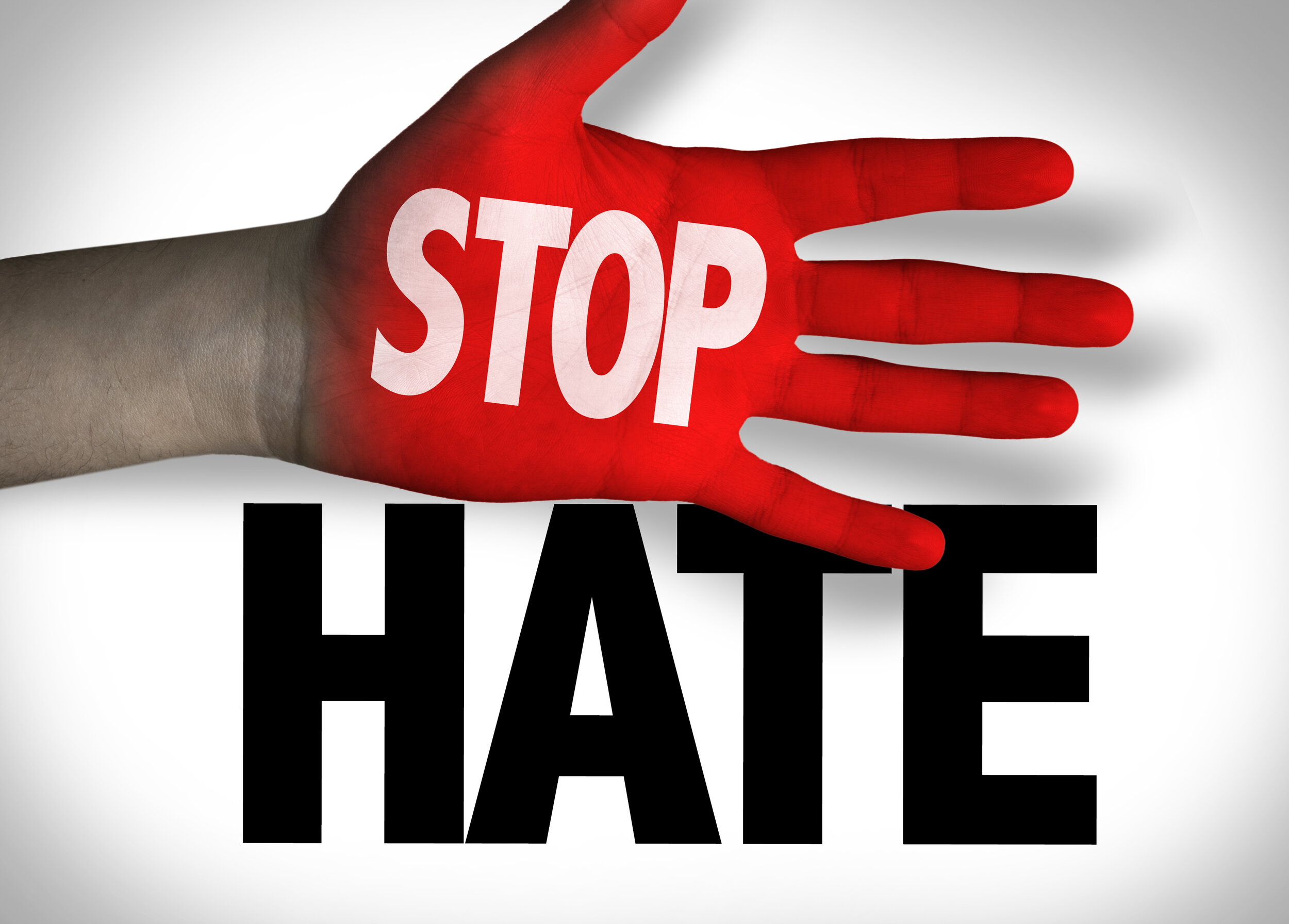
The Destructive Power of Hate
Poison isn’t always something you eat or drink – it can be an emotion. And hate is one of them, eating you up inside and causing destruction.
Hate is a mighty strong emotion. This mental venom can pollute your spirit, poison your soul and seep into all of the relationships that surround you. Anyone who has found themselves wrapped up in the arms of hate knows how damaging and mind-consuming it can become. Even the word carries power, particularly if it comes from a friend, a family member or a child.

While hate can be directed at almost anything – animals, foods, jobs, movies – the most destructive is hatred toward other people. Hate turned outward is both dangerous and ugly. It can motivate violent crime and damaging behaviors. At the heart of all hatred is blame, and this is particularly true for hatred turned outward. When one feels like they’ve been seriously wronged or victimized by someone, their discontent and anger carries with it the potential seeds of hatred. Someone said, “Holding on to anger is like grasping a hot coal with the intent of throwing it at someone else; you are the one who gets burned.”