


















By Wajeeha Faheem
Doctor of Pharmacy
(Pharm.D.)
Video: YouTube/CNN
The Hidden Danger:
Fake and Substandard Medicines in Pakistan
:پوشیدہ خطرہ
پاکستان میں جعلی اور غیرمعیاری ادویات
छिपा ख़तरा:
पाकिस्तान में नकली और घटिया दवाइयाँ
Imagine going with a prescription for an antibiotic or heart medicine to a pharmacy and what’s inside the pill literally decides your fate. Now imagine that inside is nothing useful, or worse: something harmful. This is not a bleak fiction, but a reality many Pakistanis face.
What do “counterfeit” and “substandard” really mean?
Before we go further, let’s clarify some terms:
In simple words: a counterfeit (or falsified) medicine is one that’s deliberately mislabeled, it may claim to be a trusted brand but have the wrong ingredient, the wrong dose, or none of the active ingredient at all. While, a substandard medicine is produced or stored so poorly that it fails to meet quality standards, even though it may come from a legitimate manufacturer. In some contexts, they are grouped under CSSA — counterfeit, substandard, spurious, and adulterated.
Because the law definitions are varied and enforcement weak, blurred lines exist and that helps the bad actors.
The Scale of the Problem in Pakistan
How bad is it? The numbers are jarring.
In 2004, the World Health Organization estimated that 40–50% of drugs consumed in Pakistan could be counterfeit or substandard, a figure that alarmed health officials and the public. Government lab testing data show a complicated picture. Public-sector drug testing results reported very low percentages of samples declared “spurious” (for example, 0.22% in 2016 falling to 0.06% in 2019), but experts warn this is likely an underestimation because sampling was not risk-based and surveillance is weak.
In more recent qualitative studies of drug law experts, the presence of CSSA drugs in Pakistani markets was not just confirmed and they called it a serious public health threat. In 2025, one study found that the complex supply chain and involvement of unauthorized middlemen allow spurious drugs to mix with genuine ones, making detection harder.
The most alarming part of this whole situation is that the problem is not evenly distributed. Rural areas, informal markets, and places with weak oversight are especially vulnerable but it is not only limited to these places.
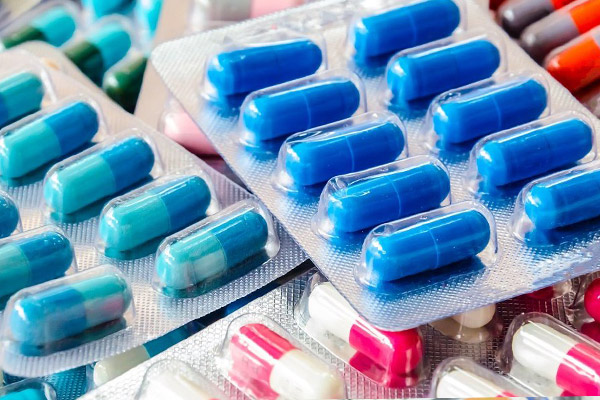 The Dangers :
Many of these products don’t work at best, or at worst, they can kill you
Real Tragedy: The 2012 Lahore Crisis
Numbers tell a story, but sometimes events drive the urgency home.
In 2011–2012, at the Punjab Institute of Cardiology (PIC) in Lahore, more than 100 patients tragically died after consuming heart medicine that turned out to be contaminated. A batch of Isosorbide mononitrate tablets had been adulterated with the anti-parasitic drug pyrimethamine.
An investigation traced the fake tablets back to Efroze Chemicals in Karachi. The factory was sealed, and its owners placed on Pakistan’s Exit Control List.
That crisis exposed how lethal fake or contaminated medicines can be and how fragile the systems meant to stop them are. This was a turning point yet the systemic issues that enabled it remain.
Why Is It So Difficult to Stop?
The issue involves a network of vulnerabilities rather than a single shortcoming:
1. A tangled and long supply chain
Medicines should legitimately go from manufacturer→ authorized distributor → licensed pharmacy → patient. In Pakistan, however, drugs often travel through many extra hands (unauthorized wholesalers, repackagers, informal traders) that too without proper documentation and every extra link raises the risk of counterfeit or degraded products getting mixed in.
2. Inadequate regulatory monitoring and implementation
Drug inspectors sometimes lack training, resources, or the authority to conduct in depth investigations. Laboratories that test drugs may have flawed reporting practices, or conflicting interests. Defects in lab reports can lead to cases collapsing in court. Moreover, the law is poorly interpreted in some instances. For instance, the prosecution of rogue distributors was weakened in one Lahore High Court case due to a misinterpretation of the term’s “warranty” and “pedigree. Another significant obstacle is corruption in regulatory bodies, where there have been allegations of officials taking bribes or turning a blind eye.
3. Gaps in pharmacy practice
A 2005 survey in Rawalpindi found that only 19.3% of pharmacies met licensing requirements. Only 22% had a qualified pharmacist present and often storage or dispensing practices (no temperature control, OTC sale of prescription drugs) increase the chance that medicines become ineffective or get replaced by fakes.
Also, many pharmacy attendants dispense prescription drugs without a prescription, often due to weak enforcement and consumer demand.
4. Low public awareness and trust
Many patients assume the medicines they buy are safe and effective, and have limited ability to tell the difference. Studies in several cities of Pakistan show that people often lack knowledge about safety, adverse drug reactions, or even correct labelling.
When price differences among “the same” generic medicines emerge, suspicion grows but most people lack a clear benchmark and low price often wins. Consumers may not recognize fake packaging or adulterated pills and therefore don’t report them.
5. Legal and institutional gaps
Pakistan’s Drugs Act (1976) is outdated, and sometimes regulators fail to interpret it to address modern threats. Until DRAP (Drug Regulatory Authority of Pakistan) was established in 2012, regulatory authority was fragmented. Even now, DRAP’s enforcement mechanisms are often under-resourced.
The Hidden Cost of Fake Drugs
This problem is not academic. It affects lives. Some of the key dangers:
· Therapeutic failure: Patients take medicines that don’t work. An infection treated with a fake antibiotic can worsen. A cardiac drug that doesn’t deliver can lead to heart failure.
· Adverse reactions: Inappropriate dosages, toxic ingredients, or harmful excipients may be present in counterfeits.
· Resistance: Microbial resistance is accelerated by subtherapeutic doses, particularly with antibiotics.
· Loss of trust: People become less confident in medical professionals, medications, and the healthcare system.
· Deaths: Fake medications can cause fatalities, as demonstrated in the PIC Lahore case.
What Has Been Done and What Still Needs to Happen
There have been efforts, but gaps remain.
Pakistan established the Drug Regulatory Authority of Pakistan (DRAP) in 2012 to centralize control, but resources and enforcement are still uneven despite the seizures and prosecutions. For instance, a significant amount of counterfeit aspirin and cefixime suspensions was found in Karachi. To ensure that each packet can be tracked back to its origin, experts advise implementing serialization/track-and-trace systems, improving laboratory procedures, and stepping up surveillance. NGOs and start-ups (e.g., MEDZnMORE) are trying to create more transparent supply chains and deliver genuine medicines directly from manufacturers to consumers.
What still needs to happen:
1. Stronger legal and regulatory changes Update laws to clearly define counterfeit, substandard, falsified drugs. Assign resources and authority to regulators so they can enforce.
2. Building capacity Train drug inspectors, law enforcement, lab technicians, and judicial officers so they can properly detect and prosecute cases.
3. Secure supply chains Reduce tampering by implementing serialization, barcodes, and anti-tampering seals, particularly for life-saving medications.
4. Improved regulations for pharmacies Ensure every pharmacy meets standards (qualified staff, proper storage, record-keeping). Enforce prescriptions.
5. Public awareness and vigilance Educate patients to check seals, batch numbers, dates. Encourage reporting of suspected fake drugs.
6. Transparency and monitoring To find systemic leakage, use technology, e-reporting, smartphone apps, and audits.

What You Can Do as a Patient or Citizen
· Buy medicines from licensed pharmacies, especially those with a registered pharmacist present.
· Check packaging: look for security seals, holograms, clear batch number, expiration dates, spelling mistakes.
· Be alert to unusually low prices. If a life-saving drug is extremely cheap, ask why.
· Report suspected drugs to regulatory bodies (DRAP, provincial drug inspectorates).
· Ask your doctor or pharmacist about the authenticity of your drug, especially for critical medications.
Pakistan’s bustling markets are filled with kiosk after kiosk selling pills, capsules, tablets, and syrups of all types, for every type of ailment. It’s almost impossible to tell which ones are genuine, and which are potentially deadly fakes.
Final Thoughts
In Pakistan, the spread of fake and substandard medications poses a silent alarm. It doesn’t always make the news, in contrast to other emergencies, until people die tragically or therapy fail to succeed. However, the moment to take action is now, the risk is real, and the consequences are deadly.
We can progressively stop this threat with improved enforcement, legal reforms, political will, and public awareness. The trust we place in a simple pill must one day be justified—not just by hope, but by safety and accountability.
Sada-E-Watan provides news and opinion articles as a service to our readers. These articles and news items come from sources outside of our organization. Where possible, the author and the source are documented within each article. Statements and opinions expressed in these articles are solely those of the author (reporter/newspaper) or authors (reporters/newspapers) and may or may not be shared by the staff and management of Sada-E-Watan. Sada-E-Watan was created to provide one convenient central location where a user can quickly scan headlines from many news sources. The headlines listed on Sada-E-Watan pages are links to stories on the sites where these stories are located. The goal of Sada-E-Watan is to help readers access stories on web sites that they would normally not have time to view on a regular basis and to add value to the news source sites by mentioning their name on top, so readers can view these sites.
Whilst every effort is made to ensure downloadable content is free from viruses, Sada-E-Watan cannot accept any liability for damages resulting from virus infection. You should take adequate steps to ensure your virus check regularly when using any device. If you have any questions or comments about Sada-E-Watan, please contact us at: radio@sada-e-watan.com.