













By Shagufta Mobeen
Educationist
M.Sc. in Zoology+B.Ed.
Verbal Abuse Is Just as Harmful as Physical Abuse.
Uncovering The Cycle of Emotional Abuse of Women in Pakistani Society.
زبانی بدسلوکی اتنی ہی نقصان دہ ہے جتنی کہ جسمانی زیادتی۔
پاکستانی معاشرے میں خواتین کے ساتھ مُسلسل جذباتی زیادتی کا پردہ فاش کرنا۔
मौखिक दुर्व्यवहार भी शारीरिक दुर्व्यवहार जितना ही हानिकारक है।
पाकिस्तानी समाज में महिलाओं के भावनात्मक दुर्व्यवहार के चक्र का खुलासा।
“If we are to fight discrimination and injustice against women we must start from the home for if a woman cannot be safe in her own house then she cannot be expected to feel safe anywhere.”
“It was much easier to explain the veil than to answer questions about the wounds.”
“You can break a body, but you can never break a spirit that chooses to rise despite the hurt.”
“We cannot change the way society views women until we address the mixed messages we send about their value”
“When a girl is forced to endure such a violation, she learns to question everything about herself, her worth, her value, and her power.”
“My journey taught me that the most powerful tool in overcoming trauma is the will to speak, the courage to be heard”
 “He doesn’t have to hit you for it to be abuse. He can degrade,
humiliate, blame, curse, manipulate or try to control you. It’s still domestic violence.”
Why Some Men Use Verbal Abuse
Some men want to appear dominant within relationships and family settings, and these men want to lose the confidence of women, making her entirely dependent on them for her sense of truth and sanity. That’s how wicked men live in anger. A lack of emotional awareness and poor communication skills can further lead to verbal violence and disrespect. In many cultures, harsh language is mistakenly
associated with masculinity, causing emotional abuse are widely practiced in homes and relationships. Actually, men want a harmful level of control over women. Usually, when men reject women, they may use disrespectful language, which can deeply hurt a woman.
Verbal and emotional abuse inflict profound psychological harm that equals or exceeds physical violence. In Pakistani society, emotional abuse frequently forms a toxic, invisible cycle sustained by cultural, economic, and patriarchal pressures. Understanding how this dynamic operates is critical for breaking the silence and supporting survivors.
In Pakistan, men are generally considered superior, and women are treated like chattels who are expected to be dutiful to husbands and children, particularly as they lack economic security. The husband was the perpetrator the most often. Abuse was categorized as “verbal” when there was use of bad or abusive language, a loud tone, bullying, threatening (oral threats, intimidating behavior, gestures, or throwing or smashing things).
 If we would treat each other with common courtesy,
we could make this world a much better place.
Perpetrators
The husband was the commonest perpetrator of violence (88%), often in combination with other members of his family. 58% of the cases were only with the husband. The second most common abuser among the other perpetrators was the mother-in-law (15%) working together with her daughter(s) or other son(s). Mothers-in-law incited or sparked violence against the victim by complaining to
the husband.
The Hidden Emotional Pain of Women
In many cases women suffer from severe emotional abuse in their own homes for years. They are constantly subjected to taunts, criticism, emotional blackmail, character assassination, humiliation and blame from their husbands and in-laws. Even after marriage, some women are pressurized to bring expensive gifts, money or other items from their parents’ home.
“If they do not meet these expectations, they are insulted, tortured emotionally and
treated unfairly.”
Some women are falsely accused, constantly blamed for household problems and mentally harassed, even though they try to keep peace in the family. The constant teasing, emotional abuse and mental cruelty slowly eat away at their confidence and emotional well-being, leaving them emotionally drained and broken. Physical violence was experienced by women, usually in combination with verbal and/or psychological abuse. Mild forms were slapping, pulling hair, pushing or shoving, grabbing, hitting with an object and twisting the arms, while severe forms were kicking, punching, suffocating, intentional burns, hitting that resulted in fracture or injury to a vital organ. Physical injury in pregnancy was also reported.
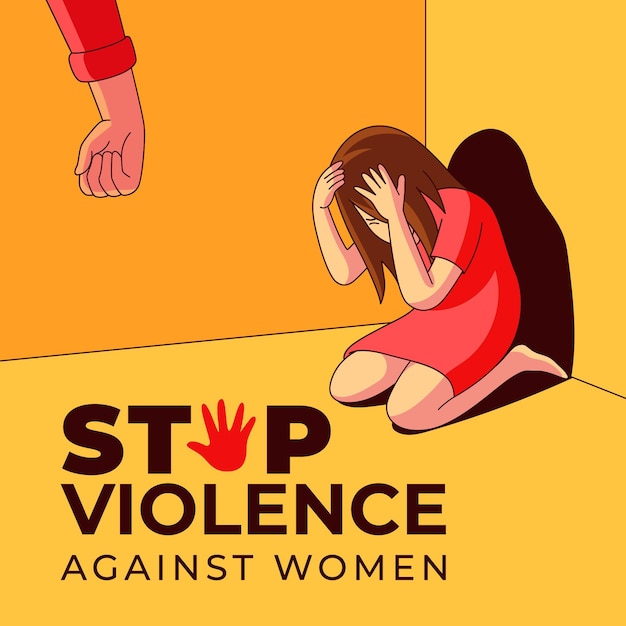 “Verbal abuse is still abuse. It’s abuse in the form of words.
Don’t assume that a few hurtful words won’t cost them their life. Words hurt.”
Real Cases of Domestic Violence in Pakistan
There are many cases in Pakistan in which females try to be suicidal and try to kill themselves due to their husbands who don’t care for their women.
The Case of Police Officer Mary Rose in Rahim Yar Khan
In RAHIMYAR KHAN: A young police officer committed suicide here reportedly due to domestic issues due to apparent problems with her husband. The last few chilling words written by the sub-inspector to her mother before she committed suicide were:
“Please pray my soul is taken away peacefully. Marry my daughters to someone
who can take responsibility.”
Mary Rose, a mother of two, is said to have taken the extreme step because of
some domestic problems with her husband.
The Noor Mukadam Murder Case in Islamabad
IN ISLAMABAD: In 2021 a brutal murder happened in Islamabad. She was brutally killed by a man, Zahir Jaffer. This was an horrific incident. She was actually beheaded. When anyone listens, they feel goosebumps on their body.
The Sania Zahra Case in Multan
In Multan: In 2024 a very beautiful girl was murdered by her husband. She is the mother of two sons. Her father accused her of being a victim of domestic violence, mental stress and continuous emotional abuse. Sania Zahra gave birth to a son, but after some time her husband allegedly started physically and emotionally abusing her and pressuring her to bring property and financial support from her parents, her father said. After constant abuse, Sania returned to her parents’ house and even filed for divorce in court. But she returned to her husband’s house for the sake of her child after consulting both families.
Her father also said the abuse and violence continued after she returned. On July 9, police informed the family that Sania’s body was discovered in her bedroom at her in-laws’ house in Multan. The family said when her mother and relatives arrived at the scene, they allegedly saw signs of physical violence on her face and body. Cases like Sania Zahra in Pakistan also show emotional abuse, humiliation, constant pressure and toxic family environments can take on women’s mental and emotional health.
 “It is not the bruises on the body that hurt.
It is the wounds of the heart and the scars on the mind.”
Statistics and Research on Domestic Violence in Pakistan
Studies in Pakistan have shown that emotional abuse is very common among married women. A study done in Pakistan found verbal violence as a significant public health problem, with 100% of the male respondents admitting to verbal abuse of their wives.
All Women reported as
Verbal Abuse 100%
Psychological abuse: 58%
Physical Violence 76%
Sexual Abuse: 12%
Overall, 39% of women experienced some form of economic control. This included withholding money from the victim or refusal to meet household expenses, control of the woman’s wages or assets and theft of valuable assets such as personal jewelry, land, etc. Economic abuse always occurred in conjunction
with other forms of violence.
According to UNFPA Pakistan, almost 34% of ever-married women in Pakistan suffered from physical, sexual or emotional violence at the hands of their spouses. Social pressure, fear of judgement, financial dependence, or concern for children are reasons why many victims do not report this abuse.
Pakistan is trailing most developing countries in women’s health and gender equity. The sex ratio is one of the most unbalanced in the world in favor of men, due to excess female mortality in childhood and during childbearing. Serious constraints on women’s use of the limited services available include limited mobility, decision-making power, income, and prohibitions on seeking care from male providers.
Women’s Reactions and Survival Strategies
Women’s reaction to abuse
Most of them (90%), at first, were silent.
58% responded, either by answering back or
56% spoke to someone.
28% moved back in with their parents.
26% took some legal action for separation/divorce.
17% said they went to visit a friend or relative just to get out of the home environment and tension.
Economic Dependence and Social Vulnerability of Women
Women took active steps to reduce the situation that led to abuse:
“I don’t ask for money anymore.”
“I have found a job.”
“I keep quiet now till he has cooled down and express my views later.”
More likely to accept the situation and continue to live with the husband rather than return to their parental home were individuals who had a poor family support system (parents dead or very poor).
In Pakistan women are dependent on men socially, culturally and economically. Based on this concept, the male member is the dominant member in the society, and the female members are expected to be docile. Men can exploit women’s vulnerabilities.
Why Emotional Abuse Should Not Be Considered a Private Matter
Domestic violence should not be regarded as a private matter either. It is a social problem, and its solution will require public policy, including appropriate legislation and protection of women’s rights. Isolation and protection of women’s rights.
The “cycle of violence” is a model that describes a pattern of predictable repeated domestic violence.
Abuse rarely begins with a physical strike. It commonly takes the form of:
- Controlling Behaviors: Monitoring social interactions, restricting mobility, and limiting financial autonomy.
- Public and Private Humiliation: Slander, defamation, and consistent shouting in front of family members or in-laws.
- Threats: Intimidation regarding divorce, snatching children, or inflicting further harm to maintain dominance.
The cycle persists in Pakistan due to severe social stigma and a patriarchal framework that often normalizes or enables the abuser:
- Stigma of Divorce: The immense societal pressure to “keep the family together” is disproportionately placed on women.
- Financial Vulnerability: With a large percentage of women discouraged or forbidden from working, financial dependency traps them in abusive environments.
- Community Pressure: The fear of bringing shame to the natal home forces many women to hide or endure the abuse in silence.
Treat others how you want to be treated
The Unseen Effects of Verbal Abuse on Women
Verbal abuse of women includes behaviors intended to control, intimidate, shame, or emotionally harm women. This may include shouting, insulting, blaming, mocking, threatening, manipulation, public humiliation, and constant criticism. So, Women lost sense of happiness and emotional stability. Such emotional attack broken them from inside, even there are no visible physical injuries. Society often fails to recognize emotional abuse as serious harm; many women are expected to remain silent and tolerate such behavior. Women who are facing that Verbal abuse are believe that their existence is meaningless and they are not well meaning of anything Due to anxiety for their children, many women continue to tolerate abusive language and emotional mistreatment. In many societies, women are repeatedly advised to remain patient and silent, as if suffering quietly is a natural expectation placed upon them.
Emotional and Psychological Consequences
Women who are criticized by their men often face stress. With the passage of time, she may lose emotional warmth to express affection even within their families. Such women may feel insecure, mentally disturb, and unsafe about her future. She often lives in a constant state of anxiety, stress. Over time, she may begin to feel isolated, helpless, and emotionally trapped, even when no physical violence is involved. Affected mental health of women leading to depression, fear, chronic stress, and emotional fatigue. Long-term mentally stress also disturb hormonal balance and leads to health issues such as high blood pressure, diabetes, high cholesterol, Headache and sleep disorders. Emotional pain or stress does not remain limited to the mind it can gradually weaken the body as well.
 Zero tolerance for disrespect towards women
Effects on Behavior and Lifestyle
Over time, victims of verbal abuse may lose interest in activities they once enjoyed. Facial expressions of women begin to diminish, reflecting fatigue and tiredness. Women’s motivation for self-care, hobbies, and personal well-being gradually decreases. Such women stop focusing on their appearance or personal growth and slowly lose the sense of joy and purpose in life.
Mental Health (Trauma & PTSD)
Verbal abuse can lead towards post-traumatic stress disorder, in which you hear the voice of verbal abuse or any critical words when no one is actually speaking. This is also called auditory verbal hallucination (AVH) and schizophrenia disease. Repeated verbal abuse can make individuals feel worthless, unwanted, and emotionally unsafe. Respectful communication, empathy, and emotional understanding are necessary for health. Without these, women feel mentally disturbed, and disturbance can lead towards suicide too. In short, verbal abuse is as harmful as physical abuse.

Conclusion
Verbal abuse is as punishable as physical violence. We should encourage kindness, respect and healthy communication. When we speak Openly about mental health, we can break shame that surrounds verbal abuse and build resilience. Awareness of the side-effects of emotional abuse is essential in our society. Constant criticism and human humiliation disturbed mentally peace and increases different psychological issues which is difficult to heal.
The situation is aggravated by poverty, ignorance, economic dependence and tradition. Pakistan’s national plan of action explicitly recommends “… measures to deter and address incidence of domestic and sexual violence”
Verbal and emotional abuse are not little family problems that can be swept under the rug or hidden behind the walls of a home. Just like the physical violence, the emotional abuse destroys a person’s confidence, peace of mind, emotional stability and sense of self-worth. Women are often expected to sacrifice their own happiness, to be patient and to endure disrespect in order to “save” relationships
and protect family honor. But silence and tolerance of abuse only reinforce the sick family.
Disclaimer:
Sada-E-Watan provides news and opinion articles as a service to our readers. These articles and news items come from sources outside of our organization. Where possible, the author and the source are documented within each article. Statements and opinions expressed in these articles are solely those of the author (reporter/newspaper) or authors (reporters/newspapers) and may or may not be shared by the staff and management of Sada-E-Watan. Sada-E-Watan was created to provide one convenient central location where a user can quickly scan headlines from many news sources. The headlines listed on Sada-E-Watan pages are links to stories on the sites where these stories are located. The goal of Sada-E-Watan is to help readers access stories on web sites that they would normally not have time to view on a regular basis and to add value to the news source sites by mentioning their name on top, so readers can view these sites.
The Sada-E-Watan takes no responsibility for any loss or damage suffered as a result of using the linked websites or as a result of using the information published on any of the pages of the linked websites.
Whilst every effort is made to ensure downloadable content is free from viruses, Sada-E-Watan cannot accept any liability for damages resulting from virus infection. You should take adequate steps to ensure your virus check regularly when using any device. If you have any questions or comments about Sada-E-Watan, please contact us at: radio@sada-e-watan.com.