















USA

USA

INDIA

India

BANGLADESH

BANGLADESH

NEPAL

Nepal

FIJI

FIJI

PAKISTAN

Pakistan

Melody Media Productions

Excellence in Broadcasting!

Pervez Saleem

(Producer/Director)

NEWLY ADDED Health Tips
The Power of Home Remedies Unearted: Top 4 Ultimate Potent Healing Solutions

Courtesy: Geo News

Unleash the natural healing power of four effective home remedies that have passed the test of time

There are several home remedies that serve as potent healing solutions, and many have been considered treasure troves, across the ages.

Check out some of them below:

1. Ginger and Honey

The Power of Home Remedies Unearted: Top 4 Ultimate Potent Healing Solutions

Be it morning sickness or nausea this potent concoction is well known for being an anti-inflammatory and the combination of honey and ginger, is a powerhouse in that regard.

It helps those dealing with common flu and colds and just dropping a squeeze of lemon into the mixture of ginger, honey, and warm water can turn into a traditional medicinal tea.

2. Turmeric

The Power of Home Remedies Unearted: Top 4 Ultimate Potent Healing Solutions

Turmeric in particular is a common household ingredient famous for soothing inflammation and alleviating pain.

3. Peppermint
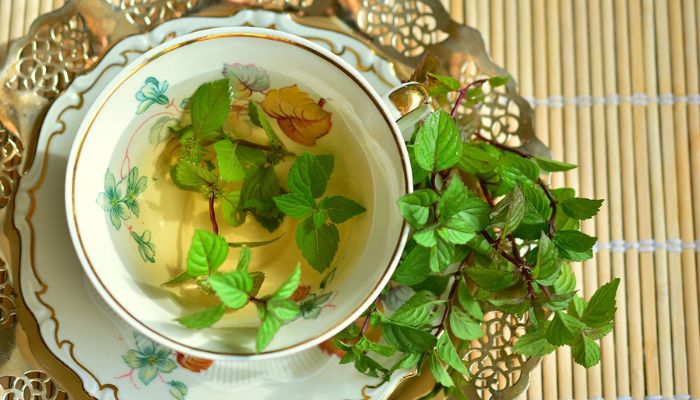
The Power of Home Remedies Unearted: Top 4 Ultimate Potent Healing Solutions

Peppermint is a natural aid for digestion-related issues, and when applied topically, can provide a cooling sensation, for allergies and aches, as well as pains.

It also works as a natural alternative for alleviating headaches, joint pains as well as muscle aches.

In the form of a natural balm, it can be used to provide relief to people suffering from bowel syndrome.

4. Chilli Pepper

The Power of Home Remedies Unearted: Top 4 Ultimate Potent Healing Solutions

Chilli peppers are known for being rich in vitamins and minerals, so much so that many consider them therapeutic. Whether that be for culinary purposes or as a preventative medicine.

Some also suggest that it can be used to fight off cancer, as well as rheumatism or stiff joints, bronchitis, chest colds, headaches, arthritis, heart arrhythmias, and many other ailments.

1- Header image: The Miraculous Power of Home Remedies: 4 Potent Healing Solutions
Courtesy: Geo News Unleash the natural healing power of four effective home remedies that have passed the test of time There are several home remedies that serve as potent healing solutions, and many have been considered treasure troves, across the ages. Check out some of them below: 1. Ginger and Honey Be it morning sickness or nausea this potent concoction is well known for being an anti-inflammatory and the combination of honey and ginger, is a powerhouse in that regard. It helps those dealing with common flu and colds and just dropping a squeeze of lemon into the mixture of ginger, honey, and warm water can turn into a traditional medicinal tea. 2. Turmeric Turmeric in particular is a common household ingredient famous for
Risk factors, prevention, signs & symptoms of stroke in women

Courtesy: Geo News

Women are more prone to getting a stroke due to higher life expectancy than men

A woman is expected to nurture many roles in her life like a housewife, a career woman, a mother and so on which is why a female needs to keep an eye out for any signs of trouble. Why? Because women are more prone to health risks compared to men due to their longer life expectancy.

Out of all the illnesses, the symptoms of a stroke can be as simple and bothersome as a migraine.

What’s a stroke?

Also known as a “brain attack,” a stroke occurs when blood flow stops in an area of the brain, resulting in less oxygen supply being diverted. This can also be fatal.

According to riversideonline.com, women suffer 55,000 more strokes annually than men and is the third leading cause of death as per the National Center for Health Statistics.

Pregnancy, a longer life expectancy, and hormonal medication all play a role in raising women’s stroke risk.

What causes a Stroke & Risk Factors:

1. Age: 

As women live longer than men, the risk of stroke increases with age.

2. Atrial fibrillation: 

Simply known as irregular heartbeat, blood can pool inside the heart instead of getting pumped out which causes a clot, consequently causing a stroke.

3. High blood pressure: 

It is the leading cause of stroke as one in three women have stage 2 high blood pressure (greater than or equal to 140/90 mmHg).

4. Pregnancy:

High blood pressure during pregnancy can easily cause a stroke.

5. Hormonal medications:

Women tend to take hormone replacement therapy in women during menopause and this slightly increases their stroke risk because it can cause blood clots and increase blood pressure.

Symptoms of a stoke:

1. Confusion in speaking.

2. Sudden weakness & dizziness.

3. Trouble seeing from one or both eyes.

4. Loss of balance

5. Severe headaches with no known cause

What does a stroke feel like?

“FAST” test is the easiest and quickest way to determine if someone is having a stroke or not:

F (Face): Ask the person to smile – if one side of their face droops, they’re having a stroke

A (Arms): Ask the person to raise both arms. Is one arm drifting downward?

S (Speech): Ask the person to repeat a simple sentence as slurred speech is a sign of stroke.

T (Time): If you observe any of these signs, call an ambulance right away for early treatment.

How to Prevent a Stroke:

Here are a few prevention tips to incorporate in your daily life:

1. Maintain your diet/eat healthy

2. Become physically active and try exercising regularly

3. Quit smoking

4. Avoid getting obese and overweight which also includes focusing on your cholesterol and blood pressure levels.

1- Header image: Stroke in women: Risk factors & prevention
Courtesy: Geo News Women are more prone to getting a stroke due to higher life expectancy than men A woman is expected to nurture many roles in her life like a housewife, a career woman, a mother and so on which is why a female needs to keep an eye out for any signs of trouble. Why? Because women are more prone to health risks compared to men due to their longer life expectancy. Out of all the illnesses, the symptoms of a stroke can be as simple and bothersome as a migraine. What’s a stroke? Also known as a “brain attack,” a stroke occurs when blood flow stops in an area of the brain, resulting in less oxygen supply being diverted. This can
Music Therapy: Here’s your guide to peace of mind, clarity of thoughts, and faster recovery

Courtesy: Geo News

Music therapy stands out for its exceptional ability to reduce stress and manage anxiety

In a world where the relentless pace of life takes its toll on both mental and physical well-being, the spotlight is turning towards music therapy as a potent avenue for healing.

This practice harnesses the universal language of melodies to promote overall well-being and serve as a powerful antidote to the stresses of modern life.

Stress reduction and anxiety management

Music therapy stands out for its exceptional ability to reduce stress and manage anxiety, offering a unique pathway to tranquillity. Engaging with calming melodies triggers the release of endorphins, the body’s natural mood enhancers, inducing a sense of calm and relaxation. Whether through classical compositions, ambient tunes, or personally meaningful songs, the right music becomes a therapeutic balm for the challenges of daily life.

Emotional expression and communication

Beyond words, music serves as a universal language, providing a non-verbal outlet for emotional expression and communication. For those grappling with difficulties in conveying emotions, music therapy empowers individuals to articulate their feelings through instruments, vocals, or movement, fostering a unique form of therapeutic communication.

Enhanced cognitive function

Research indicates that engaging with music stimulates diverse brain regions, leading to enhanced cognitive function. The manifold cognitive benefits, including improved memory recall, heightened attention and enhanced problem-solving skills, position music therapy as a valuable tool for individuals dealing with neurodegenerative conditions or those seeking cognitive enhancement.

Pain management and physical rehabilitation

Proving its effectiveness, music therapy has emerged as a tool for pain management and physical rehabilitation. The rhythmic elements of music synchronise with bodily movements, facilitating coordination and motor skills. This not only aids in physical rehabilitation but also serves as a distraction from pain, offering a holistic approach to healing.

Improved sleep quality

Struggling with sleep-related challenges? Music therapy emerges as a key to unlocking restful nights. By promoting relaxation and reducing stress, soothing melodies create an environment conducive to quality sleep. Incorporating music therapy into bedtime routines presents a natural and enjoyable approach to addressing insomnia or irregular sleep patterns.

In conclusion, the therapeutic benefits of music are diverse, offering a harmonious path to holistic well-being. Whether seeking stress relief, emotional expression, cognitive enhancement, pain management, or improved sleep, music therapy provides a transformative journey towards a healthier and more harmonious life.

The healing power of music invites individuals to embrace its potential, guiding them through the challenges of the modern world.

1- Header image: Harmony for healing: Exploring multifaceted benefits of music therapy.—NYPost
Courtesy: Geo News Music therapy stands out for its exceptional ability to reduce stress and manage anxiety In a world where the relentless pace of life takes its toll on both mental and physical well-being, the spotlight is turning towards music therapy as a potent avenue for healing. This practice harnesses the universal language of melodies to promote overall well-being and serve as a powerful antidote to the stresses of modern life. Stress reduction and anxiety management Music therapy stands out for its exceptional ability to reduce stress and manage anxiety, offering a unique pathway to tranquillity. Engaging with calming melodies triggers the release of endorphins, the body’s natural mood enhancers, inducing a sense of calm and relaxation. Whether through classical compositions, ambient tunes,
Why does hair turn grey? Journey of hair aging and potential solutions

Courtesy: Geo News

Historically, stress has been linked to premature greying, a connection now supported by research.

The enigma of why our hair turns grey has fascinated humanity for centuries, leading to various cultural beliefs and myths.

As science progresses, our understanding of this natural process expands, bringing us closer to potential solutions.

The colour of our hair is intricately tied to the pigment melanin, produced by melanocytes within hair follicles. Eumelanin and Pheomelanin dictate the diverse palette of hair colours.

Why does hair grey?

Historically, stress has been linked to premature greying, a connection now supported by research revealing the impact of stress on melanocytic stem cells.

During stress, the release of norepinephrine and increased oxidative stress can damage these cells, influencing the hair’s colour. While ageing remains inevitable, certain factors like vitamin deficiencies and medical conditions can accelerate greying.

How to stop greying?

Hair dyeing is a common method to conceal greying, albeit temporarily. Nutritional deficiencies, especially in vitamins D, B12, and E, coupled with minerals like iron and copper, may contribute to oxidative stress and expedite greying.

Lifestyle choices, including avoiding smoking and embracing stress-alleviating activities like exercise or meditation, are recommended for maintaining hair health.

Various products claim to slow greying, but their efficacy lacks rigorous scientific validation. Natural therapies proposing antioxidant-rich diets and essential oils remain uncertain in their impact.

1- Header image: Why does hair turn grey? Journey of hair aging and potential solutions.—ZNBC/File
Courtesy: Geo News Historically, stress has been linked to premature greying, a connection now supported by research. The enigma of why our hair turns grey has fascinated humanity for centuries, leading to various cultural beliefs and myths. As science progresses, our understanding of this natural process expands, bringing us closer to potential solutions. The colour of our hair is intricately tied to the pigment melanin, produced by melanocytes within hair follicles. Eumelanin and Pheomelanin dictate the diverse palette of hair colours. Why does hair grey? Historically, stress has been linked to premature greying, a connection now supported by research revealing the impact of stress on melanocytic stem cells. During stress, the release of norepinephrine and increased oxidative stress can damage these cells, influencing the
‘Tobacco smoking not addiction, but death pill’

Courtesy: Geo News

Caretaker Federal Minister for Information and Broadcasting Murtaza Solangi said Tuesday that tobacco smoking was not an addiction, but rather a death pill and a threat to human lives at the global level.

In a speech at an event organised to educate children about the harmful impacts of smoking, he said like environmental destruction, smoking was also a threat to human lives.

At the outset, he said it was important to ask some important questions regarding the habit of smoking.

“Smoking is a disease that kills one person every six seconds on average,” Solangi said, adding the habit of smoking takes the life of one person among 10.

Recounting the devastation caused by smoking, he said 100 million people lost their lives due to smoking in the 20th century, and some five million deaths were caused by smoking every year worldwide.

He said it was feared that the number of people killed by smoking would increase from five to eight million per year by 2030 if the habit continued at the same pace.

Appreciating the services of those who have waged war against smoking, he termed them “the anti-smoking heroes”.

He said due to business compulsions, tobacco smoking was not mentioned with other harmful substances, but now this tendency should end.

An increase in taxes on the tobacco industry was meant to discourage smoking in society, especially among the young generation, he maintained.

He said that like climate change, tobacco had been badly affecting the daily lives of human beings and increasing health sector expenditures.

Solangi pledged to keep on supporting the volunteers fighting against smoking.

1- Header image: Representational image of a person smoking. — Canva
Courtesy: Geo News Caretaker Federal Minister for Information and Broadcasting Murtaza Solangi said Tuesday that tobacco smoking was not an addiction, but rather a death pill and a threat to human lives at the global level. In a speech at an event organised to educate children about the harmful impacts of smoking, he said like environmental destruction, smoking was also a threat to human lives. At the outset, he said it was important to ask some important questions regarding the habit of smoking. “Smoking is a disease that kills one person every six seconds on average,” Solangi said, adding the habit of smoking takes the life of one person among 10. Recounting the devastation caused by smoking, he said 100 million people lost their
Pneumonia? Supercharge your recovery with these simple, cheap foods

Courtesy: Geo News

While no home pneumonia treatment exists, adopting a prescribed diet post-critical phase can expedite recovery

Pneumonia, a lung infection characterised by inflammation of air sacs, can range from severe to fatal, marked by symptoms such as chills, chest pain, breathing difficulties, and coughing.

Timely consultation with a pulmonologist or lung expert is crucial, especially when severe symptoms like difficulty breathing arise. While there is no home treatment for pneumonia, adhering to a prescribed diet post its critical phase can potentially expedite recovery.

Oranges

Oranges, abundant in vitamin C, serve as powerful antioxidants and contribute to strengthening the immune system, playing a preventive role against pneumonia. It’s advisable to exercise caution with highly sour oranges during a sore throat. Alternatives like lemon, berries, and kiwi also offer a rich supply of vitamin C, promoting a well-rounded diet.

Whole grains

Whole grains, including barley, oats, and brown rice, with their high carbohydrate content, supply the necessary energy for recovery. Additionally, the selenium content in whole grains contributes to immune system fortification. These grains also contain vitamin B, which aids in temperature regulation, contributing to overall well-being during recovery.

Warm water, drinks

Incorporating warm liquids like turmeric water and mulethi tea in modest, frequent amounts is recommended. Sipping hot liquids instead of consuming large quantities at once provides a soothing effect and may be more comfortable for patients. Honey, with its ancient therapeutic uses, proves beneficial for alleviating cold, cough, and sore throat symptoms associated with pneumonia. Whether consumed raw or slightly heated, sweetening lemonade with honey enhances its therapeutic properties.

Ginger

Ginger, renowned for its versatility in treating respiratory conditions, emerges as a valuable aid for pneumonia patients. Its anti-inflammatory qualities not only relieve pain but also combat infections contributing to pneumonia. Moreover, ginger facilitates breathing by clearing bronchial ducts of mucus.

Strategic incorporation of these foods into a prescribed post-critical phase diet holds the potential to contribute significantly to a speedier recovery from pneumonia.

1- Header image: Foods to be consumed during pneumonia for speedy recovery.—TOI
Courtesy: Geo News While no home pneumonia treatment exists, adopting a prescribed diet post-critical phase can expedite recovery Pneumonia, a lung infection characterised by inflammation of air sacs, can range from severe to fatal, marked by symptoms such as chills, chest pain, breathing difficulties, and coughing. Timely consultation with a pulmonologist or lung expert is crucial, especially when severe symptoms like difficulty breathing arise. While there is no home treatment for pneumonia, adhering to a prescribed diet post its critical phase can potentially expedite recovery. Oranges Oranges, abundant in vitamin C, serve as powerful antioxidants and contribute to strengthening the immune system, playing a preventive role against pneumonia. It’s advisable to exercise caution with highly sour oranges during a sore throat. Alternatives like lemon,