















By Samar Ameer
Master of Arts (MA)
Linguistics
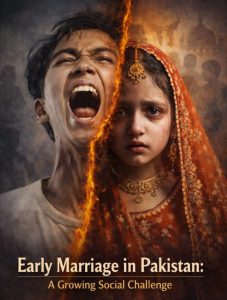
Early Marriage in Pakistan:
A Growing Social Challenge
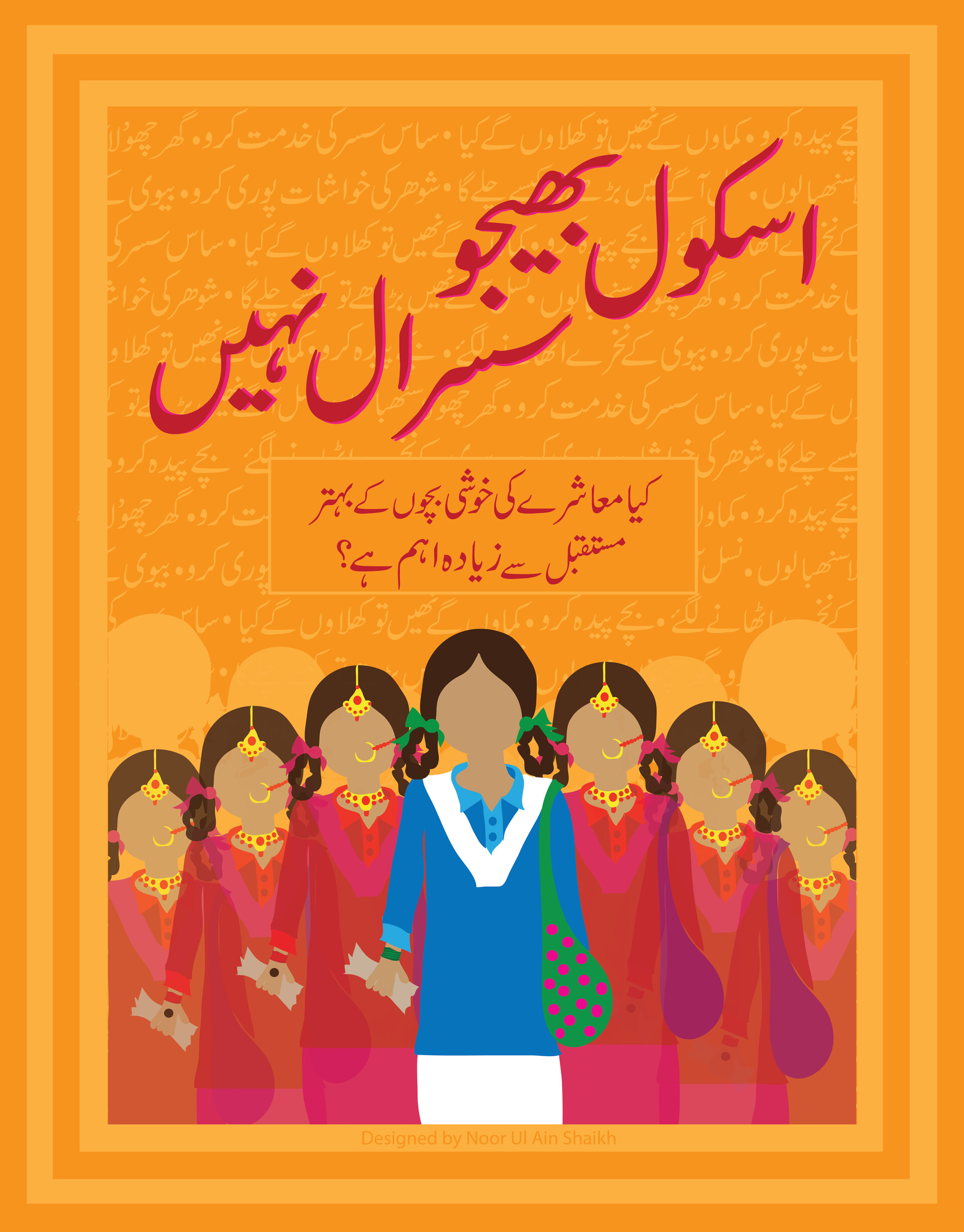
پاکستان میں کم عمری کی شادی:
ایک بڑھتا ہوا سماجی مسئل
पाकिस्तान में कम उम्र में शादी:
एक बढ़ती हुई सामाजिक चुनौती
Girls have the right to live — not just to survive, but to live
with dignity, choice, and dreams.

Early marriage remains a serious social issue in Pakistan in spite of growing awareness and legal frameworks. While marriage is viewed as a spiritual connection marrying at a early age often results in long-term negative consequences for individuals, families, and society. Factors such as poverty, lack of education, cultural traditions, and family pressure continue to drive early marriages, especially in rural
areas. This article explores the major consequences of early marriage in Pakistan and highlights its impact on social stability and family life.
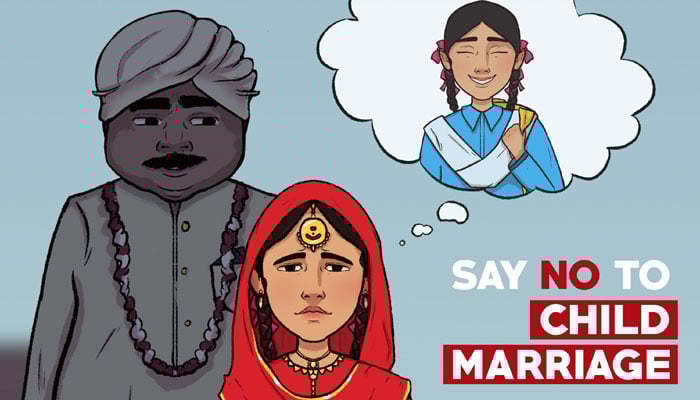
➢ “Why Is Marriage Used to Control, Not Protect?
➢ Marriage is meant to be companionship, not a cage.
Yet for many girls, it becomes a way to control their freedom, their
voice, their future.
➢ Why are girls married off to protect family honor, while their
happiness is ignored?”
Key Facts on Early Marriage in Pakistan
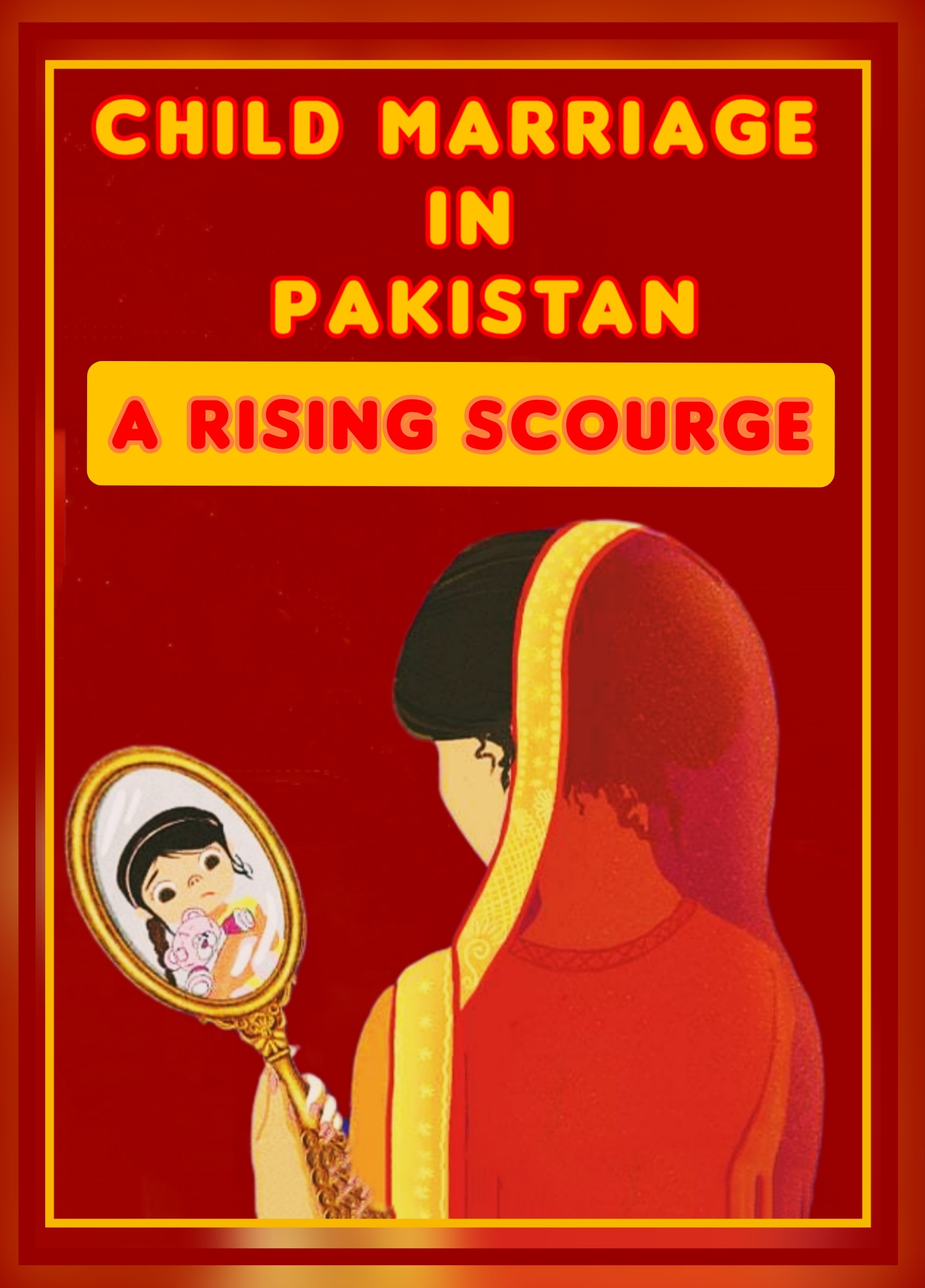
Research show that nearly 50 percent of marriages in Pakistan involve girls under the age of 18. In many cases the actual age of underage brides is deliberately recorded as higher in official marriage documents. According to UNICEF (2017) small-scale survey findings, around 70 percent of girls are married before reaching the age of 16, while a significant number are married even earlier, before completing 13 years of age.
Deep-rooted cultural customs and traditions encourage early marriage, which often leads to early childbearing. Girls are forced into motherhood before they are physically, emotionally, and mentally prepared to take on maternal responsibilities. As a result, early marriage is closely linked to early motherhood. A Population Council of Pakistan survey (2002) reveals that 35 percent of women give birth to their first child before turning 18, and this percentage rises to 69 percent by the age
of 19.
In Pakistani society, the choice of a spouse for young girls is largely discouraged and considered culturally inappropriate. Only 4 percent of girls below the age of 19 are allowed to express their consent regarding marriage. Additionally, families often prefer marriages within their own biraderi (clan), leading to a high rate of consanguineous marriages. Consequently, over 70 percent of girls are married to close or distant relatives.
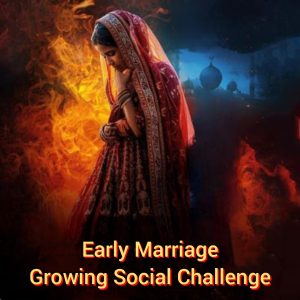
Causes of Early Marriage in Pakistan
Several factors contribute to the prevalence of early marriage in Pakistan:
Poverty: Families often marry off their children early to reduce financial burden.
● Lack of Education: Limited access to education, particularly for girls, increases
early marriage rates.
● Cultural and Traditional Practices: Deep-rooted traditions prioritize early
marriage over personal development.
● Gender Inequality: Girls are often viewed as a responsibility rather than
individuals with rights and ambitions.
Major Consequences of Early Marriage
“Girls are not born to suffer. They are born to dream.”
1. Educational and Economic Disadvantages
One of the most damaging effects of early marriage is the interruption of education. Young girls, in particular, are forced to leave school, limiting their career opportunities and economic independence. As a result, families remain trapped in cycles of poverty, and women become financially dependent on their spouses.
2. Physical and Mental Health Risks
Early marriage exposes young girls to serious health risks, especially due to early pregnancies. These include complications during childbirth, maternal health issues, and increased infant mortality. In addition, emotional stress, domestic pressure, and lack of support often lead to depression, anxiety, and psychological trauma.
3. Emotional Immaturity and Marital Conflicts
Young couples often lack emotional maturity and life experience. Poor communication, unrealistic expectations, and inability to manage responsibilities result in frequent conflicts. Without proper understanding and patience, these marriages often turn unstable.
Early Marriage and the Rising Divorce Rate in Pakistan
There is a strong connection between early marriage and the increasing divorce rate in Pakistan. Financial instability, lack of compatibility, family interference, and emotional immaturity often push young couples toward separation. Many women seek khula to escape unhappy marriages, highlighting the failure of unions formed without readiness or consent.
Social Impact of Early Marriage and Divorce
Impact on Children
Children raised in unstable or broken families often suffer from emotional insecurity, academic decline, and behavioral issues. These effects can continue into adulthood, influencing future relationships.
Social Stigma and Gender Challenges
Divorced women in Pakistan face social stigma, discrimination, and limited remarriage opportunities. This creates further emotional and economic hardship, discouraging women from seeking help.
Weakening of Family Structure
The rise in early marriages and divorces weakens the traditional family system, increasing social instability and reducing trust within communities.
Possible Solutions and Recommendations
● Enforce laws regarding minimum marriage age
● Promote education, especially for girls
● Raise awareness about the risks of early marriage
● Encourage pre-marital counseling
● Support women’s economic empowerment
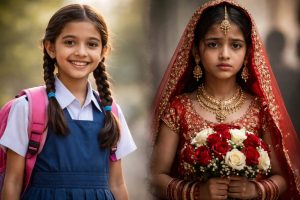
Conclusion
Early marriage in Pakistan is not merely a social practice—it is a silent injustice that robs girls of their childhood, education, and identity. Every early marriage represents a lost dream, a silenced voice, and a future decided without consent. Girls who should be discovering their potential are instead burdened with responsibilities that drain their physical strength, emotional stability, and self-worth.
When society forces children into marriage in the name of honor, it fails its most basic moral duty: protection. True protection lies in education, healthcare, emotional support, and the freedom to choose—not in locking young lives into lifelong commitments they do not understand. Early marriages create cycles of poverty, ill health, marital conflict, and broken families, passing trauma from one generation to
the next.
Men, too, hold a critical role in breaking this cycle. They must become protectors, not enforcers—supporting education, respecting consent, and empowering women to make their own choices. Strength is not in controlling or restricting, but in standing for justice, equality, and the well-being of the family. Only when men act with awareness and compassion can society ensure that marriages are built on respect, readiness, and love rather than fear and force.
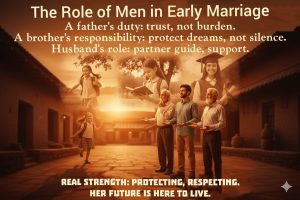
Ending early marriage requires courage from all: from families, communities, and especially men who must lead by example. By empowering girls and supporting each other in equality, Pakistan can build families that are stable, healthy, and filled with hope—a future where marriage becomes a sacred bond of companionship, not a cage of sacrifice.
Disclaimer:
Sada-E-Watan provides news and opinion articles as a service to our readers. These articles and news items come from sources outside of our organization. Where possible, the author and the source are documented within each article. Statements and opinions expressed in these articles are solely those of the author (reporter/newspaper) or authors (reporters/newspapers) and may or may not be shared by the staff and management of Sada-E-Watan. Sada-E-Watan was created to provide one convenient central location where a user can quickly scan headlines from many news sources. The headlines listed on Sada-E-Watan pages are links to stories on the sites where these stories are located. The goal of Sada-E-Watan is to help readers access stories on web sites that they would normally not have time to view on a regular basis and to add value to the news source sites by mentioning their name on top, so readers can view these sites.
The Sada-E-Watan takes no responsibility for any loss or damage suffered as a result of using the linked websites or as a result of using the information published on any of the pages of the linked websites.
Whilst every effort is made to ensure downloadable content is free from viruses, Sada-E-Watan cannot accept any liability for damages resulting from virus infection. You should take adequate steps to ensure your virus check regularly when using any device. If you have any questions or comments about Sada-E-Watan, please contact us at: radio@sada-e-watan.com.
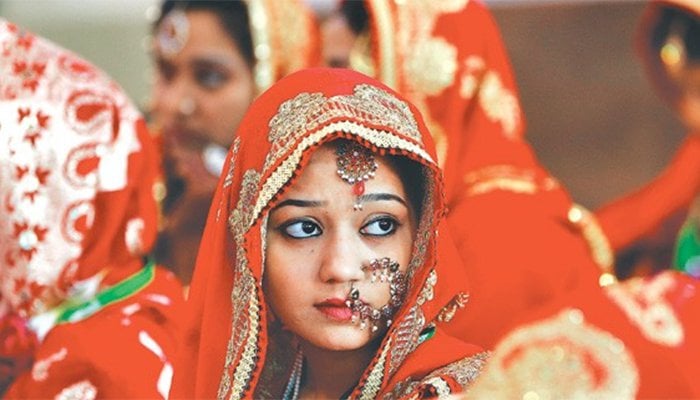

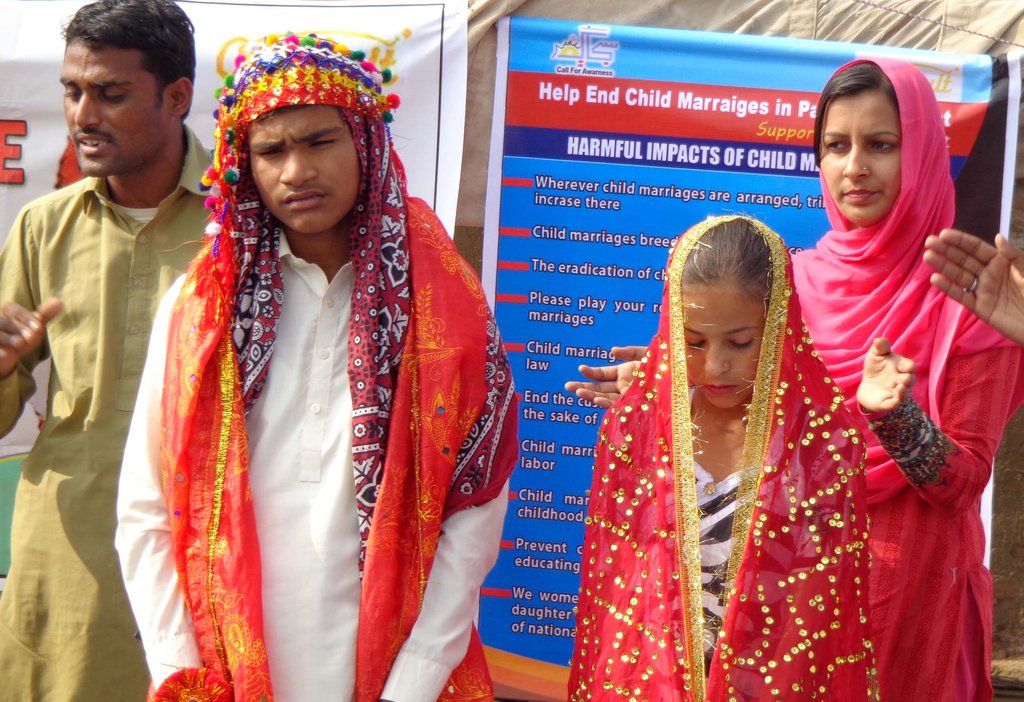
 Bill to curb child marriages passes parliament in Pakistan
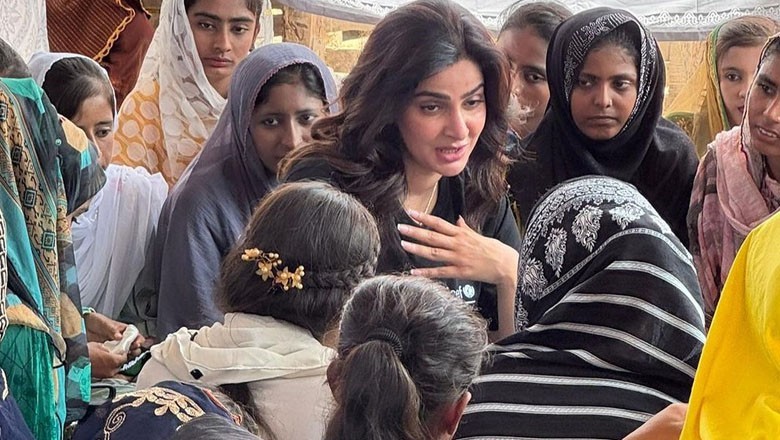
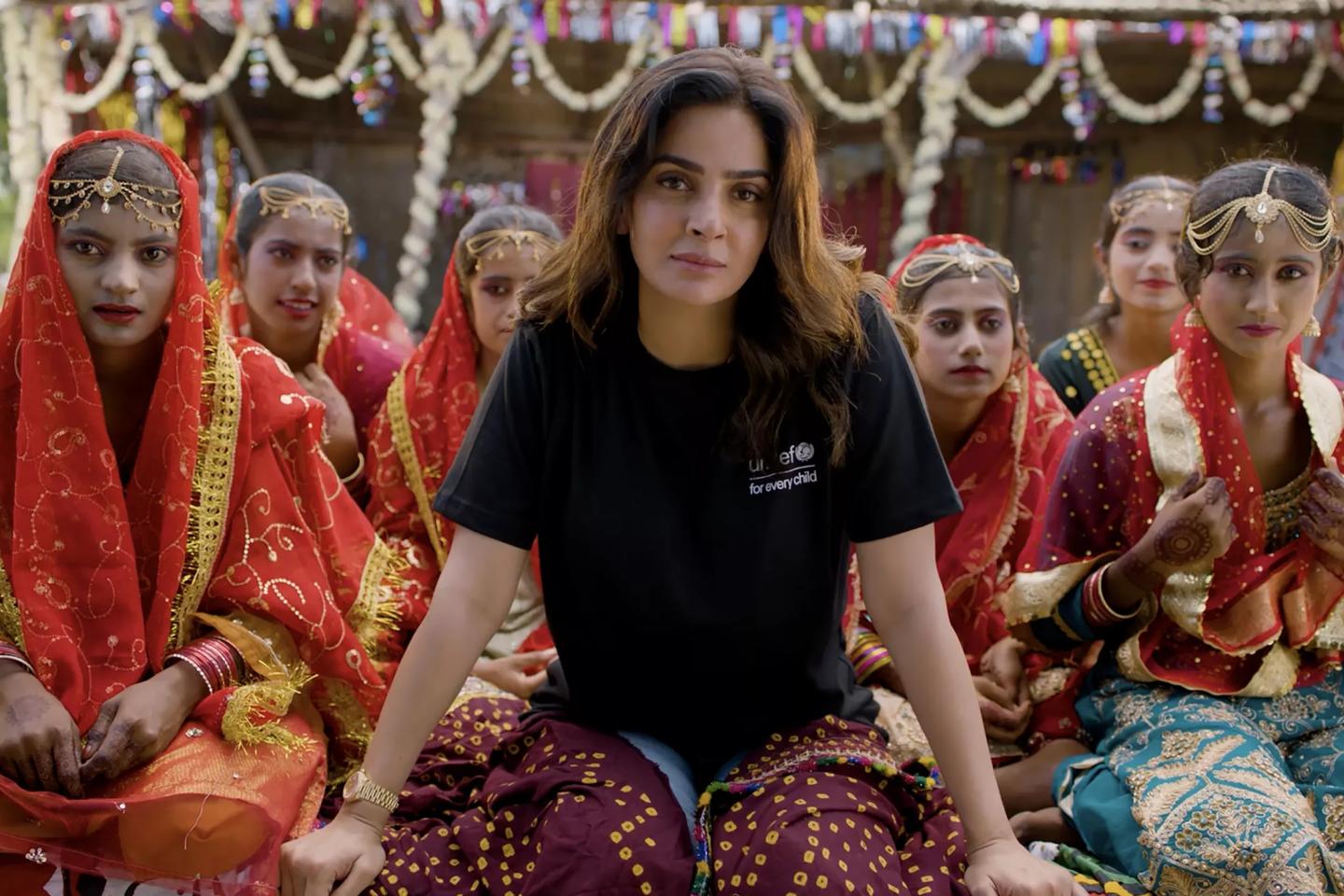 UNICEF National Ambassador Saba Qamar