
















By Asma Ali
Master of Arts(MA)
English Literature
Women’s Personal Hygiene:
Complete Silence About Self-Care…Why?
خود کی دیکھ بھال بارے مکمل خاموشی۔۔۔۔۔ کیوں؟
महिलाओं की व्यक्तिगत स्वच्छता:
स्व-देखभाल के बारे में पूरी तरह से चुप्पी… क्यों?
The gap between self-care and silence in women’s personal hygiene is created by persistent social stigmas, lack of education, and systemic barriers that prevent open discourse and access to essential products and facilities. This silence can have significant negative impacts on physical and mental health, affecting everything from daily comfort to long-term well-being. Social stigmas and cultural taboos around menstruation and other aspects of female personal hygiene create a culture of silence that has severe consequences. Hygiene is the ability to keep the practices, habits and conditions which fosters evidence of cleanliness and health to reduce risk of transmission of disease.
Hygiene includes personal hygiene which means keeping yourself clean; washing your body; practicing dental hygiene; washing your hands; genital hygiene and wearing clean clothing. It also includes environmental hygiene, which means ensuring that your environment is clean and sanitary hygiene; access and use of safe drinking water, appropriate waste disposal, and proper waste management. It involves food hygiene, which means food must be safely prepared, safely cooked, and safely stored.
Ultimately, hygiene means using good hygiene practices to assure that individuals or communities remain healthy and free from illness.

Good personal hygiene is important because it protects us from getting sick and from exposing others to sickness. It is also important for our self-esteem and social presentation. Personal hygiene can be divided into several key types, which focuses on a different part of the body.
1. Hand Hygiene:
Hand hygiene is the most important hygiene type because our hands harbor countless germs from what we touch in our surroundings every day. Cleaning our hands before meals, after using the toilet, and after touching unclean surfaces is the only way we will stay healthy while avoiding the spreading of germs and infection.
2. Oral Hygiene:
Oral hygiene refers to the cleaning of our mouth, gums, and teeth. Tooth brushing two times a day, flossing, and rinsing with water after meals can help prevent bad breath, cavities, gum diseases, etc.
3. Body Hygiene:
The human body accumulates sweat and sheds dead skin cells periodically. By bathing or showering frequently, you will remove this dirt, sweat, and bacteria keeping the skin clean and fresh.
Regarding hair hygiene, washing hair is part of caring for your body and you don’t want to support dandruff or scalp infections, or have a hairdo that’s so maintained, it attracts lice. Clean and well cared hair is an element of neatness and shows good hygiene practices. Nail hygiene is important because dirt and germs hide-out under fingernails and toenails. Clean and trimmed nails keep dirt and bacteria from entering the mouth, when eating or touching food.

Feet are often enclosed and sweaty for long hours in shoes, and fungus can grow rather easily on feet, so wash them every day, keep them dry, and wear clean socks ensures good foot hygiene.
Genital hygiene is often overlooked, embarrassingly neglected because of cultural taboos, yet good genital hygiene is important for comfort and health. Good hygiene of genital areas including washing the private parts regularly, clean underwear and cleanliness regarding menstrual hygiene (for women) to avoid bad odors or infections.
4. Clean Clothes:
Clean clothing is part of personal hygiene, as it helps you feel fresh, helps you avoid skin problems, and helps develop respect for oneself. Changing your clothes every day; including socks and undergarments; and properly washing them helps you feel fresh every day.
Hygiene is not just washing hands or washing one’s private parts, there is a journey to rebuilding a life based on hygiene, confidence and health.
In Pakistan, oral hygiene, genital hygiene and hand hygiene are the most often neglected areas of personal hygiene. Oral hygiene, for example, is mostly neglected as a large part of society brush their teeth irregularly and do not see a dentist until a cavity destroys a tooth, or long-term bacteria formations resulting in gum diseases, and possible toothless life. Genital hygiene is considered taboo and shameful which has caused infections to occur in women and men through silence. Finally, hand hygiene is an issue where people do the simplest thing with the least effort to wash their hands before and after consuming food or after using the washroom, leading them to ignore washing their hands ultimately putting themselves at risk for disease.
Women’s Hygiene: A Worldwide Problem:
Women’s personal hygiene neglect is not simply a ‘Pakistan’ problem but a worldwide problem of various degrees. Many developing countries, in places such as South Asia, Africa and parts of the Middle East share the same barriers and situations to neglecting women, as a result, women have been experiencing menstrual health problems and sexual health problems as a result of poor hygiene. Many women suffer due to lack of education and knowledge of menstruation and reproductive health, access to sanitary products, stigma and taboos related to culture, and forced silence over their reproductive health.For example, in others part of India and Africa, millions women do not have safe menstrual products, only unsafe options that expose them to infections and are generally poor hygiene. When referring to the developed world, like the US or Europe, we have increased access to hygiene products, clean water, and healthcare facilities. The differences, however, remain that stigma and misunderstanding still exists and issues of vaginal health, menstruation, and all things reproductive hygiene remain taboo and silenced.
Across all countries, women’s hygiene is often framed as either a beauty standard, or taboo. Women’s hygiene is addressed infrequently and not as a basic aspect of health and empowerment. Whether it is a village in Pakistan, a community in Africa, or a city in the West, the challenge remains transition from silence, shame, and misinformation, to awareness, openness, and genuine self-care.
The Most Overlooked Hygiene Habits of Women in Pakistan:
In Pakistan, when talking about hygiene practices of women, there is considerable difference in what women have to face due to culturally-driven taboos, lack of economic opportunities or simply the lack of awareness.
Genital health, dental health, and even basic cleanliness are frequently overlooked, not for a lack of caring from women, but because society has stripped women down to their outward appearance. This results in a culture where women may appear flawless in public, yet are silently suffering in private homes. Breaking that silence is not just hygiene… it’s health, it’s dignity, it’s empowerment.
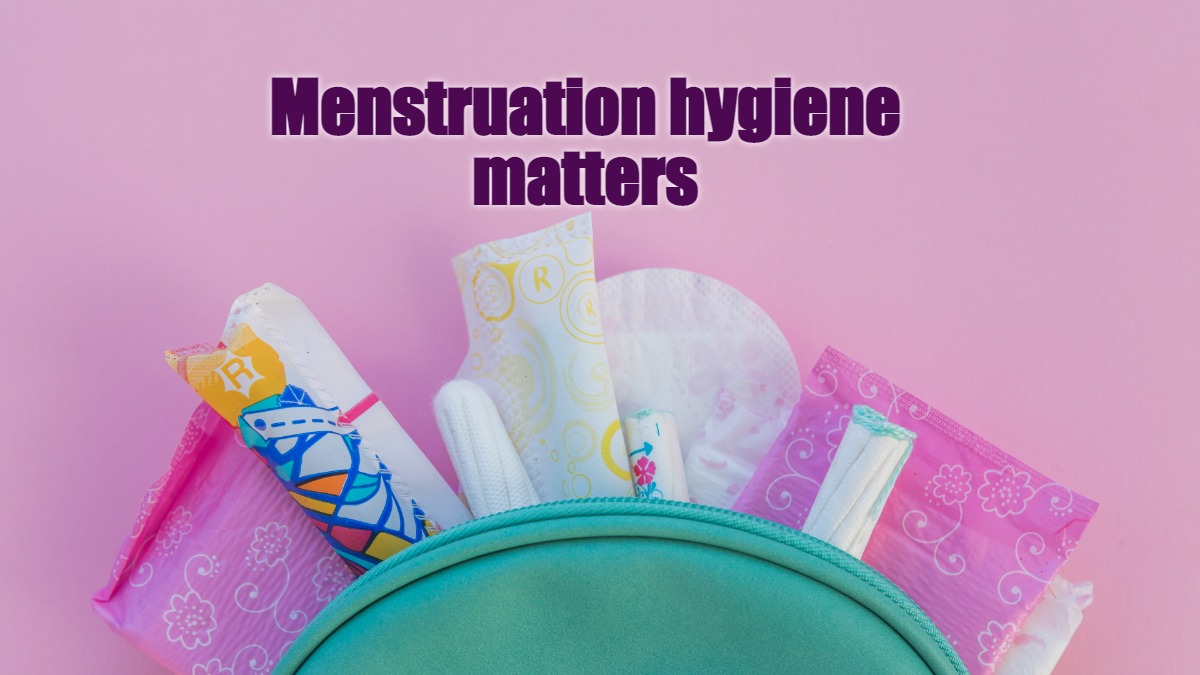
Genital hygiene is the most overlooked hygiene habit. Because it is rarely discussed openly, many women do not receive accurate direction on how best to care for their privates. Pubic hair is natural and starts growing with puberty. It provides a protective layer against friction and infections. However, when it is left untrimmed and not cleaned regularly, sweat, urine, and menstrual blood can collect in the hair. This often results in bad odor, itching, and bacterial growth. The neglect can result in infections, discomfort, and odor but women end up suffering silently out of embarrassment. Along with genital hygiene, menstrual hygiene is closely related and thousands of women and girls within Pakistan still rely on unwashed cloths or rationing their change of pads due to poverty or lack of access or disposal available to them. These practices can lead to urinary/reproductive tract infections.
Overview: Women’s Personal Hygiene in Pakistan:
1. Menstrual Hygiene:
Across different cultures, menstruation is often stigmatized as “dirty,” “unclean,” or “impure”. This has created a self-reinforcing cycle where:
- Silence perpetuates stigma: A lack of open conversation means misinformation and harmful myths continue to flourish, leaving girls and women unprepared for their menstrual cycles.
- Stigma enforces concealment: To avoid embarrassment, women often take great pains to hide their menstruation, which adds to feelings of shame and discomfort. The need for concealment can influence daily practices, such as wearing baggy clothes or creating elaborate routines to ensure no one finds out.
- Advertisements reinforce the trend: Mainstream media frequently emphasizes discretion and freshness in marketing feminine hygiene products, using blue liquid instead of red, which further promotes the notion that menstruation is something to be discreetly managed and concealed.
Pakistani society can help promote better health and hygiene for our women only once it overcomes the taboo and shame associated with menstruation
Many women and girls in Pakistan hear misinformation or myths about menstruation; such as “if you bathe during your menstrual period it will hurt you,” or “you shouldn’t eat some specific food”
Menstrual hygiene is not formally included in the school curriculum, leaving adolescents to rely significantly on mothers or peers, who may also lack adequate knowledge.
Poor knowledge and practices:
With respect to menstrual hygiene, more than half of adolescent girls in Gilgit are poor with respect to knowledge, attitude and practices.
Among rural ethnic groups (Kalash vs Kho women), 90% of Kalash women had good menstrual hygiene practices compared to only 46% for Kho women.
In Hyderabad, Sindh, 60.2% of girls used cloth as menstrual absorbent, which often contributed to absenteeism due to fear of staining and lack of clean changing facilities. In Karachi, nearly 50% of women used appropriate menstrual materials (sanitary pads, etc).
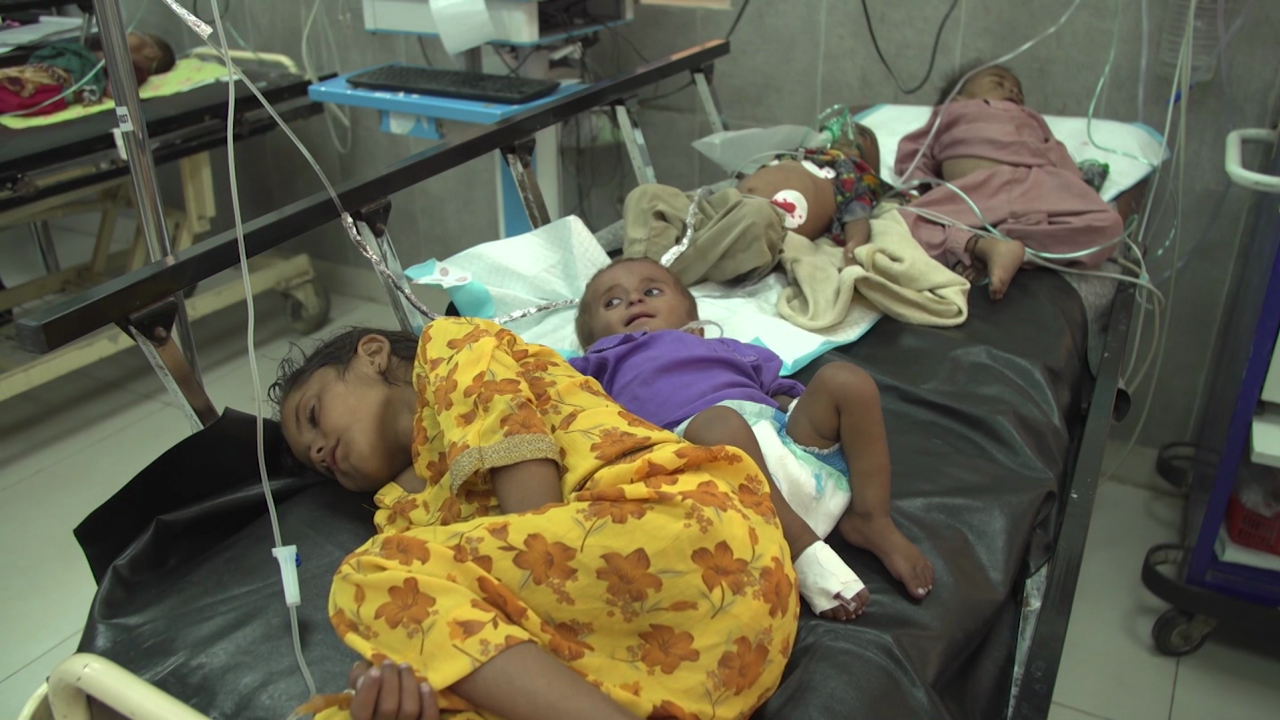
A national-level figure suggests that upwards of 79% of menstruating girls in Pakistan do not manage menstruation in a hygienic manner, which greatly increases the risk of urinary tract infections, pelvic infections, and infertility.
Period Poverty, current flooding & Crisis Response:
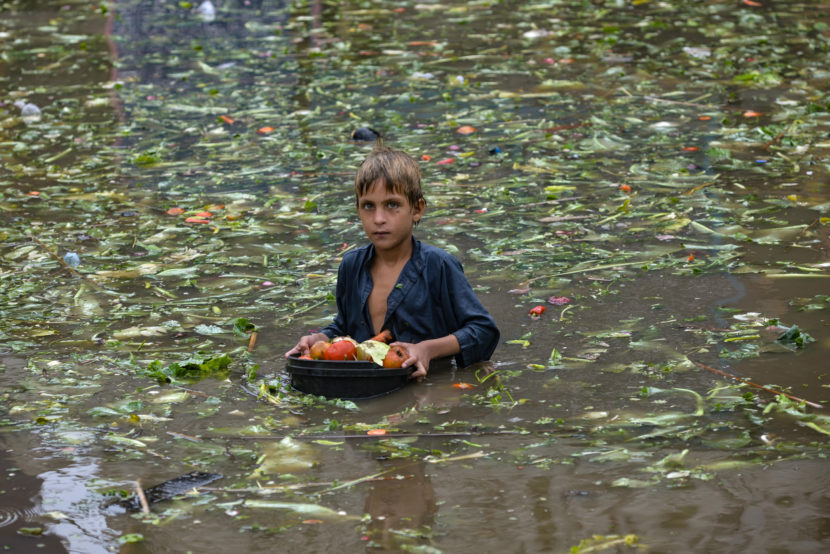
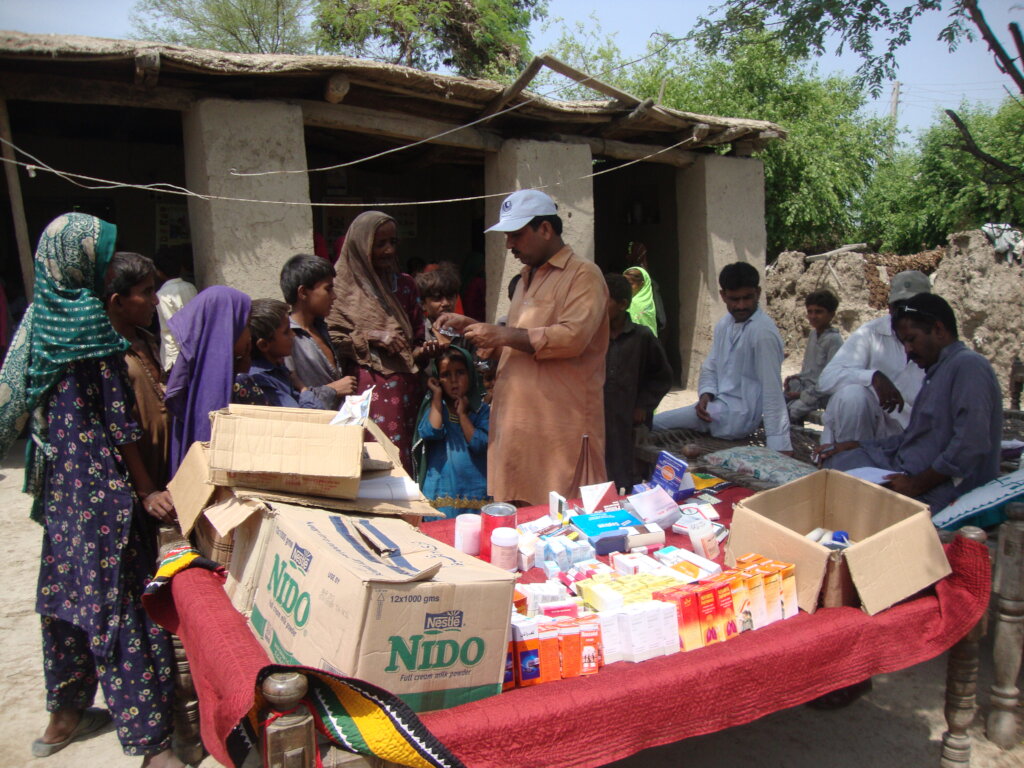
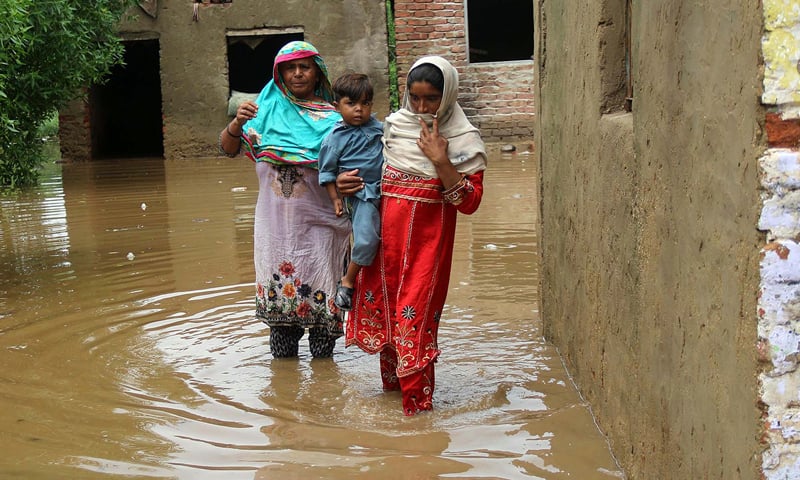
During the unprecedented flooding that influenced an estimated eight million reproductive-age women across Pakistan, many of these women ended up using leaves from trees because they lacked sufficient access to menstrual supplies. Mahwari Justice, HER Pakistan’s grassroots support group, and other organizations provided menstrual kits, taught women how to make reusable pads, and advocated for ditching the taxes on necessary hygiene products.
Barriers to Proper Hygiene in General:
Many areas have limited sanitation, only about 42% of Pakistan’s population had access to sanitation in 2009, and many individuals still engaged in open defecation as recently as 2018. Also, schools do not address menstrual waste removal, promoting unhygienic methods of disposal.
The absence of WASH facilities in schools While programs like UNICEF’s WASH-in-Schools do exist, menstrual hygiene management (MHM) is often deprioritized in the school context. Genital hygiene is probably the most neglected part of personal care among men and women in Pakistan. Culture prevents men and women discussing the issue openly; young girls are left to find their own way without proper guidance from mothers or schools. Additionally, domestic and public settings give women no privacy for comfortable hygienic management or products.
The ignorance around women’s personal hygiene in Pakistan is not necessarily only due to poverty, but a combination of social, cultural and structural factors.
Cultural Taboos:
Talking about women’s bodies, especially around genital and menstrual hygiene are taboo topics and therefore, silent and shameful. This silence also prevents mothers, teachers and even health workers from helping girls learn as well. Many women have grown up without being taught why it is important to clean regularly, how to have safe sanitary practices while having their periods and the importance of hygiene.
Myths and Misconceptions:
Dangerous myths, like that bathing often is bad while having a period, and that washing your private parts is not important, only reinforces neglect. Many women assume that because this part of the body is not visible to others, it does not require the same attention as face or hands.
When women experience issues, like infections or foul odor, they often do not seek medical attention because they are embarrassed and afraid of being judged.
Women’s intimate hygiene is seldom an agenda in national health campaigns, and therefore, remains a blind spot.
Too often women in Pakistan operate under debilitating myths about hygiene—such as that gynecologist visits are only for women who are married, the reality is that early checks can prevent serious complications.
Too many women are still engaging in unsafe behaviors, despite exposure to these myths negatively impacting their health. A common myth for women across all age ranges is that scented soaps, sprays, and perfumes keep the intimate area clean, when in reality they disturb the natural balance resulting in irritation. As for the above point that is perhaps the worst of all, claiming poor hygiene is simply a deficiency of poverty, reveals that barriers are far deeper; barriers of taboos, barriers of awareness and ultimately where the priority lies, where women prioritize makeup, hair and clothing over the much more important reality that beauty and health begins with care for one’s body. These myths mask a very dangerous truth: Health begins with awareness, not with silence.
Ways to Tackle the Issue:
To improve women’s personal hygiene in Pakistan, awareness and organization not only need to happen at an individual level, but also need to be systemic. These are some of the most effective methods we have observed.
Ending the Silence:
Open communication around women’s health needs to be encouraged at home, in schools and through media campaigns particularly when discussing genital health and menstrual hygiene. This change in socialization encourages normalised conversations and aides in destigmatisation.
Health Education:
Hygiene education should be incorporated into schools curriculum and coursework in community-based organizations. Once young girls (and boys) are taught safe hygiene practices, they can develop them into life habits.
Awareness Campaigns:
Local non-governmental organizations, health workers, and media channels should raise awareness through workshops, posters and/or radio/television programs in local languages to educate rural communities.
Affordable and Accessible Products:
Affordable sanitary pads, soap, and safe drinking water access in rural areas must be possible. Providing subsidized, or reusable sanitary products would enhance low-income women’s hygiene management strategies.

Privacy and Sanitary Facilities:
Sanitary facilities must consist of clean, private bathrooms for use in schools, workplaces, and public spaces. In most cases, if a woman must experience a lack of privacy she will adopt unhealthy hygiene practices and avoid maintaining hygiene.
Healthcare Support:
Doctors and health workers should be trained to discuss hygiene issues among women, or other women’s issues, without malice and to encourage women in coming forth with their perceived problems with fewer feelings of embarrassment after receiving advice about bad hygiene practices and how to treat them.
Community Role:
Community members, including educators, parents and religious leaders, can play a role in educating individuals about correct knowledge, wrong beliefs, and good practice.
Real Beauty:
The sad truth related to the problem of women’s personal hygiene in Pakistan is that many women themselves overlook the significance of personal hygiene, focusing instead on their outward appearance. However, the intended goal of ‘presenting oneself nicely’ is defined as stylised hair, clean clothes, makeup and perfume—qualities that one can assign as beauty in others’ eyes. Thus, the impression produced by that appearance is not rooted in hygiene itself.
Real beauty is not measured by polished appearance, it is measured by the lack of infections, bad odor, and the pro-wrapped diseases that exist there from neglect.

Role of Men and Society:
The assumption when one talks about women’s hygiene is that women should be solely responsible for the hygiene issues mentioned above. However, this assumption is wholly dependent upon how society, and more particularly men, treat the issues. In many families, issues related to menstruation, issues related to genital health, or even simple hygiene issues are treated as “shameful” or “inappropriate” subjects to discuss. A father and a brother consider it a taboo to discuss such issues, and a husband often certainly does not consider issues relating to hygiene as important, in fact they probably even find such discussions annoying. If the subject of hygiene is considered to be “shameful”, how can women begin to ask questions, seek help or advice, or even recognize or acknowledge their own health care needs.
Real changes will only result when men, families, and communities see women’s hygiene as a matter of public health, dignity, and well-being and not a matter of “private female”.
Ultimately, the answer is changing attitudes, increasing access, promoting open dialogue, and, when women receive knowledge, dignity and resources; personal hygiene will no longer be an issue that is neglected.

Women’s Daily Hygiene Routine:
An easy daily routine can keep women healthy; a simple daily routine that is followed each day can prevent many health problems. Wash your face, hands, and your genitals with lukewarm water every morning and evening. No soap, not even gentle soaps, should be used to wash these areas. You should brush your teeth twice a day, and always floss after brushing, for good oral hygiene. Shower regularly, also after any physical activity in which you happen to sweat. When showering, always go back to your undergarments, and wear fresh, clean cotton underwear to allow restricted movement of air, and a reduction of bacteria. Change sanitary pads and tampons every 4-6 hours during menstruation. Wash your hands before you start, and right after you finish using sanitary products. Reduce the amount of body hair found in sensitive areas like the underarms and the bikini line, as it holds more sweat and odor. Pat yourself dry with a clean towel after washing your body. Drink plenty of clean water, and try to eat a balanced diet to assist with inner hygiene. When hygiene has frequent reminders of being a neglected priority, simple basics can change it into a nurturing aspect of your daily routine.
Occasional Hygiene Routine:
Besides daily care, women create a hygiene routine approved for the long run through a weekly and occasional routine as well. The intention is to prevent health issues. No bodily hair in your underarms or on your body helps reduce interaction with sweat, odor, and bacteria, at least once or twice a week the hair is to be trimmed from your underarm area and body. Using hot water wash your pillow cases, bottom sheets and towels to kill germs and replace with unused clean towels, and sheets. Gently exfoliate the body at least once a week to remove dead cells and keep fresh. Disinfect personal items to limit contamination such as your water bottle, hair combs, and make-up applicators. Book a medical check-up with your gynecologist or dentist, you may not have visible symptoms but this will help catch early infections, to help with health issues. Therefore with these components of weekly, occasional and daily, we complete an entire hygiene routine that protects health and beauty.

Health Care Products for Women’s Hygiene:
1. Gentle Intimate Wash (pH-Balanced):
You can use a gentle, pH-balanced intimate wash 2-3 times a week to help you feel fresh, while allowing the natural vaginal flora to maintain itself. Simply apply a small amount to the external area (this is the only part that should be used); rinse with lukewarm water, and dry it off by patting the area dry. Do not use any product that is harsh, scented, or chemical-based since they can aggravate the skin and lead to infections.
2. Feminine Hygiene Products (Sanitary Pads, Tampons, and Menstrual Cups):
Feminine hygiene products are used differently, depending on the method of menstruation. Sanitary pads should be changed every 4–6 hours, and again, disposed of in a covered bin, and hands washed both before and after use. Tampons also need to be changed every 4–6 hours in order to reduce the risk of Toxic Shock Syndrome (TSS). Menstrual cups should be washed with warm water before use and then again after use, sterilized once per month by boiling the cup in water, and emptied every 6-8 hours.
3. Antibacterial or Unscented Wipes (For Travel):
When there is no water available–like when you are traveling; alcohol-free, unscented wipes may be beneficial. Wipes should be used externally. Wipes should never replace washing with water daily.
4. Cotton Underwear and Panty Liners:
Breathable cotton underwear is best for daily wear, and should be changed at least once every 24 hours.
5. Antifungal or Medicated Powder for Areas that Sweat (Humidity Regions):
For areas that readily sweat (e.g. the armpits, groin), lightly dusting antifungal or medicated powder on these places post-shower may help to keep moisture away from the skin and quell possible fungal infections. These products shouldn’t be used long-term unless advised by a physician.
6. Routine Visits to their Doctor and Prescribed Products:
If there is atypical discharge, prolonged odor, itchiness, or irritation, a woman should contact their gynecologist. The physician may prescribe antifungal cream, probiotics, or medicated washes, which should not be used any more than directed.
Doctor’s Do’s and Don’ts:
The doctor’s best piece of advice is that ladies embrace simple hygiene steps that are done consistently. Clean and wash the genital area daily with clean water; wipe from front to back, see a gynecologist annually. At the same time, women must also avoid bad practices, including using scented sprays, deodorants, or powders on the intimate area, vaginal douching, wearing tight synthetic clothing for prolonged periods, and keeping sanitary products longer than recommended. Most importantly, is when you notice any sign of discomfort—unusual discharge, foul odor or itching—never ignore it. See a doctor promptly, as early consultation may prevent serious infections.

Conclusion:
There is more than just soap, water or a sanitary product involved in women’s personal hygiene in Pakistan; there is dignity, identity and feelings of worth. The silence around this issue has turned a universal human need into an invisible struggle. To break the silence is
not an issue of privilege; it is an issue of justice. A woman who learns that her body is something to care for without shame, is a woman who is not only protecting her health, but is also restoring her right to live in confidence and respect. So, the real solution is not hygiene kits or even campaigns, but rewriting the cultural script; to be one where caring for the body and its functions is lauded as strength rather than silenced as taboo.
“When women learn to care for their inner cleanliness as much as they care for their outward beauty, and when society encourages that rather than silence it, hygiene will no longer be an unspoken struggle but a visible marker of health, dignity, and empowerment.”
“The future of women’s health in Pakistan will not depend on the perfumes, powders, and appearances, but on the courage to communicate, the will to care, and the wisdom to consider hygiene as the basis of real beauty.”
We tell girls to cover their bodies, but we do not teach them to care for their bodies; and therein lies the real threat. This is a reality that speaks to the heart of the issue; women are socialized to care about modesty, appearances, and outward presentation, but not the critical practice of caring about their inner cleanliness. The issues discussed are frequently overlooked by women themselves, who then focus attention to clothing, make-up and external beauty, neglecting the true basis for being healthy and truly attractive to it is actually personal-hygiene. Empowerment starts not with beauty or clothing, but with awareness and self-care. The only way forward is to stop the silence and to teach women to take care of hygiene as a component of dignity, faith, and health. Then, the women can move to being not merely “seen to be proper” but actually healthy and thus confident, healthy and honored.
“True empowerment begins not with the lipstick on a woman’s face, but with the care she gives to the body no one else sees.”
Disclaimer:
Sada-E-Watan provides news and opinion articles as a service to our readers. These articles and news items come from sources outside of our organization. Where possible, the author and the source are documented within each article. Statements and opinions expressed in these articles are solely those of the author (reporter/newspaper) or authors (reporters/newspapers) and may or may not be shared by the staff and management of Sada-E-Watan. Sada-E-Watan was created to provide one convenient central location where a user can quickly scan headlines from many news sources. The headlines listed on Sada-E-Watan pages are links to stories on the sites where these stories are located. The goal of Sada-E-Watan is to help readers access stories on web sites that they would normally not have time to view on a regular basis and to add value to the news source sites by mentioning their name on top, so readers can view these sites..
The Sada-E-Watan takes no responsibility for any loss or damage suffered as a result of using the linked websites or as a result of using the information published on any of the pages of the linked websites.
Whilst every effort is made to ensure downloadable content is free from viruses, Sada-E-Watan cannot accept any liability for damages resulting from virus infection. You should take adequate steps to ensure your virus check regularly when using any device. If you have any questions or comments about Sada-E-Watan, please contact us at: radio@sada-e-watan.com۔