

















By Dr. Lubna Shahzad
Specialties: Infectious Diseases
Video: BBC/YouTube
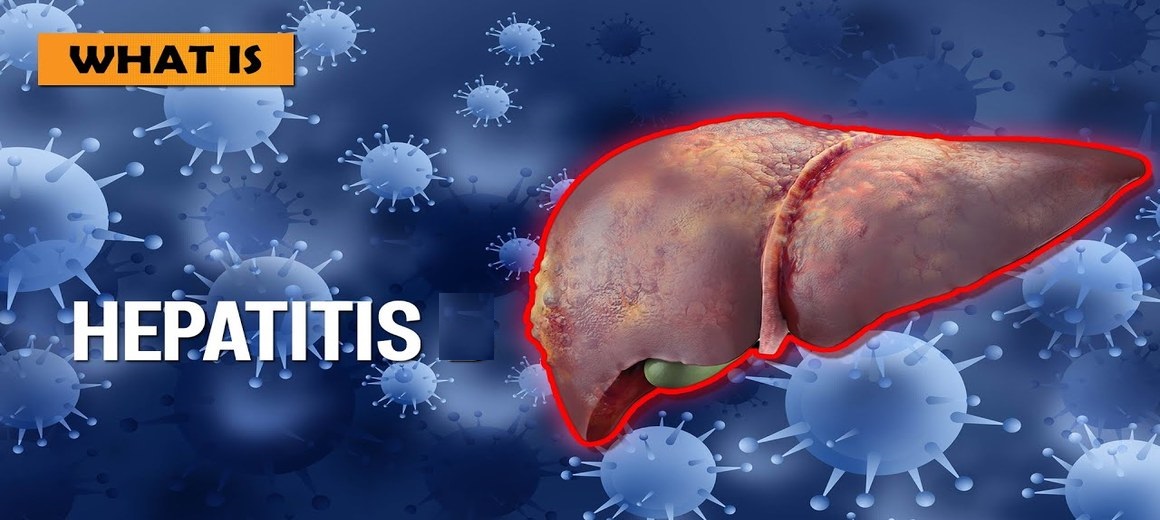
Hepatitis:
A Rapidly Spreading Viral Infection in Pakistan
پاکستان میں تیزی سے پھیلنے والا وائرل اِنفیکشن
पाकिस्तान में तेजी से फैल रहा वायरल संक्रमण
Introduction:
The word for hepatitis in Urdu is ہیپاٹائٹس. Hepatitis is a serious disease that causes inflammation of the liver. It can be caused by a number of things, including viruses, chemicals, drugs, alcohol, genetic disorders, or an overactive immune system. Hepatitis can lead to a range of health problems, some of which can be fatal۔ According to a 2024 World Health Organization (WHO) Global Hepatitis Report, Pakistan accounts for 44% of new hepatitis B and C infections from unsafe injections. Pakistan has the second-highest burden of hepatitis in the world, with a prevalence of 2.4% for hepatitis B and 4.8% for hepatitis C. Pakistan’s hepatitis transmission has increased due to unsafe healthcare practices, sharing personal items, and ignorance of sterilization techniques. Many people contract the infection in healthcare settings without realizing it, and the disease is often called a “silent killer” because patients can remain undiagnosed and untreated for years before developing complications and dying.

Pakistan’s struggle to tame hepatitis: an ongoing threat

Hepatitis B, a potentially deadly liver illness caused by the hepatitis B virus (HBV), is a major concern for global health1. Infections with the hepatitis C virus (HCV) may be either acute or chronic. Generally, acute HCV infections are asymptomatic and do not develop into a life-threatening condition, therefore, infected individuals naturally clear the virus without receiving any therapy in about 30% (15%–45%) of cases within 6 months of infection.
Disease and complications: initially after infection from the virus, the disease is termed as acute hepatitis, while the disease is said to be chronic if the virus is not cleared even after six months. The chronic infection may lead to the development of fibrous tissue in liver termed as liver fibrosis. In addition, liver cirrhosis can also happen. Hepatitis C virus is a slow progressing virus and develops cirrhosis after 10 to 40 years of initial infection. About 80% of the people remain asymptomatic during acute infection.
Local hepatitis prevention and control programs are being carried out throughout the nation for hepatitis prevention and treatment. Significant efforts are already underway to address the issue, including, but not limited to, screening donated blood, sterilizing medical equipment, implementing hospital waste management systems, increasing HCV testing and treatment, updating the National Strategic Framework, as well as offering catch-up immunization for children over the age of 5 and at-risk groups to increase administration of the hepatitis B vaccine.
 To provide lifelong or at least 20-year protection, the World Health Organization (WHO) recommends that all infants get the hepatitis B vaccination as soon as possible after birth, ideally within 24 hours, and subsequently receive 2 or 3 doses of the vaccine every 4 weeks. In addition to infant immunization, the WHO recommends that mothers take antiviral prophylaxis to prevent the vertical transmission of hepatitis B to their unborn child.
Safer sex practices, such as limiting the number of sexual partners or using protection, may also reduce the risk of transmission. There is an urgent need to inform and raise public knowledge about the prevalence in particular towns or places. The detection method in public healthcare facilities should be advanced from the immunochromatographic test to the enzyme-linked immunosorbent assay. Mass vaccination campaigns, particularly in high-risk populations and vulnerable areas, media education, and the inclusion of general knowledge in university curricula are all components of an effective campaign.
On World Hepatitis Day, WHO is calling on countries to step up efforts to eliminate hepatitis by 2030.With one of the world’s highest rates of hepatitis C, Pakistan is tackling this serious health issue from many angles to improve prevention, diagnosis and treatment.
Pakistan has the highest number of hepatitis C patients in the world, with a prevalence of 4.8%. As of January 1, 2021, an estimated 9,746,000 Pakistanis were living with the virus. The disease is transmitted through blood-to-blood contact and can cause severe liver complications if left untreated.
Pakistan has the second highest HCV infection prevalence after Egypt. One in every twenty individuals in the country is estimated to have been infected with the virus. The main route of HCV transmission in Pakistan is thought to be through healthcare-related exposures

Pakistan now home to world’s highest number of hepatitis C patients
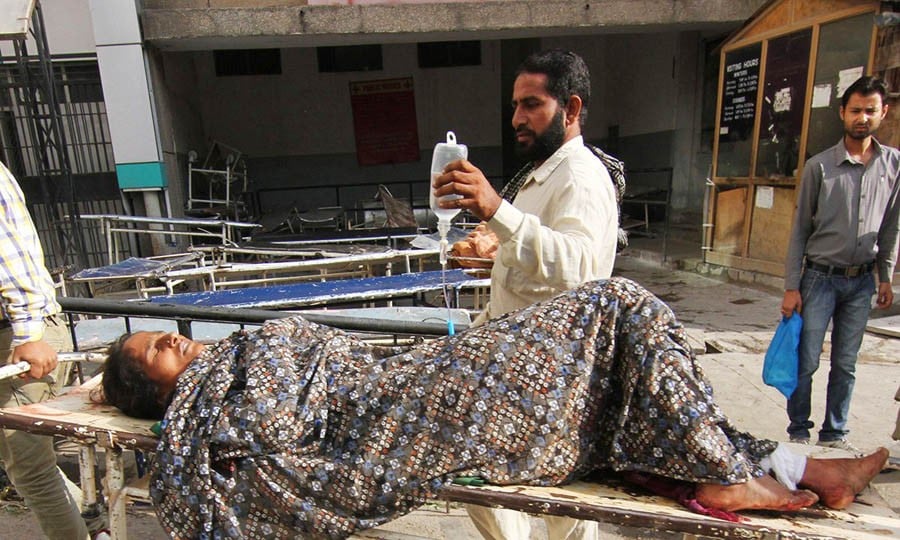
Pakistan is now home to the world’s largest population of hepatitis C patients, with nearly 10 million people infected by the virus amid rampant use of unclean needles and unhygienic health services. Pakistan is now home to the world’s largest population of patients living with hepatitis C, surpassing even China, India and Nigeria. The growing burden of the virus, which transmits through blood-to-blood contract and can cause severe liver complications if untreated, is expected to further strain a public health system identified by the World Health Organization as one of the globe’s worst.
Health experts say the reuse of needles and syringes, unscreened blood transfusions, and sharing of razors by barbers and surgical instruments by dentists are the main reasons for the spread of hepatitis C in Pakistan.
The country also has one of the highest rates for therapeutic injections per capita in the world. Unfortunately, we have poor infection prevention control. Also, pregnant women are not vaccinated for hepatitis B, resulting in transmission of the virus from mother to child.
Pakistan has the world’s second highest prevalence of hepatitis C, second only to Egypt.
Disease is a ‘ticking bomb’
The sheer scale of the crisis is staggering. A new WHO report flags Pakistan as the country with the highest number of hepatitis C cases in the world and fifth overall in terms of the prevalence of the hepatitis B and C variants combined. With a total of 12.6m reported cases, of which 8.8m are of the C variant of the viral disease, and potentially millions more that remain undiagnosed, the country clearly has a severe health crisis on its hands. However, despite the fact that nearly 5pc of Pakistan’s population suffers from hepatitis B and C and trends show an increase in prevalence over recent years, the crisis is not being discussed enough, even though these diseases are preventable with a few precautions and treatable in many cases with medical interventions. Instead, the transmission of these viruses continues to increase because proper sterilisation techniques are largely not followed. Reused syringes, transfusion of unscreened blood and inadequate sanitary conditions can become the cause of disease transmission in healthcare settings. Elsewhere, seemingly innocuous items, such as a barber’s inadequately sterilised razor, can become the medium of transmission of the disease.
The lack of effective drugs and robust epidemiological data are also major contributors to the growing prevalence of the disease. In Pakistan, the control of hepatitis has so far remained a low political priority, with poor implementation of health-related policies and government-sponsored treatment programs by the devolved provincial health ministries.

However, the establishment of the National Blood Transfusion Authority in Pakistan has been a major development that addresses one of the biggest sources of infection in the country: contaminated blood units. But the elimination of hepatitis from Pakistan by 2030 will be impossible under current initiatives. It will be a significant development if the country succeeded in reducing the annual hepatitis deaths from 200,000 to less than 25,000. The control of hepatitis epidemics requires political will, financial investment and support from pharmaceutical, medical and civil societies around the globe.
Pakistan gets half a million new infections every year and if it continued the gap between the country and other nations would widen. Pakistan needs to scale up testing and treatment to reach the WHO target by 2030. To achieve the WHO elimination targets, Pakistan needs to screen 9.4 to 22.6 million people annually, treat 491,000 to 1.2 million people and reduce new infections.
- Unsafe medical injections
- Reuse of needles and syringes
- Unscreened blood transfusions
- Sharing of razors by barbers
- Sharing of surgical instruments by dentists
- Ignorance of sterilization techniques
- Sharing personal items
Unsafe injections and unhygienic instruments are major cause of spread
The high prevalence of hepatitis is due to many factors in both health care settings and in the community. This includes use of dirty syringes, failure to screen blood before transfusion, use of unhygienic dental instruments, reuse of razor blades by barbers and poor infrastructure for infectious waste disposal. Unsafe injections play a major role in transmitting hepatitis C. The Government of Punjab is the first province in Pakistan to address this issue by introducing a policy to ensure that 90 % of all syringes used in the health sector are auto-disable, meaning that they cannot be used more than once. In addition, it has launched a program to improve infectious waste control that includes building 39 incinerators in health facilities.
WHO sounds alarm on viral hepatitis infections claiming 3500 lives each day
According to the World Health Organization (WHO) 2024 Global Hepatitis Report, the number of lives lost due to viral hepatitis is increasing. The disease is the second leading infectious cause of death globally — with 1.3 million deaths per year, the same as tuberculosis, a top infectious killer.
The report, released at the World Hepatitis Summit, highlights that despite better tools for diagnosis and treatment, and decreasing product prices, testing and treatment coverage rates have stalled. But, reaching the WHO elimination goal by 2030 should still be achievable, if swift actions are taken now.
New data from 187 countries show that the estimated number of deaths from viral hepatitis increased from 1.1 million in 2019 to 1.3 million in 2022. Of these, 83% were caused by hepatitis B, and 17% by hepatitis C. Every day, there are 3500 people dying globally due to hepatitis B and C infections.
On World Hepatitis Day, WHO is calling on countries to step up efforts to eliminate hepatitis by 2030.With one of the world’s highest rates of hepatitis C, Pakistan is tackling this serious health issue from many angles to improve prevention, diagnosis and treatment.
Hepatitis C
Hepatitis C is a virus that causes chronic liver inflammation and long-term damage. Transmission commonly occurs through infected needles. HCV is treatable with new antiviral medications, but many people don’t know they’re infected. They may not have symptoms until liver disease has progressed to liver failure.
What is hepatitis C?
Hepatitis C is a viral infection that affects your liver. It causes inflammation and swelling, which damages your liver tissues over time. “Hepatitis” means inflammation of the liver. There are many causes of hepatitis, and a few of them are viruses. Compared to other causes of viral hepatitis, though, hepatitis C is much more likely to stay in your body for a long time.
Chronic inflammation over many years does serious damage to your liver. In fact, hepatitis C is one of the leading causes of liver failure and liver transplantation in the world. Most people can’t tell when their liver is inflamed. They don’t develop symptoms until severe damage has already been done.
What is the main cause of hepatitis C?
Hepatitis C is caused by a virus that spreads through contact with blood. Transmission occurs when the blood of an infected person enters the body of an uninfected person. It most commonly occurs when people share needles for injecting intravenous drugs. Worldwide, transmission commonly occurs in medical settings with unsterilized equipment.

What is the difference between hepatitis A, B and C?
Hepatitis A and hepatitis B are different viruses that also cause hepatitis. They differ in the ways they’re contracted and spread, the types of infections they cause and the ways that you can treat them and prevent them. Here are some of the key differences:
| Type | Prevention | Transmission | Infection | Treatment |
|---|---|---|---|---|
| Hepatitis A | Has vaccine | Through feces | Acute only. Resolves by itself in a few weeks. | May not be necessary. The vaccine may help if you haven’t had it yet. |
| Hepatitis B | Has vaccine | Through blood | Chronic in only 5% of adults but in 30% of children under 5. | Antivirals can help to control chronic infection, but they don’t cure it. |
| Hepatitis C | Has no vaccine | Through blood | Chronic in 80% of people. | Antivirals can cure 95–98% of chronic infections. |
How does hepatitis C infection affect me?
Hepatitis C infection has several stages.
Incubation
When you first get a virus, it goes through what’s called an incubation period. This is when it’s busy replicating itself in your body. The virus keeps replicating until it reaches the threshold where your body recognizes the infection. Then your immune system kicks in, and that’s when you begin to notice symptoms.
Acute infection
With hepatitis C, the incubation period can last from two weeks to six months. The acute stage of infection begins when your immune system kicks in. It’s also when you begin to experience symptoms. Most viral infections at the acute stage cause symptoms of illness, such as fever and inflammation in your body. With hepatitis, though, the inflammation is mainly in your liver, and you might not notice it.
Only 20% of people with acute hepatitis C infection have symptoms. People who have symptoms can treat the infection with antivirals. But most don’t have symptoms and don’t know to seek treatment. The acute stage lasts up to three months. Within this period, up to 20% of people effectively fight off the virus and spontaneously clear it from their bodies.
Chronic infection
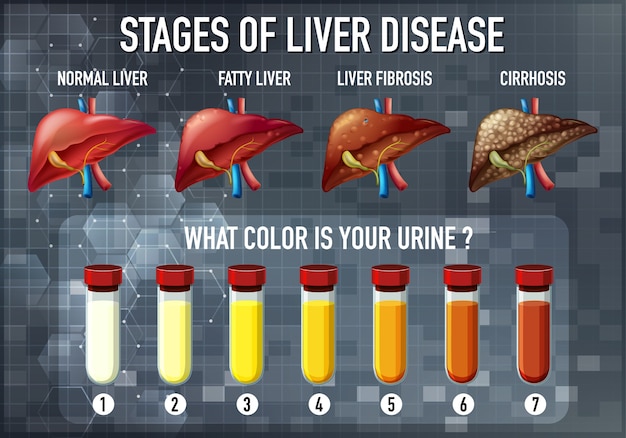
Most people (80%) are unable to clear the virus by themselves and develop a long-term, chronic infection. This means that their livers are constantly inflamed and swollen. Chronic hepatitis causes liver damage by a process known as cirrhosis. The constant inflammation of the liver eventually leads to scarring.
Cirrhosis progresses slowly over several decades. It might go faster if you have additional liver damage from other causes, such as excessive alcohol use. It might go slower if your liver is in better condition overall. But the end result is that scar tissue prevents your liver from doing its job. The risk of cirrhosis from chronic hepatitis C infection is about 25% after 20 years.
Symptoms and Causes
How do you get hepatitis C?
The hepatitis C virus (HCV) spreads through contact with blood. Transmission occurs when the blood of an infected person enters the body of an uninfected person. In the U.S., the most common way this happens is by sharing needles for injecting intravenous drugs. But there are all sorts of accidental ways that you might come into contact with another person’s blood.
For example:
- Exposure to needles or sharp objects at work, especially in healthcare.
- Tattoos or body piercings performed with unsterilized equipment.
- Sharing a razor or toothbrush with somebody who might have bled using it.
- Less commonly, through sexual contact that leads to blood exposure.
Before 1992, hepatitis C was commonly spread through blood transfusions and organ transplants. Now, healthcare providers routinely screen for the virus before using donated blood or organs. While it’s no longer a risk from these causes, healthcare providers recommend that everyone who did receive a transfusion or transplant before 1992 get tested for HCV.
Who is most commonly affected by hepatitis C infection?
In the U.S., you’re more likely to be infected with hepatitis C if you:
- Use intravenous drugs.
- Have HIV.
- Received a blood transfusion or organ transplant before 1992.
- Received blood clotting factor for hemophilia before 1987.
- Were born between 1945 and 1965.
- Were born to a mother with hepatitis C.
)
What are the symptoms of hepatitis C?
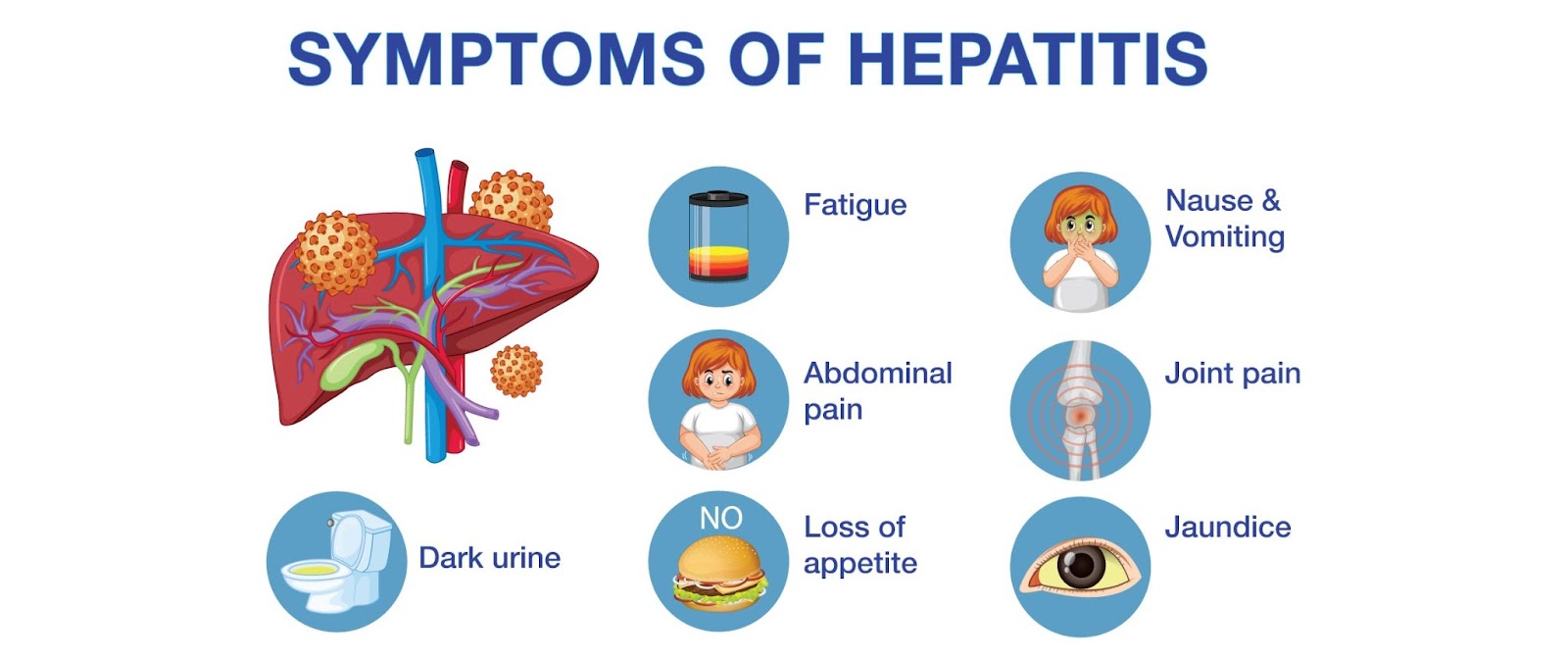
Most people don’t have any symptoms. A small number may have symptoms during the acute stage of infection. They may be vague, flu-like symptoms, or they may be like the symptoms of liver disease, including stomach pain and jaundice. Much later on, you may begin to notice symptoms of late-stage liver disease when your liver is beginning to fail.
What are the early warning signs of hepatitis C?
Acute symptoms of hepatitis C infection may resemble flu symptoms, such as:
They may also resemble the symptoms of acute liver failure, such as:
- Jaundice (yellowing of lighter skin and the whites of the eyes).
- Abdominal pain (especially in the upper right quadrant).
- Nausea and vomiting.
- Dark-colored pee and light-colored poop.
What are the symptoms of advanced liver disease?
If you don’t have early warning symptoms, you may have late warning symptoms of hepatitis when you begin to experience the effects of cirrhosis after many years of chronic infection. You may have all of the symptoms above, and may also notice:
- Swelling with fluid in your arms and legs (edema).
- Swelling with fluid in your abdomen (ascites).
- Itchy skin.
- Unexplained weight loss.
- Easy bruising and bleeding.
- Difficulty thinking or remembering, confusion (hepatic encephalopathy).

Diagnosis and Tests
How is hepatitis C diagnosed?
Screening for hepatitis C infection begins with a simple blood test. Your healthcare provider will draw a small amount of blood from a vein in your arm and send it to the lab for testing. If you’ve been infected with the virus, your blood sample will have antibodies against hepatitis C. If you test positive for antibodies, your healthcare provider will follow up with additional blood tests.
A blood test called an RNA PCR test looks for evidence of the actual virus in your blood, not just the antibodies. This test is necessary to confirm that you’re still infected. You might still have antibodies even if you’ve spontaneously cleared the virus. Your provider can also use this test to measure the quantity of the virus in your blood and to find out which strain you have.
What other medical tests will I have?
If you test positive for chronic hepatitis C infection, your healthcare provider will want to assess your liver for damage. They’ll want to know how much of your liver tissue has turned to scar tissue. Tests to evaluate the health of your liver may include:
- Liver function tests. Liver function tests are a series of blood tests that evaluate the health of your liver.
- Elastography. An elastography is a noninvasive imaging test that measures the stiffness or fibrosis of your liver tissue. It uses ultrasound or MRI.
- Liver biopsy. As a last resort, when other tests aren’t conclusive, your healthcare provider may take a sample of tissue from your liver to test in the lab. They can usually do this through a hollow needle inserted through your abdominal wall in a simple bedside procedure.
Management and Treatment
Does hepatitis C go away?
It doesn’t usually go away without treatment, but occasionally it does. If you’re among the few who are able to spontaneously clear the virus, this will happen during the acute stage of infection. The acute stage is when your immune system launches its initial attack on the virus. It lasts up to three months. If it succeeds, you won’t develop a chronic infection.
If you do have a chronic infection, it means that the virus has outwitted your immune system and you’ll need help to clear it. Fortunately, recent advances in antiviral medications have made this possible. New antivirals can cure chronic hepatitis C infection in 95–98% of cases, within eight to 24 weeks. Due to their side effects, they may not be suitable for everyone.
What is the treatment for hepatitis C?
There are a variety of medications now available to treat hepatitis C. Different medications are recommended to treat different strains of the virus. The length of treatment may depend on your overall condition and the strain (or genotype) you have. Some respond better to treatment than others.
Medications approved for the treatment of hepatitis C, consult your medical provider.
Will I need additional treatment?
If you already have advanced liver disease (cirrhosis), curing the infection may not be enough. You may already be on the threshold of liver failure. The only cure for liver failure is liver transplantation. If your healthcare provider determines that you need a new liver, you’ll have to join the waiting list. In the meantime, curing hepatitis C is still important to protect the health of your new liver.

Prevention
Is there a hepatitis C vaccine?
There’s currently no effective vaccine to prevent hepatitis C. Although researchers have been working on it for a long time, hepatitis C has proven difficult to prevent because it has many variations and mutates rapidly. The only effective way to prevent hepatitis C infection is to avoid contact with infected blood. In particular, don’t share needles or syringes.
What is Hepatitis A:
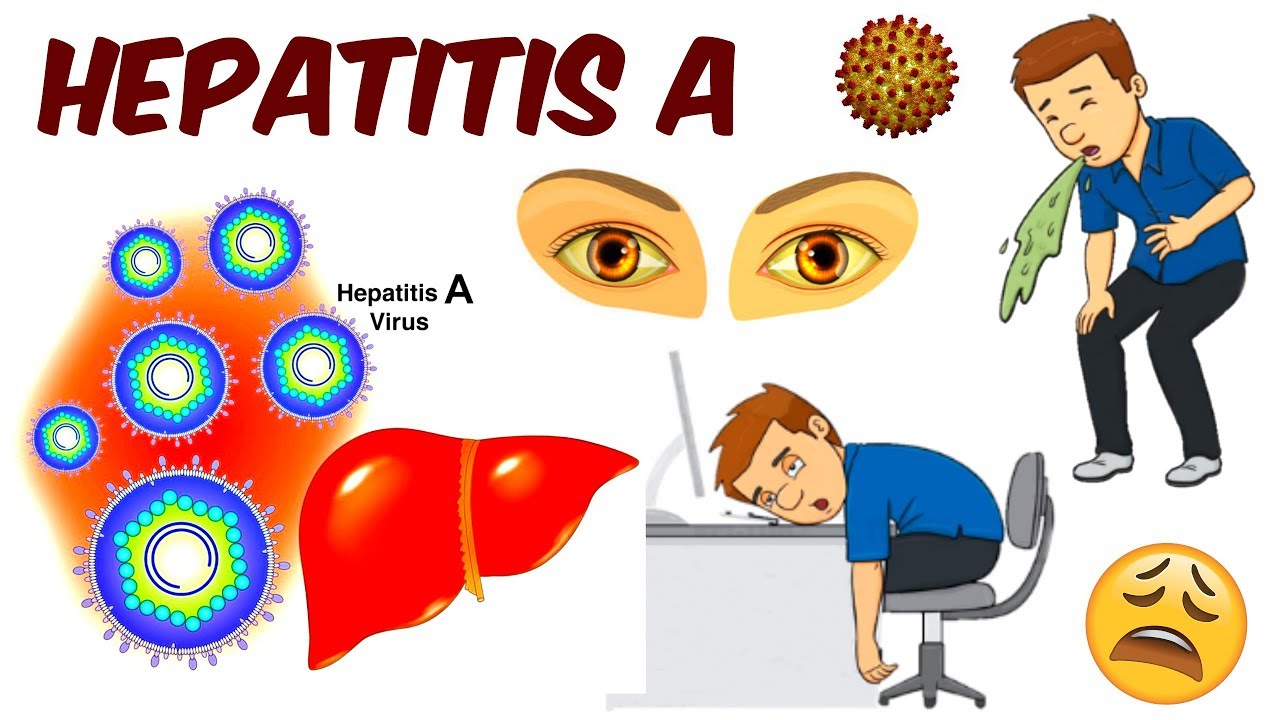
Hepatitis A is a liver inflammation caused by the hepatitis A virus (HAV) that is highly prevalent in Pakistan. It’s endemic in the country due to a lack of clean water, proper sanitation, and disinfection systems. The virus spreads most commonly through the fecal-oral route, and the risk of infection increases in areas with poor hygiene, overcrowding, and unsafe water. Hepatitis A is thought to infect almost all persons living in Pakistan by age 15 years, and hepatitis E is responsible for sporadic infections and outbreaks.
Transmission
The hepatitis A virus is transmitted primarily by the faecal-oral route; that is when an uninfected person ingests food or water that has been contaminated with the faeces of an infected person. In families, this may happen though dirty hands when an infected person prepares food for family members. Waterborne outbreaks, though infrequent, are usually associated with sewage-contaminated or inadequately treated water. The virus can also be transmitted through close physical contact (such as oral-anal sex) with an infectious person, although casual contact among people does not spread the virus.
Symptoms
The incubation period of hepatitis A is usually 14–28 days.
Symptoms of hepatitis A range from mild to severe and can include fever, malaise, loss of appetite, diarrhoea, nausea, abdominal discomfort, dark-coloured urine and jaundice (a yellowing of the eyes and skin). Not everyone who is infected will have all the symptoms.
Adults have signs and symptoms of illness more often than children. The severity of disease and fatal outcomes are higher in older age groups. Infected children under 6 years of age do not usually experience noticeable symptoms, and only 10% develop jaundice. Hepatitis A sometimes relapses, meaning the person who just recovered falls sick again with another acute episode. This is normally followed by recovery.
Who is at risk?
Anyone who has not been vaccinated or previously infected can get infected with the hepatitis A virus. In areas where the virus is widespread (high endemicity), most hepatitis A infections occur during early childhood. Risk factors include:
- poor sanitation;
- lack of safe water;
- living in a household with an infected person;
- being a sexual partner of someone with acute hepatitis A infection;
- use of recreational drugs;
- sex between men; and
- travelling to areas of high endemicity without being immunized.
Diagnosis
Cases of hepatitis A are not clinically distinguishable from other types of acute viral hepatitis. Specific diagnosis is made by the detection of HAV-specific immunoglobulin G (IgM) antibodies in the blood. Additional tests include reverse transcriptase polymerase chain reaction (RT-PCR) to detect the hepatitis A virus RNA and may require specialized laboratory facilities.
Treatment
There is no specific treatment for hepatitis A. Recovery from symptoms following infection may be slow and can take several weeks or months. It is important to avoid unnecessary medications that can adversely affect the liver, e.g. acetaminophen, paracetamol.
Hospitalization is unnecessary in the absence of acute liver failure. Therapy is aimed at maintaining comfort and adequate nutritional balance, including replacement of fluids that are lost from vomiting and diarrhoea.

Prevention
Improved sanitation, food safety and immunization are the most effective ways to combat hepatitis A.
The spread of hepatitis A can be reduced by:
- adequate supplies of safe drinking water;
- proper disposal of sewage within communities; and
- personal hygiene practices such as regular handwashing before meals and after going to the bathroom.
Several injectable inactivated hepatitis A vaccines are available internationally. All provide similar protection from the virus and have comparable side effects. No vaccine is licensed for children younger than 1 year of age. In China, a live attenuated vaccine is also available.
Disclaimer:
This article is for informational purposes only and should not be taken as a medical advice. While we hope you find this content useful, it is only intended to serve as a starting point. Your next step is to speak with a qualified, licensed health professional who can provide advice tailored to your individual circumstances. Nothing in this article, nor in any associated resources, should be construed as financial, medical or legal advice. Furthermore, while we have made good faith efforts to ensure that the information presented was correct as of the date the content was prepared, we are unable to guarantee that it remains accurate today.
Neither Sada-e-Watan (Melody Media Productions) nor its sponsoring partners make any warranties or representations as to the accuracy, applicability, completeness, or suitability for any particular purpose of the information contained herein.



























:sharpen(level=0):output(format=jpeg)/up/dt/2023/12/DT-WEB-Over-9000-new-HIV-cases-surface-in-Pakistan-in-2023.jpg)