
















Dr. Ramsha Zafar
Physician/Internal Medicine
Betrayed by Their Own Bodies:
The Silent Struggle of Pakistani
Women with Autoimmune Diseases
:اپنے ہی جسم سے دُھوکا
پاکستانی خواتین کی خودکار مدافعتی
بیماریوں کے ساتھ خاموش جدوجہد
: अपने ही शरीर से धोखा खाया
पाकिस्तानी महिलाओं की ऑटोइम्यूनिटी
बीमारियों से मौन संघर्ष
“The worst battles are the ones we fight within ourselves—unseen, unheard, and misunderstood.”
“Strength is not just enduring pain; it is surviving in a world that refuses to acknowledge it.”
“When the body turns against itself, the greatest struggle is not just survival, but being believed.”
“Invisible illnesses do not mean invisible suffering.”
“Not all wounds are visible, and not all pain has a voice—but that does not make it any less real.”
“Autoimmune diseases are a silent betrayal—where the body, meant to protect, turns against itself without warning. Instead of fighting infections, the immune system begins attacking healthy tissues, mistaking them for the enemy. The result is a battle that rages within, unseen by others but deeply felt by those who suffer. It is not just an illness; it is a daily struggle against pain, fatigue, and the uncertainty of what part of the body might turn against them next.”

Autoimmune diseases are an increasingly prevalent health concern worldwide, yet they remain largely undiagnosed and poorly understood in Pakistan, particularly among women. Researchers are still perplexed as to why this ailment primarily affects women, especially as its prevalence among the population rises. These diseases occur when the body’s immune system mistakenly attacks its own tissues, leading to chronic inflammation, organ damage, and a host of debilitating symptoms.
Despite their serious impact on physical and mental well-being, autoimmune diseases in Pakistani women are often overlooked due to social, cultural, and medical barriers.
Understanding Autoimmune Diseases:
These diseases can target almost any part of the body, including joints, skin, nerves, thyroid, pancreas, and other vital organs.
The immune system’s normal White blood cells aid in defending the body from dangerous toxins, known as antigens. Antigen examples comprise viruses, bacteria, and poisons, cancerous cells, as well as tissues or blood from a different species or individual. The immune system generates antibodies that eliminate these harmful substances. In individuals with an autoimmune illness, the immune system is unable to tell the difference between healthy antigens and bodily tissue. The result is an immunological reaction that eliminates typical bodily tissues. This response is a hypersensitivity reaction similar to the response in allergic conditions.
Prevalence of Autoimmune Diseases in Pakistan:
Autoimmune diseases are more common in women, with studies suggesting that nearly 80% of autoimmune disease patients worldwide are female. In Pakistan, accurate data on autoimmune diseases is scarce due to insufficient research and lack of nationwide epidemiological studies. However, available hospital-based studies indicate a rising trend in autoimmune diseases among Pakistani women.
Possible reasons for the increasing prevalence include:
1. Genetic Susceptibility
Genetics play a crucial role in the development of autoimmune diseases. Individuals with a family history of autoimmune disorders are more likely to develop these conditions. In Pakistan, intermarriages within families also known as consanguineous marriages are common, which can increase the likelihood of inheriting genetic mutations that predispose individuals to autoimmune conditions. Studies have shown that having a first-degree relative with an autoimmune disease raises the risk significantly, emphasizing the need for genetic counseling and awareness in high-risk families.
Certain individuals are genetically predisposed to having autoimmune disorders. Multiple genes and risk factors contribute to this susceptibility. Many autoimmune disorders are thought to include three distinct gene groups. These genes relate to:
• Immunoglobulins
• T-cell receptors
• Major histocompatibility complexes (e.g., the HLA system).
Although a tendency to autoimmune illness might run in families, certain family members can be affected by distinct disorders, such as diabetes and rheumatoid arthritis.
2. Hormonal Factors
Women are significantly more affected by autoimmune diseases than men which suggests that hormonal influences play a major role in immune system regulation. Estrogen, the primary female sex hormone, is known to enhance immune responses, making women more susceptible to autoimmune diseases.
● Pregnancy and Autoimmune Diseases: Pregnancy causes dramatic hormonal fluctuations that can either exacerbate or temporarily suppress autoimmune conditions. For example, some women with rheumatoid arthritis experience symptom relief during pregnancy, only to suffer severe flare-ups postpartum.
● Menopause and Autoimmune Risk: The decline in estrogen levels during menopause can lead to the worsening of autoimmune diseases such as lupus and multiple sclerosis.
● Oral Contraceptives and Hormone Replacement Therapy (HRT): The use of hormonal medications can also influence immune system function, potentially triggering autoimmune reactions in genetically predisposed individuals.
3. Environmental Triggers
Environmental factors play a significant role in the development of autoimmune diseases. Various external triggers can initiate or worsen immune system dysfunction, including:
● Infections: Viral and bacterial infections can serve as catalysts for autoimmune diseases. Certain infections, such as Epstein-Barr virus (EBV), have been linked to lupus, multiple sclerosis, and rheumatoid arthritis.
● Pollution and Toxins: Exposure to environmental pollutants, including heavy metals (lead, mercury) and pesticides, can trigger immune system dysregulation. Air pollution, particularly in urban areas like Karachi and Lahore, has been associated with increased cases of autoimmune diseases.
● Stress and Psychological Factors: Chronic stress can weaken the immune system and contribute to autoimmune diseases. The societal pressures and emotional stress that Pakistani women face, such as managing household responsibilities alongside professional duties, may exacerbate the onset and severity of autoimmune disorders.
● Diet and Gut Health: Poor dietary habits, including excessive consumption of processed foods, high sugar intake, and nutrient deficiencies, can lead to inflammation and autoimmune dysfunction. A healthy gut microbiome is essential for immune regulation, and disruptions caused by unhealthy eating habits can increase susceptibility to autoimmune diseases.

4. Vitamin D Deficiency
Vitamin D plays a crucial role in regulating immune function and preventing autoimmune diseases. Research indicates that vitamin D deficiency is widespread in Pakistan, particularly among women who spend limited time in sunlight due to cultural and lifestyle practices. Factors contributing to vitamin D deficiency include:
● Limited Sun Exposure: Many women in Pakistan wear full-body coverings, reducing their skin’s ability to synthesize vitamin D from sunlight.
● Dietary Deficiency: The Pakistani diet often lacks vitamin D-rich foods, such as fatty fish, fortified dairy products, and egg yolks.
● Indoor Lifestyle: The increasing trend of indoor work and limited outdoor physical activity further exacerbates vitamin D deficiency.
Studies suggest that vitamin D supplementation can help regulate immune function and may reduce the risk of developing autoimmune diseases such as multiple sclerosis, rheumatoid arthritis, and lupus. Awareness campaigns promoting vitamin D testing and supplementation can significantly benefit public health in Pakistan.
Common Autoimmune Diseases:
There are more than 80 recognized autoimmune diseases, many of which disproportionately affect women. Some of the most common autoimmune diseases observed in Pakistani women include:

1. Rheumatoid Arthritis (RA)
● A chronic inflammatory disorder that primarily affects the joints, causing pain, swelling, and stiffness.
● Over time, RA can lead to joint deformities and loss of function.
● Women are two to three times more likely to develop RA than men.
● In Pakistan, a lack of early diagnosis results in severe disability and a reduced quality of life.
Among all risk factors, the strongest and most consistent evidence is for a link between smoking and RA. A history of smoking is related with a small to substantially higher risk of RA development. The strongest link between smoking and RA occurs in those who are ACPA-positive (anti-citrullinated protein/peptide antibodies), a sign of autoimmune activation. Hormones involved in reproduction have been intensively researched as potential risk factors for RA. 1. Early research suggests that women who have taken oral contraception (OC) have a lower risk of developing RA. Recent investigations have not confirmed the decreased risk. 2. Hormone replacement therapy (HRT): Mixed research suggests a link between HRT and RA onset. 3. Women who have never had a live baby are slightly to moderately more likely to have RA, according to most studies.
4. Breastfeeding: Research suggests that women who breastfeed have a lower risk of developing RA.
5. Menstrual history: Research suggests that women with irregular or shortened menstrual cycles, such as early menopause, are more likely to develop RA.
2. Systemic Lupus Erythematosus (SLE)
● A multi-system autoimmune disease that affects the skin, joints, kidneys, heart, and brain.
● Characterized by periods of flares and remissions, making it difficult to diagnose.
● Common symptoms include fatigue, joint pain, skin rashes, and organ inflammation.
● In Pakistan, lupus remains undiagnosed due to limited awareness and diagnostic facilities.
3. Multiple Sclerosis (MS)
● A neurological autoimmune disease that affects the central nervous system (brain and spinal cord).
● Causes muscle weakness, vision problems, balance issues, and cognitive impairment.
● MS is often misdiagnosed in Pakistan due to a lack of specialized neurologists and diagnostic equipment.
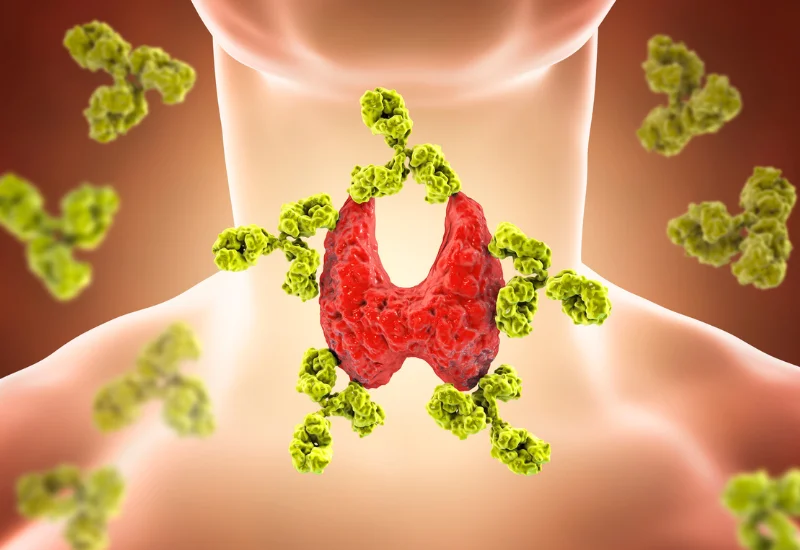
4. Hashimoto’s Thyroiditis
● An autoimmune disorder affecting the thyroid gland, leading to hypothyroidism.
● Common symptoms include weight gain, fatigue, depression, and hair loss.
● Women in Pakistan often attribute these symptoms to aging or stress, delaying diagnosis.
5. Type 1 Diabetes
● An autoimmune condition where the immune system attacks insulin-producing cells in the pancreas.
● Results in high blood sugar levels, requiring lifelong insulin therapy.
● Many young girls in Pakistan remain undiagnosed due to a lack of routine screening.
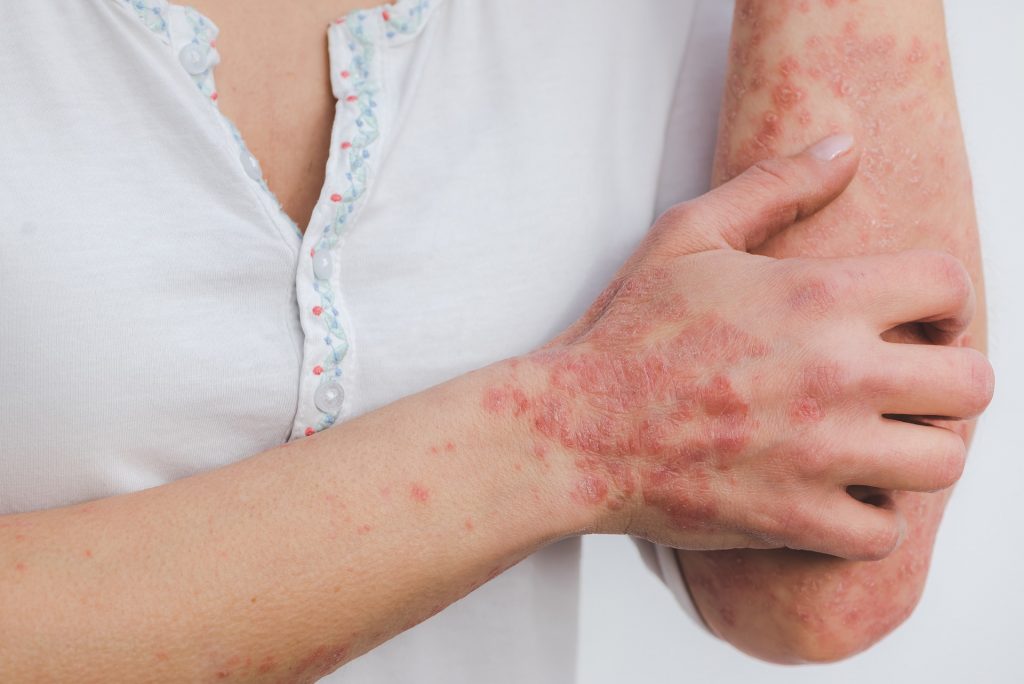
6.Psoriasis & Psoriatic Arthritis
Psoriasis is an autoimmune skin disease causing rapid skin cell buildup, while psoriatic arthritis affects the joints.
● Red, scaly patches on the skin
● Itching and burning sensations
● Joint pain and swelling (in psoriatic arthritis)
● Nail pitting or separation
7. Inflammatory Bowel Disease (IBD) – Crohn’s Disease & Ulcerative Colitis
Autoimmune inflammation of the gastrointestinal (GI) tract.
● Chronic diarrhea and abdominal pain
● Blood in stool
● Weight loss and malnutrition
● Fatigue
8. Graves’ Disease
The immune system over-stimulates the thyroid, leading to hyperthyroidism.
● Unintentional weight loss
● Rapid heartbeat (palpitations)
● Bulging eyes (exophthalmos)
● Anxiety and irritability
9. Celiac Disease
The immune system reacts to gluten, damaging the small intestine.
● Diarrhea and bloating
● Nutrient deficiencies (iron, calcium, vitamin D)
● Fatigue and brain fog
● Joint pain
10. Myasthenia Gravis
The immune system attacks the neuromuscular junction, leading to muscle weakness.
● Drooping eyelids
● Difficulty swallowing and speaking
● Weakness in arms and legs
● Shortness of breath

11. Addison’s Disease
The immune system attacks the adrenal glands, reducing hormone production.
● Extreme fatigue
● Low blood pressure
● Darkening of the skin
● Weight loss and nausea
12. Pernicious Anemia
The immune system destroys stomach cells that help absorb vitamin B12.
● Weakness and fatigue
● Numbness or tingling in hands and feet
● Pale or yellow skin
● Cognitive difficulties
13. Vasculitis
Inflammation of blood vessels, affecting circulation.
● Fever and fatigue
● Skin rashes and ulcers
● Joint and muscle pain
● Nerve damage (numbness and weakness)
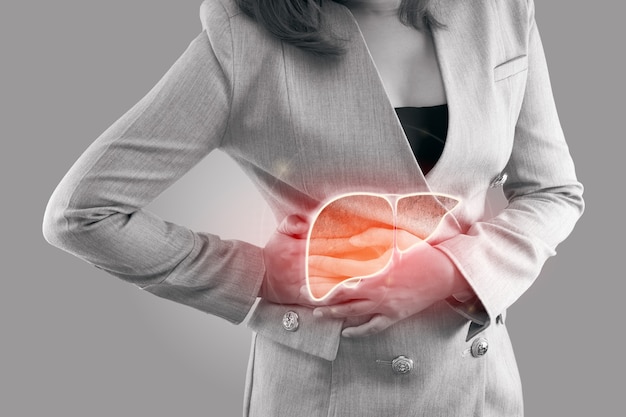
14. Autoimmune Hepatitis
The immune system attacks liver cells, causing inflammation.
● Jaundice (yellowing of skin and eyes)
● Dark urine and pale stools
● Abdominal pain
15. Dermatomyositis
Affects skin and muscles, leading to inflammation.
● Muscle weakness (difficulty climbing stairs or lifting arms)
● Red or purple skin rashes
● Joint pain and swelling
16. Scleroderma
The immune system causes excessive collagen production, hardening the skin and organs.
● Thick, hardened skin
● Difficulty swallowing
● Joint pain and stiffness
● Raynaud’s phenomenon (fingers turning white or blue in cold temperatures)
17. Antiphospholipid Syndrome (APS)
Causes abnormal blood clotting, leading to pregnancy complications and stroke risk.
● Recurrent miscarriages
● Blood clots in legs (deep vein thrombosis)
● Stroke or heart attack at a young age
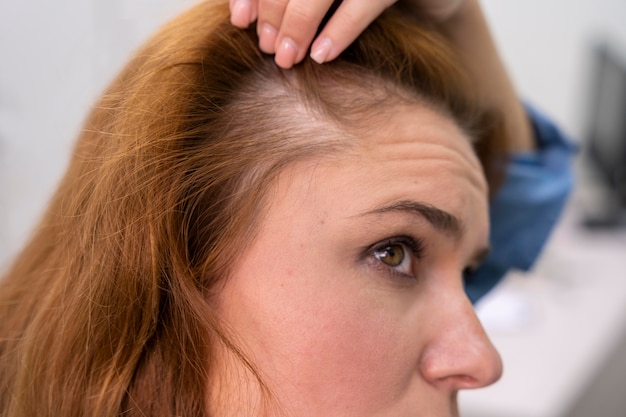
18. Alopecia Areata
The immune system attacks hair follicles, causing hair loss
● Patchy bald spots on scalp or body
● Brittle nails
● In some cases, total hair loss (alopecia totalis)
19. Goodpasture Syndrome
Attacks the lungs and kidneys, leading to bleeding and organ dama
● Coughing up blood
● Kidney failure (swelling in legs, blood in urine)
● Fatigue and weakness
Challenges in Diagnosis and Treatment of Autoimmune Diseases in Pakistani Women
Pakistani women encounter multiple obstacles when seeking diagnosis and treatment for autoimmune diseases. These challenges stem from a combination of social, cultural, and healthcare system limitations, making early detection and effective management difficult. The lack of awareness, social stigma surrounding chronic illnesses, and insufficient research into autoimmune diseases exacerbate the issue.
1. Lack of Awareness
A significant number of women in Pakistan remain unaware of autoimmune diseases, leading them to overlook early symptoms. Many attribute fatigue, joint pain, and general malaise to stress, aging, or household responsibilities rather than recognizing them as potential signs of an autoimmune disorder. This lack of awareness results in delayed medical consultation, allowing diseases to progress unchecked and causing severe complications before proper diagnosis and treatment can be initiated.
2. Limited Healthcare Facilities
Access to specialized healthcare is a major challenge, particularly in rural and remote areas. Most diagnostic centers and rheumatologists are concentrated in urban regions, leaving rural populations with limited options. Women in these areas often have to travel long distances to receive medical attention, which can be costly and time-consuming. Additionally, the lack of advanced diagnostic tools in smaller healthcare facilities further delays the identification of autoimmune diseases, leading to prolonged suffering and inadequate treatment.
3. Cultural Barriers
Cultural norms play a crucial role in the health-seeking behaviors of Pakistani women. Many women prioritize the health and well-being of their family members over their own, neglecting their symptoms until they become debilitating. Societal expectations often discourage women from discussing their health concerns openly, especially if the symptoms are perceived as non-life-threatening. Moreover, financial constraints in patriarchal households mean that men’s healthcare is often prioritized over women’s, making it difficult for them to seek timely medical intervention.
4. Misdiagnosis and Stigma
Autoimmune diseases are complex and often present with symptoms that mimic other conditions, such as fatigue, muscle pain, and digestive issues. Due to a lack of awareness among general physicians and limited diagnostic capabilities, many women experience frequent misdiagnosis, leading to inappropriate treatments that do not address the root cause of their condition. Additionally, there is a social stigma associated with chronic illnesses, as they are often misunderstood by family members and the community. Women with autoimmune diseases may face judgment, isolation, or even skepticism about the legitimacy of their symptoms, discouraging them from seeking further medical help.
Impact of Autoimmune Diseases on Quality of Life in Pakistani Women:
Autoimmune diseases significantly impact the physical, emotional, and social well-being of affected women, often leading to long-term challenges that affect every aspect of their lives. These conditions are not only physically debilitating but also come with psychological, financial, and social consequences, making it difficult for women to maintain a normal lifestyle.

1. Chronic Pain and Fatigue
One of the most distressing aspects of autoimmune diseases is persistent pain and fatigue, which severely limit daily activities. Conditions such as rheumatoid arthritis, lupus, and multiple sclerosis cause inflammation, joint stiffness, and muscle weakness, making even simple tasks like cooking, cleaning, or walking difficult. Chronic fatigue, a hallmark symptom of many autoimmune diseases, reduces energy levels, preventing women from fulfilling household responsibilities or professional duties effectively. This constant physical discomfort leads to frustration and dependency on family members, further lowering their self-esteem and confidence.
Mental Health Struggles:
The emotional toll of autoimmune diseases is profound, with many women experiencing depression and anxiety due to prolonged suffering and uncertainty about their condition. The unpredictable nature of symptoms where patients feel fine one day and extremely weak the next day causes emotional distress. The stigma and lack of understanding from family and society often result in feelings of isolation. Many women struggle with the psychological impact of losing
their independence, leading to low self-worth and, in severe cases, clinical depression. Additionally, the side effects of medications, such as corticosteroids, can contribute to mood swings and mental health issues, exacerbating their struggles.

3. Financial Burden
Autoimmune diseases require long-term management with regular doctor visits, diagnostic tests, and expensive medications. Many women, particularly in low-income households, find it challenging to afford continuous treatment. In Pakistan, where healthcare expenses are often paid out of pocket, the cost of immunosuppressive drugs, physiotherapy, and frequent medical checkups becomes overwhelming. The financial strain adds to the overall stress of managing the disease, forcing some women to forgo treatment altogether, leading to worsened symptoms and complications.
4. Work and Social Life Disruptions
Autoimmune diseases often lead to significant disruptions in both work and social life. Many women struggle to maintain regular employment due to frequent flare-ups, physical limitations, and medical appointments. Employers may not understand the severity of their condition, leading to discrimination or job loss. In addition, the fatigue and chronic pain make social engagements challenging, leading to withdrawal from social activities and strained relationships. Women may find it difficult to participate in family gatherings, travel, or engage in hobbies they once enjoyed, contributing to feelings of loneliness and isolation.
Treatment and Management Strategies for Autoimmune Diseases in Pakistani Women:
Managing autoimmune diseases requires a comprehensive approach that includes medical intervention, lifestyle adjustments, and alternative therapies. Since these conditions are chronic and often progressive, early detection and consistent treatment can significantly improve patients’ quality of life.

1. Early Diagnosis
Early detection plays a crucial role in preventing complications and improving outcomes for women with autoimmune diseases. Routine screenings, especially for individuals with a family history of autoimmune disorders, can help identify potential risks before symptoms become severe. Awareness programs, both at the community and national levels, are essential to educate women about common symptoms such as chronic fatigue, joint pain, and unexplained inflammation. Public health campaigns, workshops, and social media awareness initiatives can encourage women to seek medical help at an early stage, reducing the risk of delayed diagnosis and complications.
2. Medication and Therapy
Pharmacological treatment is the primary approach for managing autoimmune diseases, helping to control symptoms and prevent disease progression. Regular monitoring by rheumatologists and adjusting medication doses based on disease progression are essential to ensure effective symptom control with minimal side effects.
3. Lifestyle Modifications
Adopting a healthier lifestyle can significantly improve the well-being of women with autoimmune diseases. Certain lifestyle changes can help reduce inflammation, boost immunity, and improve overall physical and mental health. Key recommendations include:
● Anti-inflammatory Diet: A balanced diet rich in omega-3 fatty acids, antioxidants, and whole foods (such as fruits, vegetables, nuts, and fish) can help manage inflammation. Avoiding processed foods, refined sugars, and excessive dairy or gluten may also alleviate symptoms.
● Regular Exercise: Low-impact physical activities such as yoga, swimming, and walking can improve joint mobility, reduce stiffness, and enhance overall strength without causing excessive strain.
● Stress Management: Since stress can trigger autoimmune flare-ups, techniques such as meditation, deep breathing exercises, and adequate sleep are crucial for disease management. Women are encouraged to set boundaries, delegate responsibilities, and practice self-care to reduce stress levels.

4. Alternative Therapies
Many women in Pakistan are turning to alternative and complementary therapies to manage their symptoms alongside conventional treatment. While these therapies may not replace medical intervention, they can provide additional symptom relief and improve overall well-being. Popular alternative treatments include:
● Acupuncture: Helps reduce pain and inflammation by stimulating specific points in the body.
● Herbal Medicine: Certain herbs, such as turmeric, ginger, and ashwagandha, have anti-inflammatory properties that may benefit autoimmune patients. However, consultation with a healthcare provider is essential to avoid interactions with prescribed medications.
● Yoga and Meditation: Practicing yoga and mindfulness techniques can enhance flexibility, reduce stress, and improve emotional resilience, which is beneficial for autoimmune disease management.
Solutions for Reducing the Burden of Autoimmune Diseases in Women:
Effectively managing autoimmune diseases in women requires a multi-pronged approach that focuses on prevention, early detection, and comprehensive treatment. One of the first steps is understanding risk factors, including genetic predisposition, hormonal influences, environmental triggers, and lifestyle choices. Raising awareness about these risk factors through public health initiatives, educational programs, and community outreach can help women recognize early warning signs and seek medical attention promptly.
The next critical step is ensuring rapid and accurate diagnosis when symptoms appear. Since autoimmune diseases often mimic other conditions, misdiagnosis is common, leading to delayed treatment and unnecessary complications. To improve diagnostic accuracy, healthcare providers need specialized training in autoimmune disorders, and hospitals should be equipped with advanced diagnostic tools, such as autoimmune marker tests and imaging technologies. Routine screenings, especially for high-risk groups, can further aid in early detection.
Finally, monitoring treatment is crucial for ensuring long-term disease management and preventing complications. Regular follow-ups with rheumatologists and specialists allow for adjustments in medication, early detection of side effects, and timely interventions in case of disease flare-ups. Digital health tools, such as mobile apps for symptom tracking and telemedicine services, can further support continuous monitoring, especially for women in rural areas with limited healthcare access. By implementing these comprehensive solutions, the burden of autoimmune diseases in women can be significantly reduced, leading to improved quality of life and better long-term outcomes.

Conclusion:
Autoimmune diseases in Pakistani women are a silent epidemic that demands urgent attention. By increasing awareness, improving healthcare facilities, and investing in research, we can enhance early detection and treatment. A collective effort from medical professionals, policymakers, and society is crucial to addressing this growing health crisis effectively.
Even as the body turns against itself, a quiet resilience endures—a testament to the strength of those who endure unspoken battles every day. In acknowledging these hidden struggles, we not only honor the courage of Pakistani women but also ignite a call for change, empathy, and better care. Let this be a reminder: behind every silent struggle lies a story of survival waiting for recognition and compassion.
“In a society where suffering is expected of women, their pain is often dismissed as ordinary.”
“Autoimmune diseases do not just steal health; they steal dreams, independence, and dignity.”
“Every flare-up is a reminder that her greatest enemy is the one living inside her.”
Disclaimer:
This article is for informational purposes only and should not be taken as a medical advice. While we hope you find this content useful, it is only intended to serve as a starting point. Your next step is to speak with a qualified, licensed health professional who can provide advice tailored to your individual circumstances. Nothing in this article, nor in any associated resources, should be construed as financial, medical or legal advice. Furthermore, while we have made good faith efforts to ensure that the information presented was correct as of the date the content was prepared, we are unable to guarantee that it remains accurate today.
Neither Sada-e-Watan (Melody Media Productions) nor its sponsoring partners make any warranties or representations as to the accuracy, applicability, completeness, or suitability for any particular purpose of the information contained herein.












:max_bytes(150000):strip_icc()/VWH-JulieBang-STDSymptomsinWomen-Standard-b74dbd9c754f4dd4945c342872a408e4.jpg)