USA

USA

INDIA

India

BANGLADESH

BANGLADESH

NEPAL

Nepal

FIJI

FIJI

PAKISTAN

Pakistan

Melody Media Productions

Excellence in Broadcasting!

Pervez Saleem

(Producer/Director)

Social Issues

Shocking Rise in Divorce Rates in Pakistan – By Shagufta Mobeen

By Shagufta Mobeen
Educationist
M.Sc. in Zoology+B.Ed.

Shocking Rise in Divorce Rates in Pakistan
پاکستان میں طلاق کی شرح میں حیران کن اضافہ
पाकिस्तान में तलाक की दरों में चौंकाने वाली बढ़ोतरी

“Divorce isn’t such a tragedy. A tragedy’s staying in an unhappy marriage, teaching your children the wrong things about love.”
“Owning your own story and loving yourself through the process is the bravest thing that we’ll ever do.”
“I used to hope that you’d bring me flowers. Now I plant my own.”
“When my marriage ended, I realized I hadn’t been losing love, I’d been losing myself. Divorce gave me the space to hear my own voice again.”
“Let your hopes, not your hurts, shape your future.”

Introduction
In almost all cultures, marriage is both a sacred union of spouses and a social and legal contract. Divorce happens when a husband says talaaq to his wife. Khula is the dissolution of marriage by mutual consent and at the request of the wife. Marriage is a significant social institution in Pakistan, but in recent years, there has been a sharp rise in divorce and khula cases, causing a lot of concern for policymakers, social scientists and the general public.

Divorce and Khula on the Rise in Pakistan
Divorce and khula are on the rise in Pakistan. Reports said Punjab had 16,942 khula cases in 2014, which rose to 18,901 in 2016. Similarly, a 2017 report said about 21,000 khula cases were registered in Karachi and Lahore.

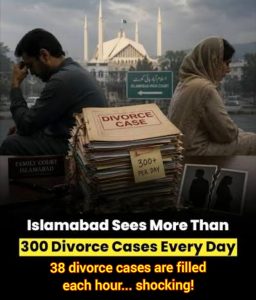
Things get even more alarming when we look at the latest data from Islamabad. The family courts of the federal capital are hearing a large number of divorce and maintenance cases. The courts say that, on average, 38 divorce-related cases are filed each hour during working proceedings. More than 45,000 divorce and khula cases have been filed in Islamabad since the beginning of the year. Officials say more than 300 new cases are being added each day, with monthly filings topping 9,000. Over the past three years the number of cases has grown from 85,000 in 2023 to over 100,000 in 2025.

Finding A Partner Beyond Strengths and Weaknesses

Marriage is a relationship between 2 souls who agree to be life partners of each other with all good and bad qualities. Nobody’s perfect, and a successful marriage requires patience, understanding and a willingness to grow together. The focus for spouses should be on supporting, guiding and encouraging positive change in each other rather than focusing only on each other’s faults.

Divorce should not be the first option; couples should try to resolve their differences through communication, tolerance and mutual respect. In some serious cases divorce might be necessary, but it should be the last option. So couples should try their best to save their relationship and build a stronger, healthier and harmonious family life.

Factors Affecting Marriage Dissolution
The following are the number of factors contribute to divorce and marital breakdown.

1. Insufficient Time and Communication of couples:
One of the primary causes of divorce is lack of communication and quality time for each other. Many husbands don’t give enough time to their wives because they are too busy with their jobs, businesses, friends, or other responsibilities. Women want to conversation to their husbands about their feelings, worries, and daily involvements. As a result of ignoring and discontent is a emotional detachment. In this modern era, the overuse of social media and cell phones has further diminished communication between husbands and wife. Misunderstandings lead towards separation or divorce. Therefore, mutual understanding, honest communication, and quality time is necessary for happy life.

2. Abuse and violence in the home.
One of the most frequent reasons for domestic violence is still divorce. Rosenbaum and O’Leary (1981) found that abusive marriages had rates of marital satisfaction that were significantly lower than those of non-abusive relationships.

A female respondent described her experience:
“My ex abused me physically and mentally. He was a psychotic patient. I remember him torturing me in various ways, such as burning my skin with a cigarette and a hot iron.

Another participant commented:
“The main reason I decided to end this toxic relationship was the mental and physical abuse.”
These experiences demonstrate how abuse erodes trust, emotional safety, and marital stability.

3: Sexual dysfunction and marital dissatisfaction.
Another big reason for divorce is sexual mismatch. In the responses, some partners concealed problems such as incapability, no sexual interest or sexual orientation prior to the marriage.

One respondent shared:
“My husband was very shy and didn’t want to get physical.”
Similarly, male participants expressed unhappiness with a lack of intimacy, which weakened emotional and physical bonds over time.

4: Family pressure and in-law interference.
Frequent mention is made of in-law interference as a significant source of marital conflict in Pakistan. Usually, excessive interference by family members in personal affairs leads to misunderstanding and conflict between spouses.

As one participant stated:
“My ex-mother-in-law had just one son, and she was so jealous she could not share him with me.
Another respondent said they liked each other, but the couple broke up when unwanted family involvement became an issue.

5: Temperamental Disparity.
Differences in personality, values, beliefs and goals in life can all cause marital breakdown. Many couples struggle to be on the same page when they see things very differently and have very different expectations.

One respondent noted:
‘Mental incompatibility was the final reason for separation. He was always putting me down and was jealous of my success.”
This incompatibility often results in ongoing strife and emotional separation between the couple.

Divorce kids Images - Free Download on Freepik

Hidden Victims of Divorce: Children
Among all the consequences of divorce, children often suffer the most. They are usually not involved in the conflicts between their parents, yet they are forced to live with the outcomes. Many children experience sadness, insecurity, and emotional stress when their parents separate. They need the presence, guidance, and affection of both parents for healthy development. For this reason, when children are involved, parents should try their best to resolve disagreements through patience, understanding, and mutual respect before deciding to separate.

Divorce in High-Conflict Marriages
Divorce is not good, but there are some situations in which it is good for our mental health. When there is a regular fight, abuse, violence or any type of stress which leads towards suicide or death, then separation is best for you; otherwise, try to handle married life with patience. Because without a life partner, life is also tough for males and females both. There are many cases of divorce in Pakistan.
Divorce happens only when there is not a happy and good situation with a partner. Many famous and rich people are also passing through divorced life.

Some names are mentioned below.
Famous Pakistani YouTuber Rajab Butt. He is a handsome and rich man, but after the birth of one son, Rajab Butt cannot build a home with his wife.

Pakistani actress Sara Chaudhry left the drama industry and developed herself into a hijab and abaya wearer. She lives with their husband according to cultural traditions of the husband, and she is a mother of five children, but unluckily she cannot stabilize a married life, and she got divorced and is spending her life as a single mother.

Some more Pakistani actresses, like Tooba Anwar, got divorced at a young age. Farah Sadia, Hina Altaf, Sanam Baloch, Sajal Ali, Sana Javed, Saira Yousaf, and Sara Bhatti, with Mikaal Zulfiqar and Fiza Ali, all got divorced and are spending their lives independently. So, when anyone is facing stress or threats to life, the divorce is necessary.

Divorce kids Images - Free Download on Freepik

Conclusion
The rising divorce rate in Pakistan shows a significant social challenge. Domestic violence, in-law interference, communication issues, and mental incompatibility are all factors of divorce. At the same time, divorce has serious side effects, including stress, financial problems and negative effects on children.

Marital issues can be reduced if husbands are willing to make positive changes in their attitude, seek proper counselling, learn skills of how to manage anger and improve their communication with their wives. Such change results in regulation and lower divorce rates.

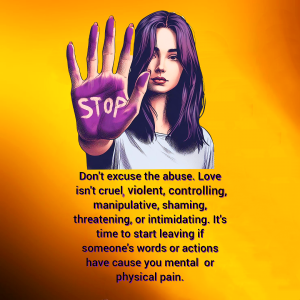
You may not think you are being abused if you’re not being hurt physically. But emotional and verbal abuse can have short-term and long-lasting effects that are just as serious as the effects of physical abuse. Emotional and verbal abuse includes insults and attempts to scare, isolate, or control you. It is also often a sign that physical abuse may follow. Emotional and verbal abuse may also continue if physical abuse starts. If you have been abused, it is never your fault.

A woman should consider getting a divorce when the relationship consistently undermines her safety, or well-being, or verbal or physical abuse and repeated attempts to resolve the issues have failed. 

The protection of life and dignity must take precedence over all other considerations.

Disclaimer:

Sada-E-Watan provides news and opinion articles as a service to our readers. These articles and news items come from sources outside of our organization. Where possible, the author and the source are documented within each article. Statements and opinions expressed in these articles are solely those of the author (reporter/newspaper) or authors (reporters/newspapers) and may or may not be shared by the staff and management of Sada-E-Watan. Sada-E-Watan was created to provide one convenient central location where a user can quickly scan headlines from many news sources. The headlines listed on Sada-E-Watan pages are links to stories on the sites where these stories are located. The goal of Sada-E-Watan is to help readers access stories on web sites that they would normally not have time to view on a regular basis and to add value to the news source sites by mentioning their name on top, so readers can view these sites.

The Sada-E-Watan takes no responsibility for any loss or damage suffered as a result of using the linked websites or as a result of using the information published on any of the pages of the linked websites.
Whilst every effort is made to ensure downloadable content is free from viruses, Sada-E-Watan cannot accept any liability for damages resulting from virus infection. You should take adequate steps to ensure your virus check regularly when using any device. If you have any questions or comments about Sada-E-Watan, please contact us at: radio@sada-e-watan.com.

By Shagufta Mobeen Educationist M.Sc. in Zoology+B.Ed. Shocking Rise in Divorce Rates in Pakistan پاکستان میں طلاق کی شرح میں حیران کن اضافہ पाकिस्तान में तलाक की दरों में चौंकाने वाली बढ़ोतरी “Divorce isn’t such a tragedy. A tragedy’s staying in an unhappy marriage, teaching your children the wrong things about love.” “Owning your own story and loving yourself through the process is the bravest thing that we’ll ever do.” “I used to hope that you’d bring me flowers. Now I plant my own.” “When my marriage ended, I realized I hadn’t been losing love, I’d been losing myself. Divorce gave me the space to hear my own voice again.” “Let your hopes, not your hurts, shape your future.” Introduction In almost all cultures,
Beyond The News Headlines: Perpetual Pandemic Of Misogyny In Pakistan

By Dr. Mahnoor Javed Janjua
        MBBS/MD
   Internal Medicines

Beyond The News Headlines:
Perpetual Pandemic Of Misogyny In Pakistan
:خبروں کی سرخیوں سے آگے
پاکستان میں عورت سے بیزاری ایک مسلسل وبائی بیماری ہے۔

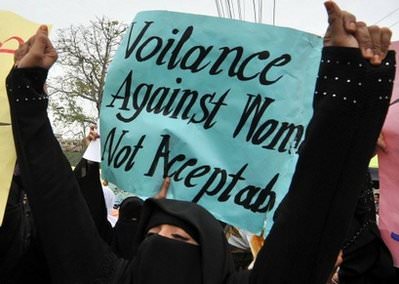
Women against violence Images - Free Download on Magnific (formerly Freepik) 

1. IT’S A NORMALCY OF UNTHINKABLE

Pakistan was born from a struggle for justice and a distinct identity, yet today it remains entangled in a war against a different kind of threat: systemic misogyny. This is not a series of isolated, unfortunate events; it is a structural pandemic. Consider the recent case in the Fattupura locality of Punjab, where a woman was kidnapped and gang-raped by four men. In many global contexts, this would be an unthinkable tragedy that halts national discourse. In Pakistan, such reports have become a “normal” facet of the media cycle. To understand why this violence persists, we must look past the individual headlines and examine the deep-seated structures that allow it to flourish.

Acid attacks in Pakistan represent a severe, gender-based epidemic where cheap, unregulated industrial chemicals are used by perpetrators to intentionally disfigure, blind, and socially isolate women. Driven primarily by deeply entrenched patriarchal dynamics and a desire to enforce masculine control, these attacks serve as a brutal tool of domestic punishment and revenge.

2. THE LEGAL PARADOX: EQUALITY ONLY ON PAPER

The gap between legal theory and lived reality in Pakistan is a chasm. Under Article 25 of the Constitution, equality is guaranteed to every citizen regardless of sex. However, for the average woman, this constitutional promise is effectively invisible. This failure is most evident in the way society bifurcates the “private” and “public” spheres. We often assume that the public sector—offices and state institutions—offers a refuge from the domestic “private” sphere, yet the 2010 Anti-Harassment Law remains largely unimplemented, leaving women at the “barrel of harassment” in their professional lives.

This divide fails because the dehumanization of women is structural; it does not stop at the office door. The safety of a professional environment is merely an illusion when the underlying cultural value system—the one that governs the home—remains unchanged. Because the same patriarchal actors operate in both spheres, institutional apathy becomes the default response to violence, leaving women to navigate a society that claims to protect them while frequently treating their victimization as an inconvenience.

3- THE 1979 TURNING POINT : HOW POLICY WEAPONIZES RELIGION

While gender disparities were exacerbated during the British Raj, the modern architecture of Pakistani misogyny was meticulously reinforced during the era of General Zia Ul Haq. This historical pivot is where institutional apathy was first codified into state identity. Post-1979, the “Islamization” of the state shifted the plight of women from a social issue to a religious one, fundamentally altering their legal standing.

The introduction of the Hudood Ordinances created a disastrous legal conflation between adultery and rape, leading to the mass incarceration of women who were victims of crime. During this era, the concept of ghairat (honor) was transformed into a tool of state-sanctioned control, reducing women to vessels for reproduction and stifling their autonomy. In the face of this “weight of censure,” however, a movement of resistance emerged. Kishwar Naheed, a titan of Urdu literature and a symbol of feminist defiance against Zia’s restrictions, captured this resilience:

“We sinful women are not afraid of the weight of censure.”

domestic violence women pakistan

4. THE LOOPHOLE CULTURE

Pakistan has attempted to “leash” misogyny through legislation, such as the Anti-Honor Killing Act (2016) and the Anti-Rape Ordinance (2021). On the surface, these represent progress. In practice, they are hamstrung by the technical “Qisas and Diyat” laws. These legal mechanisms for “blood money” and retribution provide a “window for escape,” allowing a culprit to be absolved if the victim’s family offers forgiveness—a common occurrence in a patriarchal structure where the killer and the “forgiver” are often the same person.

This legal leniency exists alongside entrenched cultural practices that effectively bypass the state’s authority, particularly in tribal regions:

* Ghairat (Honor): A justification used for over 1,000 murders annually.

* Vani: The practice of giving young girls as compensation to settle crimes committed by male relatives.

* Swara: Forced marriages used as a currency to settle inter-tribal or local disputes.

5.THE LITERACY GATE:EDUCATION AS STRATEGIC TOOL OF CONTROL

The statistics regarding education in Pakistan reveal a stark structural barrier: only 48% of women are literate, compared to 71% of men. This is not merely a byproduct of poverty; it is a “gatekeeping of the mind.” The source of this disparity is a deliberate “over-conservative tendency” that views female education as a threat to the status quo.

Eliminating violence against women: Pakistan's slow, painful journey

By framing literacy as a gateway to “Westernization,” the patriarchy uses education as a tool of control to keep women dependent and out of the labor force, where they currently make up only 22%. This gatekeeping is a strategic choice to maintain power. The advocacy of Malala Yousafzai serves as the primary counter-narrative to this trend, proving that education is not a “Western” import but the essential tool for dismantling structural barriers.

6. Reclaiming the Narrative THE MISINTERPRETATION WEAPON:RECLAIMING THE NARRATIVE

A significant weapon in the misogynist’s arsenal is the out-of-context citation of religious texts. While those who despise female autonomy use religion to justify their hatred, the foundational texts emphasize a shared origin and equality.

“O humanity! Be mindful of your Lord, Who created you from a single soul, and from it, He created its mate, and through both, He spread countless men and women…” (Surah 4, Verse 1)

Despite this, institutional interpretations often lean toward control. A prime example is the 2016 Council of Islamic Ideology (CII) judgment, which suggested that husbands could “lightly beat” disobedient wives. This is not ancient history; it is contemporary institutional behavior. This type of “out-of-context citation” serves as a conventional weapon for misogyny, giving a “lenient hand” to domestic violence under the guise of religious adherence.

The international community has taken note of this descent into barbarism. In the World Economic Forum’s Global Gender Gap Report 2025, Pakistan ranks 148th out of 148 countries. We are the absolute bottom. We are officially the least equitable place on Earth for a woman to exist. This ranking renders our 78th-anniversary celebrations not just hollow, but grotesque. How can a nation claim to be a rising power when it is a global benchmark for failure in the most basic duty of a state: the protection of its own citizens?

Brutal killing spotlights violence against women in Pakistan | AP News

7. CONCLUSION:DECONSTRUCTING CULTURAL HERITAGE

Misogyny in Pakistan is often mistakenly defended as “cultural heritage,” but the evidence suggests it is a structural crisis demanding urgent action. Addressing it requires more than just passing laws that contain built-in loopholes; it requires a total deconstruction of patriarchal behavior. This is not a “women’s issue”—it is a national prerogative that requires the engagement of men and women together to handle this defiling inequality.

National progress is a hallucination if half the population is actively despised. Our satellites and our nuclear warheads are meaningless toys if we cannot guarantee a girl the right to go to school or a woman the right to reject an advance without being shot in her own home. We are a nation that chooses cruelty over conscience and “honor” over humanity.

muslims-against-violence-against-women

Where is the outrage? Where is the collective fury of a government and a judiciary that claims to lead? Until we move beyond performative policy and address the bloodied track record of our own streets, our independence remains a farce. As we look at the wreckage of the past year, we must confront the question that the victims of this system would surely ask: What exactly are you celebrating this year?

We must support the NGOs and activists fighting for entitlements and reform the school curricula to focus on gender equality and human-friendly behavior. If we are to move toward a society where women live free of fear, we must address the root of the problem. How can we shift the national consciousness so that education and critical thinking are no longer feared as “Western,” but embraced as the only way to achieve true justice?

Disclaimer:

Sada-E-Watan provides news and opinion articles as a service to our readers. These articles and news items come from sources outside of our organization. Where possible, the author and the source are documented within each article. Statements and opinions expressed in these articles are solely those of the author (reporter/newspaper) or authors (reporters/newspapers) and may or may not be shared by the staff and management of Sada-E-Watan. Sada-E-Watan was created to provide one convenient central location where a user can quickly scan headlines from many news sources. The headlines listed on Sada-E-Watan pages are links to stories on the sites where these stories are located. The goal of Sada-E-Watan is to help readers access stories on web sites that they would normally not have time to view on a regular basis and to add value to the news source sites by mentioning their name on top, so readers can view these sites.

The Sada-E-Watan takes no responsibility for any loss or damage suffered as a result of using the linked websites or as a result of using the information published on any of the pages of the linked websites.
Whilst every effort is made to ensure downloadable content is free from viruses, Sada-E-Watan cannot accept any liability for damages resulting from virus infection. You should take adequate steps to ensure your virus check regularly when using any device. If you have any questions or comments about Sada-E-Watan, please contact us at: radio@sada-e-watan.com.

By Dr. Mahnoor Javed Janjua         MBBS/MD    Internal Medicines Beyond The News Headlines: Perpetual Pandemic Of Misogyny In Pakistan :خبروں کی سرخیوں سے آگے پاکستان میں عورت سے بیزاری ایک مسلسل وبائی بیماری ہے۔   1. IT’S A NORMALCY OF UNTHINKABLE Pakistan was born from a struggle for justice and a distinct identity, yet today it remains entangled in a war against a different kind of threat: systemic misogyny. This is not a series of isolated, unfortunate events; it is a structural pandemic. Consider the recent case in the Fattupura locality of Punjab, where a woman was kidnapped and gang-raped by four men. In many global contexts, this would be an unthinkable tragedy that halts national discourse. In Pakistan, such
Pakistan’s Transgender Community: Disregarded, Forced into Survival

By Ayesha Bashir
Master of Arts (MA)
English Literature

Pakistan’s Transgender Community:
Disregarded Yet Forced Into Survival
:پاکستان میں خواجہ سراوٴں کی کمیونٹی
نظر انداز، زندہ رہنے پر مجبور
पाकिस्तान का ट्रांसजेंडर समुदाय:
उपेक्षित, जीवित रहने के लिए मजबूर होना

 A Deep Investigation into the Lives, Struggles, and Resilience of Pakistan’s Khawaja Sira

JI seeks formation of medical board to recommend gender change instead of 'self-perceived identity' - Pakistan - DAWN.COM

There is a child somewhere in Pakistan right now perhaps eight years old, perhaps ten — who feels something that has no name in their household. They move a little differently. They speak a little softer. They reach for the wrong things, according to everyone around them. And slowly, quietly, the family begins to pull away. Not all at once. First the silence. Then the whispers. Then, one day — a door closed behind them that never opens again.

This is how the story of most Pakistani transgender individuals begins. Not with violence, not with law, but with something far more personal and far more devastating the withdrawal of love from the very people who were supposed to offer it unconditionally. And from that first rejection, everything that follows becomes a battle: for food, for shelter, for a kind word, for the right to simply be alive without apology.

Pakistan is home to an estimated 500,000 transgender people — though many advocates believe the real number is far higher, because when a community lives in the shadows, it is also uncounted. They are known as khawaja siras, as hijras, as moorat terms that carry history, culture, and in another era, even reverence.

In the crowded bazaars of Lahore, along the dusty streets of Karachi, and in the narrow alleys of Peshawar, there exists a community that has inhabited the subcontinent for thousands of years yet remains, to this day, one of the most systematically excluded groups in Pakistani society.

They are people who were born into a world that did not make room for them. They grew up in families that, in most cases, pushed them out. They were denied schooling, denied employment, denied housing, denied healthcare, and denied dignity. And yet, despite all of this, they survive. They carve lives out of the margins. They form their own families — gurus and chelays, teachers and students — and they build communities that provide the warmth and belonging the rest of society refused to offer.

SOCIETY: TRANS AND PREJUDICE - Newspaper - DAWN.COM

A Community Rejected by Society

The story of Pakistan’s transgender community does not begin in 1947, nor even with the arrival of Islam in the subcontinent. The hijra community has existed on this land for more than a thousand years. Historically, during the Mughal era, khawaja siras held significant social roles — they served as guardians of royal harems, as trusted advisors to kings, as performers, as spiritual figures. Their presence was not shameful; it was woven into the cultural and social fabric of South Asian civilization.

The degradation of their status began during the British colonial era, when the Criminal Tribes Act of 1871 classified hijras as a “criminal tribe,” effectively criminalizing their very existence. This colonial legislation accomplished something devastating: it transformed a recognized social group into a stigmatized, criminalized underclass. The communities that had previously shown them some deference even reverence were taught by colonial law and Victorian morality to see them as deviant, dangerous, and unworthy.

When Pakistan was created in 1947, the laws changed but the stigma did not. The new Islamic republic inherited both the British legal framework and a deeply conservative social culture that had little tolerance for gender nonconformity.

In Pakistan, the family is everything. It is the source of identity, protection, economic support, and social standing. To be rejected by one’s family is to be cut off from nearly every formal resource and informal safety net that Pakistani society offers.

A transgender child in Pakistan typically grows up masking their identity out of fear. When their gender identity becomes impossible to hide whether in childhood, adolescence, or early adulthood the consequences are swift and brutal. Parents routinely beat their transgender children. Siblings disown them. In many cases, particularly in rural areas, family members threaten violence or death to “protect” family honor. Even in cases where outright violence is not threatened, the message is clear: you do not belong here.

The result is that most khawaja siras in Pakistan leave or are forced out of their homes at a young age. Many are teenagers, sometimes younger. Alone in a world that has already decided they do not matter, they gravitate toward one of the only institutions that will accept them: the dera, or household, of an established khawaja sira guru.

The guru-chelay (teacher-disciple) system is the primary social structure of the transgender community in Pakistan. A guru takes in young, homeless khawaja siras, provides shelter, food, training, and protection. In return, chelays give a portion of their earnings to the guru and follow the household’s rules. This system has both its strengths and its profound flaws it creates community and belonging, but it can also enable exploitation, with some gurus extracting excessive earnings from their chelays or using their authority in coercive ways.

Still, for countless transgender individuals, the dera is the only home they have ever known. It is the place where they were finally, for the first time, called by the name and pronoun that matched who they actually were.

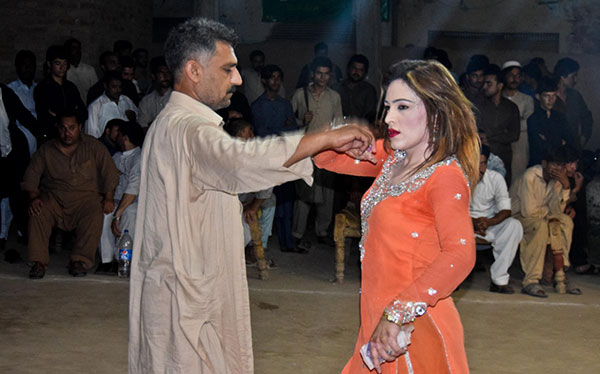
Members of the Pakistani transgender community attend a party in Peshawar.─AFP

A History of Legal Invisibility

Before the landmark Transgender Persons (Protection of Rights) Act of 2018, Pakistan’s transgender community existed in a legal void. They could not easily obtain CNICs (Computerized National Identity Cards) that reflected their gender identity. Without a CNIC, a person cannot open a bank account, register to vote, own property, get a SIM card, access most formal employment, or enroll children in school. In effect, they were citizens without citizenship present in the country but invisible to the state.

The Supreme Court of Pakistan’s 2009 ruling was a turning point. Chief Justice Iftikhar Chaudhry ordered that khawaja siras be registered as a “third gender” by NADRA (National Database and Registration Authority), that they be included in the census, and that their rights to inheritance and social protection be recognized. This ruling was genuinely significant — it was one of the first times the Pakistani state formally acknowledged the existence and rights of the transgender community.

The 2018 Transgender Persons (Protection of Rights) Act went further. It allowed individuals to self-identify their gender, prohibited discrimination in employment, education, and healthcare, and called for the establishment of special protection cells. On paper, it was landmark legislation.

But laws on paper and laws in practice are two very different things in Pakistan. The community celebrated the 2018 Act, and then waited for its implementation waiting that, in many cases, continues to this day.

Limited Access to Employment: When Every Door Is Closed

One of the most concrete expressions of societal rejection is economic exclusion. Pakistan’s transgender community faces discrimination at virtually every level of the formal employment market.

It begins, for most, with education. Many khawaja siras are forced out of their families and therefore out of school before they can complete their basic education. Those who remain in school face relentless harassment from classmates and, often, from teachers. The psychological toll of daily humiliation causes many to drop out voluntarily. The result is that a large proportion of Pakistan’s transgender community has limited formal education, which further restricts their access to skilled employment.

But education alone would not open most doors. Even highly educated transgender individuals face blatant discrimination in hiring. Employers routinely reject transgender applicants. Those who are hired often face hostile workplaces harassment from coworkers, humiliation from managers, and pressure to hide or deny their identity. Many are fired when their gender identity becomes known. Others find that the formal workplace is simply not a viable option; the daily degradation is too heavy a price to pay for a salary that often is not sufficient anyway.

Video Courtesy: DW Documentary/YouTube

Banks deny transgender individuals loans and accounts or subject them to such harassment that they avoid financial institutions entirely. Landlords refuse to rent to them. In markets and shops, they are frequently followed, accused of theft, or simply asked to leave. Even basic public spaces parks, restaurants, transport can become sites of harassment and violence.

This leaves the community with a narrow set of economic options, all concentrated in the informal and often dangerous margins of the economy.

The Tradition of Badhai and Performance

The most historically rooted livelihood of Pakistan’s khawaja sira community is badhai the tradition of performing and collecting donations at celebrations such as weddings, births, and other auspicious occasions. For centuries, the arrival of a group of khawaja siras at a wedding was considered auspicious, even spiritually significant. Their blessings were believed to carry special power; their curses were feared. This gave the community a form of social leverage that, while not equal to mainstream respect, at least constituted a recognized role.

Today, badhai still exists, but its character has transformed. The spiritual reverence that once accompanied it has largely dissolved, replaced by a mixture of grudging tolerance, entertainment-seeking, and often naked contempt. Khawaja siras are invited or arrive uninvited at weddings and birth celebrations to dance and perform. They clap in the distinctive rhythmic style known as thaali, they dance to popular music, and they accept money from the hosts and guests.

The wedding circuit performing at shaadis, mehndis, and birth celebrations remains one of the primary incomes of Pakistan’s transgender community. But it is irregular, seasonal, often dangerous, and rarely adequate.

Members of the Pakistani transgender community dance at a party in Peshawar.─AFP

Begging as Survival

When the income from badhai is insufficient and it often is many khawaja siras turn to begging. This is not a choice; it is what remains after everything else has been taken away. They beg at traffic signals, at shrines, at bus stations, and in markets.

The experience of begging for transgender individuals in Pakistan is layered with particular humiliation.

Society’s Hypocrisy on Full Display

A significant proportion of Pakistan’s khawaja sira community engages in sex work. This is not a secret; it is well documented by researchers, health organizations, and advocacy groups. But the conversation that Pakistani society has about this reality is almost entirely dishonest.

Sex work is not a choice that transgender individuals in Pakistan make freely and joyfully. It is, for the most part, what remains when every other door has been closed. When you cannot get a formal job, when your family will not help you, when education was denied to you, when housing is denied to you, when banks will not serve you — what is left? The body. It is the one thing that belongs to you and that you can offer in exchange for survival.

Transgender sex workers in Pakistan typically operate in the most dangerous and informal segments of the sex trade. They work in dark streets, in rented rooms, in the margins of cities where law enforcement either ignores them or actively exploits them.

The intersection of transgender sex work and public health in Pakistan is a critical and deeply neglected issue. Khawaja sira sex workers in Pakistan face extremely elevated risks of HIV and other sexually transmitted infections. Studies by organizations have found HIV prevalence among transgender in Pakistan to be among the highest in Asia somewhere between 7% and 11% in various studies, compared to a general population prevalence of well under 1%.

It is at this point that the conversation usually turns dishonest. When this data is raised in public discourse, the framing is typically one of blame: transgender individuals are portrayed as vectors of disease, as threats to public health, as people who spread HIV to “innocent” people. This framing is not only cruel it is epidemiologically backwards.

HIV does not spread because transgender women exist. HIV spreads through unprotected sexual contact and needle sharing. The question is not why transgender carry HIV; the question is who they are having sex with and the answer, for the most part, is the men of Pakistani society.

Video: Courtesy Cricket Pakistan/YouTube

The clients of transgender sex workers in Pakistan are, overwhelmingly, cisgender men. These men engage in sex with transgender under cover of darkness and social denial. Pakistan’s deep cultural shame around sexuality means that men who have sex with transgender rarely identify as gay or bisexual; they maintain heterosexual identities while seeking out transgender sex workers on the side. They even refuse to be tested for HIV because testing requires confronting a reality they are not prepared to face.

The result is a transmission dynamic in which the burden of disease is placed almost entirely on the transgender sex worker through stigma, through blame, through denial of healthcare while the clients who form the actual bridge between the transgender community and the general population are protected by social denial.

This structural hypocrisy must be named clearly: Pakistani society, particularly its men, is far more responsible for the health crisis within and around the transgender community than the community itself.

Members of the Pakistani transgender community attend a party in Peshawar.─AFP

The Everyday Terror

No account of the lives of Pakistan’s transgender community would be complete without a sustained engagement with violence. Violence is not an exception in their lives; it is the background condition against which they live every day.

Physical assault is common. Transgender women are beaten on the streets, in their homes, by clients, by police, by strangers, and sometimes by family members who feel their existence is a stain on family honor. Reports compiled by organizations like Trans Action Pakistan and Blue Veins have documented hundreds of cases of violent assault against transgender individuals in recent years. The actual number is certainly far higher, as the vast majority of attacks go unreported.

The police who should be the first responders to violence are themselves frequently perpetrators. Transgender women report routine extortion by police officers, who demand money or sexual favors in exchange for being allowed to live and work without arrest. In many documented cases, police have arrested transgender women who came to file a complaint, charging them under vague public nuisance provisions.

Sexual violence is endemic. Transgender are among the most likely populations in Pakistan to be raped. police do not take such reports seriously, medical facilities are rarely trained to deal with transgender assault survivors with dignity, and the legal system provides no meaningful recourse.

Healthcare and Social Challenges

Healthcare in Pakistan is a challenge for most of the population but for the transgender community, accessing even basic medical care involves a gauntlet of humiliation, discrimination, and outright refusal of service that makes illness significantly more dangerous.

The first barrier is economic. Most transgender individuals in Pakistan live below or near the poverty line. Formal healthcare is expensive, and the public health system, while theoretically free at the point of access, is chronically underfunded and understaffed. The community has very limited ability to pay for medication, specialist consultations, or hospital stays.

This has a predictable and devastating impact: transgender individuals avoid healthcare until their conditions are critical. What would be a routine infection becomes a serious illness. What would be a manageable chronic condition becomes an emergency.

Mental health consequences are severe and largely unaddressed. Research consistently shows that transgender individuals who face high levels of discrimination, family rejection, and violence experience elevated rates of depression, anxiety, PTSD, and suicidal ideation. The psychological trauma of being rejected by one’s family, beaten on the streets, and denied basic dignity accumulates over a lifetime.

There are no specialized clinics for transgender health in most of Pakistan’s public health system. The few organizations that have tried to establish such services primarily NGOs have faced threats and harassment from conservative religious groups and local authorities.

HIV care is a particular crisis. Despite very high HIV prevalence in the community, antiretroviral therapy (ART) is difficult to access. Stigma at treatment centers means that transgender individuals often cannot access treatment without disclosing their identity in ways that expose them to discrimination.

Rights on Paper, Not Always in Practice

The 2018 Transgender Persons (Protection of Rights) Act was, by any measure, a piece of progressive legislation. It was described at the time as among the most comprehensive transgender rights laws in the world. But the gap between the Act’s provisions and its implementation has been massive.

Registration with NADRA, while improved, remains complicated. Many transgenders remain unregistered because they lack the documents, the knowledge, or the physical access to registration facilities Identity cards that accurately reflect gender identity are still not universally available.

Employment protection clauses exist in the Act, but no enforcement mechanism has teeth. No employer has, to public knowledge, faced meaningful legal consequences for discriminating against a transgender employee. The Act’s requirement that government and private employers create quotas for transgender workers has not been implemented in any meaningful way.

This backlash reflects a wider cultural reality: legal reform, however well-crafted, cannot by itself shift deeply held social attitudes.

Children and Education

One of the most troubling aspects of the exclusion of Pakistan’s transgender community is the way it perpetuates itself across generations. The denial of education to young transgender individuals is not simply a problem for those individuals it is a mechanism by which the community is kept permanently vulnerable.

Several NGOs have attempted to run alternative education programs for transgender individuals, with some success. Literacy classes, vocational training programs, and computer skills workshops have been offered in various cities. The results, where programs have been sustained, are encouraging — transgender individuals who gain marketable skills can and do find employment in salons, as tailors, as makeup artists, in NGO work, and in other sectors. But these programs are small, underfunded, and unable to reach the full scale of the community’s

The community has made its choice. It has chosen to survive, to organize, to demand, and to persist. The rest of society must now decide what its choice will be.

You can merge both sections into a stronger concluding section that moves from solutions to the broader moral responsibility of society:

From Inclusion to Justice: The True Test of Society

Justice for Pakistan’s transgender community does not require extraordinary solutions; it requires the consistent application of rights, opportunities, and protections that should already be available to every citizen. Meaningful justice would include equal access to employment, education, healthcare, legal protection, and social welfare. It would mean enforcing anti-discrimination laws, creating safe and inclusive schools, providing respectful healthcare services, ensuring protection from violence, and recognizing transgender individuals as full participants in the nation’s economic and social life. Most importantly, it would require a cultural transformation that replaces exclusion and prejudice with dignity, respect, and understanding.

Yet these reforms represent more than policy changes—they represent a test of Pakistan’s collective values. The way a society treats its most vulnerable members reveals its true character. For generations, Pakistan’s transgender community has faced systemic exclusion despite legal recognition and historical visibility. The gap between constitutional promises and lived reality remains wide, leaving many transgender individuals vulnerable to poverty, violence, discrimination, and social isolation.

Pakistan’s khawaja sira community has never been invisible. They are present in public spaces, workplaces, courts, advocacy movements, and cultural traditions. Their lives, struggles, and contributions are woven into the fabric of society. What they seek is not special treatment but equal recognition of their humanity, dignity, and citizenship.

95 per cent of khawaja saras work as sex workers. ─ Photo courtesy: Trans Action Khyber Pakhtunkhwa

The challenge before Pakistan is therefore not whether transgender individuals deserve inclusion they unquestionably do. The real question is whether society, its institutions, religious leaders, policymakers, and citizens are willing to confront longstanding patterns of exclusion and choose a different path. There is no neutral position in this struggle. Every policy that excludes, every act of discrimination that goes unchallenged, and every opportunity denied reinforces injustice. Conversely, every effort to include, protect, and empower transgender individuals strengthens the principles of equality and human dignity upon which a just society must be built.

Ultimately, the future of transgender rights in Pakistan will not be determined solely by legislation but by the willingness of society to translate legal recognition into lived equality. Justice will be achieved when transgender individuals are no longer forced to fight for basic acceptance, but can live, work, learn, and thrive as equal members of the communities they have always belonged to.

Disclaimer:

Sada-E-Watan provides news and opinion articles as a service to our readers. These articles and news items come from sources outside of our organization. Where possible, the author and the source are documented within each article. Statements and opinions expressed in these articles are solely those of the author (reporter/newspaper) or authors (reporters/newspapers) and may or may not be shared by the staff and management of Sada-E-Watan. Sada-E-Watan was created to provide one convenient central location where a user can quickly scan headlines from many news sources. The headlines listed on Sada-E-Watan pages are links to stories on the sites where these stories are located. The goal of Sada-E-Watan is to help readers access stories on web sites that they would normally not have time to view on a regular basis and to add value to the news source sites by mentioning their name on top, so readers can view these sites.

The Sada-E-Watan takes no responsibility for any loss or damage suffered as a result of using the linked websites or as a result of using the information published on any of the pages of the linked websites.
Whilst every effort is made to ensure downloadable content is free from viruses, Sada-E-Watan cannot accept any liability for damages resulting from virus infection. You should take adequate steps to ensure your virus check regularly when using any device. If you have any questions or comments about Sada-E-Watan, please contact us at: radio@sada-e-watan.com.

By Ayesha Bashir Master of Arts (MA) English Literature Pakistan’s Transgender Community: Disregarded Yet Forced Into Survival :پاکستان میں خواجہ سراوٴں کی کمیونٹی نظر انداز، زندہ رہنے پر مجبور पाकिस्तान का ट्रांसजेंडर समुदाय: उपेक्षित, जीवित रहने के लिए मजबूर होना  A Deep Investigation into the Lives, Struggles, and Resilience of Pakistan’s Khawaja Sira There is a child somewhere in Pakistan right now perhaps eight years old, perhaps ten — who feels something that has no name in their household. They move a little differently. They speak a little softer. They reach for the wrong things, according to everyone around them. And slowly, quietly, the family begins to pull away. Not all at once. First the silence. Then the whispers. Then, one day — a
Verbal Abuse Is Just as Harmful as Physical Abuse. Uncovering The Cycle of Emotional Abuse of Women in Pakistani Society.

By Shagufta Mobeen
Educationist
M.Sc. in Zoology+B.Ed.

Verbal Abuse Is Just as Harmful as Physical Abuse.
Uncovering The Cycle of Emotional Abuse of Women in Pakistani Society.
زبانی بدسلوکی اتنی ہی نقصان دہ ہے جتنی کہ جسمانی زیادتی۔
پاکستانی معاشرے میں خواتین کے ساتھ مُسلسل جذباتی زیادتی کا پردہ فاش کرنا۔
मौखिक दुर्व्यवहार भी शारीरिक दुर्व्यवहार जितना ही हानिकारक है।
पाकिस्तानी समाज में महिलाओं के भावनात्मक दुर्व्यवहार के चक्र का खुलासा।
 

“If we are to fight discrimination and injustice against women we must start from the home for if a woman cannot be safe in her own house then she cannot be expected to feel safe anywhere.”
“It was much easier to explain the veil than to answer questions about the wounds.”
“You can break a body, but you can never break a spirit that chooses to rise despite the hurt.”
“We cannot change the way society views women until we address the mixed messages we send about their value”
“When a girl is forced to endure such a violation, she learns to question everything about herself, her worth, her value, and her power.”
“My journey taught me that the most powerful tool in overcoming trauma is the will to speak, the courage to be heard”

The menace of emotional abuse and why a domestic violence bill is the need of the hour - Pakistan - DAWN.COM“He doesn’t have to hit you for it to be abuse. He can degrade,
humiliate, blame, curse, manipulate or try to control you. It’s still domestic violence.”

Why Some Men Use Verbal Abuse
Some men want to appear dominant within relationships and family settings, and these men want to lose the confidence of women, making her entirely dependent on them for her sense of truth and sanity. That’s how wicked men live in anger. A lack of emotional awareness and poor communication skills can further lead to verbal violence and disrespect. In many cultures, harsh language is mistakenly
associated with masculinity, causing emotional abuse are widely practiced in homes and relationships. Actually, men want a harmful level of control over women. Usually, when men reject women, they may use disrespectful language, which can deeply hurt a woman.

Verbal and emotional abuse inflict profound psychological harm that equals or exceeds physical violence. In Pakistani society, emotional abuse frequently forms a toxic, invisible cycle sustained by cultural, economic, and patriarchal pressures. Understanding how this dynamic operates is critical for breaking the silence and supporting survivors.

In Pakistan, men are generally considered superior, and women are treated like chattels who are expected to be dutiful to husbands and children, particularly as they lack economic security. The husband was the perpetrator the most often. Abuse was categorized as “verbal” when there was use of bad or abusive language, a loud tone, bullying, threatening (oral threats, intimidating behavior, gestures, or throwing or smashing things).

Page 16 | Female abuse Vectors - Download Free High-Quality Vectors from Freepik | FreepikIf we would treat each other with common courtesy,
we could make this world a much better place.

Perpetrators
The husband was the commonest perpetrator of violence (88%), often in combination with other members of his family. 58% of the cases were only with the husband. The second most common abuser among the other perpetrators was the mother-in-law (15%) working together with her daughter(s) or other son(s). Mothers-in-law incited or sparked violence against the victim by complaining to
the husband.

The Hidden Emotional Pain of Women
In many cases women suffer from severe emotional abuse in their own homes for years. They are constantly subjected to taunts, criticism, emotional blackmail, character assassination, humiliation and blame from their husbands and in-laws. Even after marriage, some women are pressurized to bring expensive gifts, money or other items from their parents’ home.
“If they do not meet these expectations, they are insulted, tortured emotionally and
treated unfairly.”

Some women are falsely accused, constantly blamed for household problems and mentally harassed, even though they try to keep peace in the family. The constant teasing, emotional abuse and mental cruelty slowly eat away at their confidence and emotional well-being, leaving them emotionally drained and broken. Physical violence was experienced by women, usually in combination with verbal and/or psychological abuse. Mild forms were slapping, pulling hair, pushing or shoving, grabbing, hitting with an object and twisting the arms, while severe forms were kicking, punching, suffocating, intentional burns, hitting that resulted in fracture or injury to a vital organ. Physical injury in pregnancy was also reported.

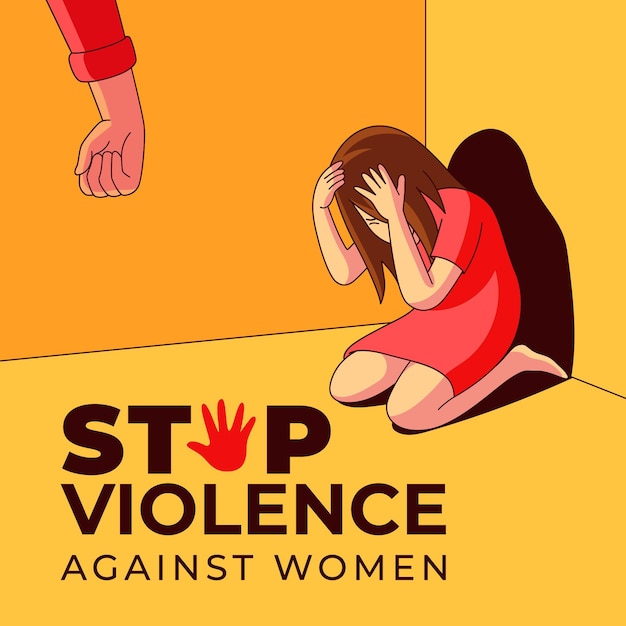
Stop violence against women, international women's day vector illustration | Premium Vector“Verbal abuse is still abuse. It’s abuse in the form of words.
Don’t assume that a few hurtful words won’t cost them their life. Words hurt.”

Real Cases of Domestic Violence in Pakistan
There are many cases in Pakistan in which females try to be suicidal and try to kill themselves due to their husbands who don’t care for their women.

The Case of Police Officer Mary Rose in Rahim Yar Khan
In RAHIMYAR KHAN: A young police officer committed suicide here reportedly due to domestic issues due to apparent problems with her husband. The last few chilling words written by the sub-inspector to her mother before she committed suicide were:
“Please pray my soul is taken away peacefully. Marry my daughters to someone
who can take responsibility.”

Mary Rose, a mother of two, is said to have taken the extreme step because of
some domestic problems with her husband.

The Noor Mukadam Murder Case in Islamabad
IN ISLAMABAD: In 2021 a brutal murder happened in Islamabad. She was brutally killed by a man, Zahir Jaffer. This was an horrific incident. She was actually beheaded. When anyone listens, they feel goosebumps on their body.

The Sania Zahra Case in Multan
In Multan: In 2024 a very beautiful girl was murdered by her husband. She is the mother of two sons. Her father accused her of being a victim of domestic violence, mental stress and continuous emotional abuse. Sania Zahra gave birth to a son, but after some time her husband allegedly started physically and emotionally abusing her and pressuring her to bring property and financial support from her parents, her father said. After constant abuse, Sania returned to her parents’ house and even filed for divorce in court. But she returned to her husband’s house for the sake of her child after consulting both families.

Her father also said the abuse and violence continued after she returned. On July 9, police informed the family that Sania’s body was discovered in her bedroom at her in-laws’ house in Multan. The family said when her mother and relatives arrived at the scene, they allegedly saw signs of physical violence on her face and body. Cases like Sania Zahra in Pakistan also show emotional abuse, humiliation, constant pressure and toxic family environments can take on women’s mental and emotional health.

Page 11 | No violence against women Images - Free Download on Freepik“It is not the bruises on the body that hurt.
It is the wounds of the heart and the scars on the mind.”

Statistics and Research on Domestic Violence in Pakistan
Studies in Pakistan have shown that emotional abuse is very common among married women. A study done in Pakistan found verbal violence as a significant public health problem, with 100% of the male respondents admitting to verbal abuse of their wives.
All Women reported as
Verbal Abuse 100%
Psychological abuse: 58%
Physical Violence 76%
Sexual Abuse: 12%

Overall, 39% of women experienced some form of economic control. This included withholding money from the victim or refusal to meet household expenses, control of the woman’s wages or assets and theft of valuable assets such as personal jewelry, land, etc. Economic abuse always occurred in conjunction
with other forms of violence.

According to UNFPA Pakistan, almost 34% of ever-married women in Pakistan suffered from physical, sexual or emotional violence at the hands of their spouses. Social pressure, fear of judgement, financial dependence, or concern for children are reasons why many victims do not report this abuse.

Pakistan is trailing most developing countries in women’s health and gender equity. The sex ratio is one of the most unbalanced in the world in favor of men, due to excess female mortality in childhood and during childbearing. Serious constraints on women’s use of the limited services available include limited mobility, decision-making power, income, and prohibitions on seeking care from male providers.

Women’s Reactions and Survival Strategies
Women’s reaction to abuse
Most of them (90%), at first, were silent.
58% responded, either by answering back or
56% spoke to someone.
28% moved back in with their parents.
26% took some legal action for separation/divorce.
17% said they went to visit a friend or relative just to get out of the home environment and tension.

Economic Dependence and Social Vulnerability of Women
Women took active steps to reduce the situation that led to abuse:
“I don’t ask for money anymore.”
“I have found a job.”
“I keep quiet now till he has cooled down and express my views later.”

More likely to accept the situation and continue to live with the husband rather than return to their parental home were individuals who had a poor family support system (parents dead or very poor).

In Pakistan women are dependent on men socially, culturally and economically. Based on this concept, the male member is the dominant member in the society, and the female members are expected to be docile. Men can exploit women’s vulnerabilities.

Why Emotional Abuse Should Not Be Considered a Private Matter
Domestic violence should not be regarded as a private matter either. It is a social problem, and its solution will require public policy, including appropriate legislation and protection of women’s rights. Isolation and protection of women’s rights.

The “cycle of violence” is a model that describes a pattern of predictable repeated domestic violence.

Uncovering the Cycle in Pakistani Society
Emotional abuse in Pakistan is deeply embedded in social structures, operating in a predictable, repetitive cycle:
1. The Mechanics of Abuse
Abuse rarely begins with a physical strike. It commonly takes the form of:
  • Controlling Behaviors: Monitoring social interactions, restricting mobility, and limiting financial autonomy.
  • Public and Private Humiliation: Slander, defamation, and consistent shouting in front of family members or in-laws.
  • Threats: Intimidation regarding divorce, snatching children, or inflicting further harm to maintain dominance.
2. The Cultural & Social Factors
The cycle persists in Pakistan due to severe social stigma and a patriarchal framework that often normalizes or enables the abuser:
  • Stigma of Divorce: The immense societal pressure to “keep the family together” is disproportionately placed on women.
  • Financial Vulnerability: With a large percentage of women discouraged or forbidden from working, financial dependency traps them in abusive environments.
  • Community Pressure: The fear of bringing shame to the natal home forces many women to hide or endure the abuse in silence.

Psychological violence (emotional violence) An action or set of actions that directly impair the woman's psychological integrity. Acts of psychological violence include: • Threats of violence and harm against the woman orTreat others how you want to be treated

The Unseen Effects of Verbal Abuse on Women

Verbal abuse of women includes behaviors intended to control, intimidate, shame, or emotionally harm women. This may include shouting, insulting, blaming, mocking, threatening, manipulation, public humiliation, and constant criticism. So, Women lost sense of happiness and emotional stability. Such emotional attack broken them from inside, even there are no visible physical injuries. Society often fails to recognize emotional abuse as serious harm; many women are expected to remain silent and tolerate such behavior. Women who are facing that Verbal abuse are believe that their existence is meaningless and they are not well meaning of anything Due to anxiety for their children, many women continue to tolerate abusive language and emotional mistreatment. In many societies, women are repeatedly advised to remain patient and silent, as if suffering quietly is a natural expectation placed upon them.

Emotional and Psychological Consequences
Women who are criticized by their men often face stress. With the passage of time, she may lose emotional warmth to express affection even within their families. Such women may feel insecure, mentally disturb, and unsafe about her future. She often lives in a constant state of anxiety, stress. Over time, she may begin to feel isolated, helpless, and emotionally trapped, even when no physical violence is involved. Affected mental health of women leading to depression, fear, chronic stress, and emotional fatigue. Long-term mentally stress also disturb hormonal balance and leads to health issues such as high blood pressure, diabetes, high cholesterol, Headache and sleep disorders. Emotional pain or stress does not remain limited to the mind it can gradually weaken the body as well.

Verbal abuse Images - Free Download on FreepikZero tolerance for disrespect towards women

Effects on Behavior and Lifestyle
Over time, victims of verbal abuse may lose interest in activities they once enjoyed. Facial expressions of women begin to diminish, reflecting fatigue and tiredness. Women’s motivation for self-care, hobbies, and personal well-being gradually decreases. Such women stop focusing on their appearance or personal growth and slowly lose the sense of joy and purpose in life.

Mental Health (Trauma & PTSD)
Verbal abuse can lead towards post-traumatic stress disorder, in which you hear the voice of verbal abuse or any critical words when no one is actually speaking. This is also called auditory verbal hallucination (AVH) and schizophrenia disease. Repeated verbal abuse can make individuals feel worthless, unwanted, and emotionally unsafe. Respectful communication, empathy, and emotional understanding are necessary for health. Without these, women feel mentally disturbed, and disturbance can lead towards suicide too. In short, verbal abuse is as harmful as physical abuse.


Conclusion

Verbal abuse is as punishable as physical violence. We should encourage kindness, respect and healthy communication. When we speak Openly about mental health, we can break shame that surrounds verbal abuse and build resilience. Awareness of the side-effects of emotional abuse is essential in our society. Constant criticism and human humiliation disturbed mentally peace and increases different psychological issues which is difficult to heal.

The situation is aggravated by poverty, ignorance, economic dependence and tradition. Pakistan’s national plan of action explicitly recommends “… measures to deter and address incidence of domestic and sexual violence”

Verbal and emotional abuse are not little family problems that can be swept under the rug or hidden behind the walls of a home. Just like the physical violence, the emotional abuse destroys a person’s confidence, peace of mind, emotional stability and sense of self-worth. Women are often expected to sacrifice their own happiness, to be patient and to endure disrespect in order to “save” relationships
and protect family honor. But silence and tolerance of abuse only reinforce the sick family.

Disclaimer:

Sada-E-Watan provides news and opinion articles as a service to our readers. These articles and news items come from sources outside of our organization. Where possible, the author and the source are documented within each article. Statements and opinions expressed in these articles are solely those of the author (reporter/newspaper) or authors (reporters/newspapers) and may or may not be shared by the staff and management of Sada-E-Watan. Sada-E-Watan was created to provide one convenient central location where a user can quickly scan headlines from many news sources. The headlines listed on Sada-E-Watan pages are links to stories on the sites where these stories are located. The goal of Sada-E-Watan is to help readers access stories on web sites that they would normally not have time to view on a regular basis and to add value to the news source sites by mentioning their name on top, so readers can view these sites.

The Sada-E-Watan takes no responsibility for any loss or damage suffered as a result of using the linked websites or as a result of using the information published on any of the pages of the linked websites.
Whilst every effort is made to ensure downloadable content is free from viruses, Sada-E-Watan cannot accept any liability for damages resulting from virus infection. You should take adequate steps to ensure your virus check regularly when using any device. If you have any questions or comments about Sada-E-Watan, please contact us at: radio@sada-e-watan.com.

By Shagufta Mobeen Educationist M.Sc. in Zoology+B.Ed. Verbal Abuse Is Just as Harmful as Physical Abuse. Uncovering The Cycle of Emotional Abuse of Women in Pakistani Society. زبانی بدسلوکی اتنی ہی نقصان دہ ہے جتنی کہ جسمانی زیادتی۔ پاکستانی معاشرے میں خواتین کے ساتھ مُسلسل جذباتی زیادتی کا پردہ فاش کرنا۔ मौखिक दुर्व्यवहार भी शारीरिक दुर्व्यवहार जितना ही हानिकारक है। पाकिस्तानी समाज में महिलाओं के भावनात्मक दुर्व्यवहार के चक्र का खुलासा।  “If we are to fight discrimination and injustice against women we must start from the home for if a woman cannot be safe in her own house then she cannot be expected to feel safe anywhere.” “It was much easier to explain the veil than to answer questions about the wounds.” “You can
The Rising Trend of Suicide in Pakistan: A Silent Crisis Demanding Urgent Action

By Musarat Akbar
Master of Arts (MA)
English Literature

The Rising Trend of Suicide in Pakistan:
A Silent Crisis Demanding Urgent Action
:پاکستان میں خُودکشی کا بڑھتا ہوا رُجحان
ایک خاموش بُحران فوری کارروائی کا مُطالبہ کرتا ہے۔
पाकिस्तान में आत्महत्या की बढ़ती प्रवृत्ति:
एक मूक संकट, जो तत्काल कार्रवाई की मांग करता है

Life is a precious gift from God, so we must cherish and value it. 

Life is indeed an amazing gift to those who realise it’s preciousness. Our life has meaning when we realise that it’s a gift, indeed an incredible gift. Life is a trajectory of both good and bad, life and death, joy and sorrow, war and peace. In this dialectical dilemma of our existential life, we are on a journey that is often complicated and less travelled. Life can be interesting and purposeful when we make it something fascinating.

Suicide in Pakistan: Addressing a Hidden Epidemic | Institute for Health Policy Leadership

The God wants life for his creatures. God graciously creates, sustains and cares for life at every stage – pre-born, infancy, adolescence, maturity and old age. But many people seek death by suicide rather than a life lived in difficult and distressing circumstances. God is a God of life, and he wants life for his creatures. Life is not a cosmic accident that came about by chance, random processes; it is the supernatural work of God. Each human therefore has inherent value and dignity. Despite this sanctity of human life, some people choose suicide.

The word suicide comes from the Latin sui (“of oneself”) and caedere (“to kill”). Thus the term refers to “the act or an instance of taking one’s own life voluntarily and intentionally.” One who dies in this way does so because he has willfully decided to die, contrives the means by which his death comes, and then carries out the fatal deed.

I Love My Life

In recent years, Pakistan has witnessed an alarming increase in suicide cases, transforming what was once considered a hidden and isolated issue into a pressing national concern. Behind every statistic lies a story of despair, emotional pain, and unmet needs. Suicide is not merely an individual act; it is a reflection of social, economic, and psychological pressures that overwhelm a person to the point where life appears unbearable. In Pakistan, where mental health remains stigmatized and support systems are limited, this crisis is growing in silence.

Understanding the Gravity of the Problem

Pakistan is a country known for strong family values, religious beliefs, and close-knit communities. Traditionally, these factors were thought to protect individuals from self-harm. However, modern realities have begun to erode these protective barriers. Financial hardship, unemployment, academic pressure, domestic conflict, social isolation, and untreated mental ages illnesses and forced marriage are increasingly pushing vulnerable individuals toward hopelessness.

Each day is a precious gift, filled with possibilities to learn, love, and cherish the moments that make life worth living.

The most concerning aspect is that many cases go unreported or are disguised as accidents due to social stigma and fear of legal or religious consequences. As a result, the true scale of the problem is likely much greater than what official figures suggest. The World Health Organization (WHO) estimated that in 2012 ,the rate of suicide in Pakistan was 7.5 per 100,000 people. In 2016 i.e. over 5,500 people ended their lives. According to Experts, the suicide mortality rate in Pakistan is expected to rise from 7.3 in 2019 to 9.8 per 100,000 by 2022. Current situation (2026): According to the latest survey ,45.7% people have suicidal thoughts and 9.9% have attempted it.

depressed woman with a lot of pillsSomeone with active suicidal thinking has specific thoughts about behaviors they could take to end their life.

Major Causes Behind the Rising Trend

1. Mental Health Disorders

Depression, anxiety, bipolar disorder, and substance abuse are among the leading psychological conditions associated with suicide. In Pakistan, many individuals suffer in silence because mental illness is often misunderstood or dismissed as weakness, lack of faith, or attention-seeking behavior. We saw the example of many CSS officers . Bilal Pasha a young talented CSS officer reportedly died by suicide. According to widely cited media reports, he sustained a self-inflicted gunshot wound to the head. Early rumors suggested a heart attack, but subsequent police statements and news coverage indicated that he had been experiencing significant mental stress and depression. According to ( WHO, 2019) 79% of these suicide occur in low -and middle -income countries where mental health condition such as depression and anxiety are often not recognized as serious illness. “Seeking help for mental health is not a sign of weakness; it is a sign of courage.” “Mental health needs a great deal of attention. It’s the final taboo and it needs to be faced and dealt with.” — Adam Ant

2. Economic Stress

Rising inflation, unemployment, debt, and financial insecurity have created immense pressure on families. For many breadwinners, the inability to meet basic needs can lead to feelings of worthlessness and despair. Nadeem Akhtar reportedly died by suicide in Taxila due to severe financial difficulties and the burden of heavy electricity bills . Shanker from Tharparkar was reported to have taken his life because of extreme poverty and difficulties in providing for his family.

3. Academic and Career Pressure

Students face intense competition and unrealistic expectations. Failure in exams, fear of disappointing parents, and uncertainty about the future can severely affect mental well-being. Usman was a 14 years –old student from Karachi who reportedly died by suicide due to intense academic pressure and strict expectation from his family regarding his studies. Atif Arain was a student at Liaquat University Of Medical and Health Sciences. According to reports ,he was under family pressure to continue medical studies even though he was interested in pursuing a different field.

Suicide does not end the chances of life getting worse. Suicide eliminates the possibility of it ever getting better.

4. Domestic and Relationship Problems

Domestic and relationship problems have become one of the most serious social challenges affecting mental health and family stability across the world. Constant conflicts, emotional neglect, financial pressure, lack of communication, domestic violence, and trust issues often create an environment of stress and psychological suffering within households. According to the World Health Organization, nearly 1 in 3 women globally experience physical or emotional violence in intimate relationships during their lifetime. Studies also show that prolonged family conflict significantly increases the risk of depression, anxiety, and suicidal thoughts, especially among young adults and women. In countries like Pakistan, social stigma and cultural pressure often prevent people from discussing personal issues openly, causing emotional pain to remain hidden for years. Relationship instability not only affects couples but also deeply impacts children, academic performance, workplace productivity, and overall social harmony. Experts believe that healthy communication, emotional support, counseling services, and mental health awareness are essential to reducing the long-term damage caused by domestic and relationship conflicts. Marital disputes, forced marriages, emotional abuse, and family conflicts can leave individuals feeling trapped and powerless, especially women and young adults.

5. Social Media and Digital Pressure

The constant comparison with idealized lifestyles online can deepen feelings of inadequacy and loneliness. Cyber bullying and online harassment further contribute to emotional distress.

6. Lack of Mental Health Services

Pakistan has a severe shortage of psychiatrists, psychologists, and counseling centers. Even where services exist, many people cannot afford treatment or are reluctant to seek help.

Life is truly a gift from God. God is the Creator and Sustainer of all life. 

Youth: The Most Vulnerable Segment

Young people in Pakistan are particularly at risk. They are navigating educational demands, economic uncertainty, and social expectations while often lacking emotional support. Many are taught to suppress their feelings rather than express them. When stress accumulates without healthy coping mechanisms, suicidal thoughts may emerge.

Why People Do Not Seek Help

Several barriers prevent individuals from reaching out:

  • Fear of being judged or labeled “weak”
  • Lack of awareness about mental health
  • Religious misconceptions
  • Limited access to professionals
  • Concern about family reputation

These barriers can isolate individuals at the very moment they most need understanding and support.

Warning Signs That Should Never Be Ignored

Suicide is often preceded by warning signs, including:

  • Persistent sadness or hopelessness
  • Withdrawal from family and friends
  • Talking about death or wanting to disappear
  • Sudden mood changes
  • Giving away belongings
  • Loss of interest in daily activities
  • Sleep and appetite disturbances

Recognizing these signs early can save lives.

Your life on earth is a precious gift. Do not ignore its value; do not squander it in trivial pursuits; do not let it slip away and leave you unprepared.

The Role of Families and Communities

Families are the first line of defense. A supportive conversation, active listening, and emotional validation can make a profound difference. Communities, schools, mosques, and workplaces should foster environments where mental health is discussed openly and compassionately.

Religious leaders can also play a crucial role by emphasizing hope, mercy, and the importance of seeking treatment rather than framing mental illness solely as a spiritual failing.

Current Legal Status in Pakistan

The legal framework surrounding suicide attempts in Pakistan has seen significant fluctuations in recent years, affecting how survivors are processed by the state:

Important Legal Update (May 2026): In December 2022, the Pakistani Parliament passed a landmark

bill decriminalizing suicide attempts, treating survivors as medical patients rather than criminals. However, on May 18, 2026, the Federal Sharia Court (FSC) struck down this 2022 amendment, declaring it  un-Islamic. As a result, Section 325 of the Pakistan Penal Code (PPC) has been reinstated, making an attempt to commit suicide a punishable offense with imprisonment or a fine once again.

Life is such a precious gift. It’s important to celebrate the gift of life and to thank God for His tremendous blessings.

What Pakistan Must Do

To address this growing crisis, Pakistan needs a coordinated national response:

  1. Integrate mental health education into schools and universities.
  2. Expand access to affordable counseling services.
  3. Train teachers and healthcare workers to identify at-risk individuals.
  4. Launch nationwide awareness campaigns.
  5. Establish confidential suicide prevention helplines.
  6. Reduce stigma through public dialogue.
  7. Support research and accurate data collection.

A Message of Hope

Suicide is preventable. Most people who consider ending their lives do not truly want to die; they want relief from emotional pain. With timely support, treatment, and understanding, recovery is possible.

Every individual deserves to be heard. Every life has value. In a society facing increasing emotional and economic strain, choosing empathy over judgment can be the difference between life and death.

Life is so beautiful and precious because it’s a gift from Almighty God. Therefore, make the most of the remaining time you have.Beautiful life Photos - Download Free High-Quality Pictures | FreepikNo Matter What; Life is so beautiful…I love the life.

Conclusion

The rising trend of suicide in Pakistan is a warning sign that cannot be ignored. It reflects deeper issues within our social, economic, and healthcare systems. Addressing this crisis requires more than policies; it requires a cultural shift toward compassion, openness, and mental health awareness.

A nation is strongest when it protects its most vulnerable. By acknowledging the pain behind this silent epidemic and investing in meaningful support, Pakistan can offer hope to those who feel they have none left.

Life is precious, and every single day is a gift from God. Let’s cherish the little moments, love deeply, be kind to others, and make the most of this beautiful journey. Every heartbeat is a blessing. 

Page 11 | I love life Photos - Download Free High-Quality Pictures | Freepik

Find Purpose: Use your time, talents, and compassion to make a positive difference in the world. 

O Almighty God, giver of all that is good,
we thank you for the precious gift of human life:
For life in the womb,
coming from your creative power.

Disclaimer:

Sada-E-Watan provides news and opinion articles as a service to our readers. These articles and news items come from sources outside of our organization. Where possible, the author and the source are documented within each article. Statements and opinions expressed in these articles are solely those of the author (reporter/newspaper) or authors (reporters/newspapers) and may or may not be shared by the staff and management of Sada-E-Watan. Sada-E-Watan was created to provide one convenient central location where a user can quickly scan headlines from many news sources. The headlines listed on Sada-E-Watan pages are links to stories on the sites where these stories are located. The goal of Sada-E-Watan is to help readers access stories on web sites that they would normally not have time to view on a regular basis and to add value to the news source sites by mentioning their name on top, so readers can view these sites.

The Sada-E-Watan takes no responsibility for any loss or damage suffered as a result of using the linked websites or as a result of using the information published on any of the pages of the linked websites.
Whilst every effort is made to ensure downloadable content is free from viruses, Sada-E-Watan cannot accept any liability for damages resulting from virus infection. You should take adequate steps to ensure your virus check regularly when using any device. If you have any questions or comments about Sada-E-Watan, please contact us at: radio@sada-e-watan.com.

By Musarat Akbar Master of Arts (MA) English Literature The Rising Trend of Suicide in Pakistan: A Silent Crisis Demanding Urgent Action :پاکستان میں خُودکشی کا بڑھتا ہوا رُجحان ایک خاموش بُحران فوری کارروائی کا مُطالبہ کرتا ہے۔ पाकिस्तान में आत्महत्या की बढ़ती प्रवृत्ति: एक मूक संकट, जो तत्काल कार्रवाई की मांग करता है Life is a precious gift from God, so we must cherish and value it.  Life is indeed an amazing gift to those who realise it’s preciousness. Our life has meaning when we realise that it’s a gift, indeed an incredible gift. Life is a trajectory of both good and bad, life and death, joy and sorrow, war and peace. In this dialectical dilemma of our existential life, we are on
Pakistan’s Culture of Corruption: Where Lies Are the Law and Honesty Is the Crime

By Asma Ali
Master of Arts(MA)
English Literature

Pakistan’s Culture of Corruption:
Where Lies Are the Law and Honesty Is the Crime
پاکستان میں بدعُنوانی کا کلچر:
جہاں جھوٹ قانون ہے اور ایمانداری جرم ہے۔
पाकिस्तान में भ्रष्टाचार की संस्कृति:
जहाँ झूठ ही कानून है और ईमानदारी अपराध

“A nation cannot rise when its foundation is rooted in corruption.”
“The more corrupt the state, the more numerous the laws.”
“Among a people generally corrupt, liberty cannot long exist.”
“You don’t necessarily need atomic bombs to destroy a nation. Politicians who value their pockets than the life of citizens always do that every day.”
“Money and corruption are ruining the land, crooked politicians betray the working man, pocketing the profits and treating us like sheep.”
“When government corrupts the truth and breaks faith with the people, the entire fabric of our society is in jeopardy.”

Money betrayal Images - Free Download on Freepik

A Nation Where the System Does Not Just Permit Deception, It Demands it. There are nations that struggle with corruption. And then there is Pakistan, a republic so thoroughly and systematically dishonest that corruption is no longer a disease within the system. It is the system.

In most countries, a lie is an exception. In Pakistan, it is a requirement. The student who refuses to cheat fails while cheaters graduate. The contractor who submits an honest bid loses while the kickback-payer wins the contract. The police officer who refuses a bribe is transferred to a punishment posting while his corrupt colleague is promoted. The businessman who pays his taxes in full is undercut by competitors who pay nothing. Honesty in Pakistan is not merely unrewarded, it is actively, systematically punished.

Pakistan was born with a profound moral vision, a homeland built on faith, justice, and human dignity. Seventy-eight years later, that vision has been so comprehensively betrayed that its founding ideals read less like a promise and more like a cruel joke.

This article does not deal in polite euphemisms. It does not call corruption a “challenge” or a “governance issue” or a “systemic problem requiring stakeholder engagement.” It calls it what it is, a republic-wide moral collapse that has infected every institution, every sector, every classroom, every hospital, every courtroom, every marketplace, and every home in the country. The Crooked Republic is not a place. It is a culture. And it is everywhere.

This is not a political article. This is not an attack on any party, province, or person. This is a mirror, held up to an entire nation, asking one painful question. The question this article asks is not simply how corrupt is Pakistan. The question is far more disturbing: Has Pakistan reached the point where the honest citizen is the anomaly, and the corrupt one is simply a realist?

The answer, uncomfortable as it is, appears to be ‘yes’. HISTORICAL ROOTS: 

Corruption illustration hands holding money while locked in handcuffs | Premium Vector

HISTORICAL ROOTS:
No nation is born corrupt, but some nations choose corruption so consistently, so deliberately, and for so long that the choice eventually hardens into culture. Pakistan is one of them.

The colonial inheritance argument is real but insufficient. Yes, Pakistan inherited a bureaucratic structure designed to extract rather than serve. Yes, the administrative DNA of the British raj was built on control, not accountability. But that inheritance was received in 1947. What happened in the seventy-eight years since was not colonial legacy, it was sovereign choice۔

What distinguishes Pakistan from nations that inherited similar problems and reformed them is this: Pakistan’s elite never wanted reform. Reform would have ended their privilege. Accountability would have threatened their impunity. Transparency would have exposed their wealth. The ordinary Pakistani did not build this system. But he lives inside it, and slowly, painfully, many have learned to survive within it by adopting its rules.

The Fraud Factory: Education in the Crooked Republic:
In a functioning republic, schools manufacture citizens. In the crooked republic of Pakistan,
they manufacture something far more useful to the system, skilled, compliant, examination certified fraudsters.

This is not accidental. A population educated in genuine critical thinking, honest merit, and
civic accountability would be the crooked republic’s greatest threat. And so the education system has been, not neglected, as is commonly argued, but carefully, purposefully hollowed out until it produces exactly what the system requires: graduates who know how to perform competence without possessing it, how to obtain credentials without earning them, and how to navigate a world where the certificate matters and the knowledge behind it does not.

HEALTH SECTOR:
Pakistan’s public health system was not designed to heal its citizens. It was designed to appear to heal them. A system genuinely designed for healing would ensure medicine reached patients. Instead, medicines allocated for public hospitals are systematically stolen and resold in open markets. A system designed for healing would ensure doctors appeared at their posts. Instead, government doctors are posted to rural districts and reside in cities, their attendance marked by intermediaries, their salaries drawn faithfully while their patients wait in empty clinics for care that never comes.

Patients are discharged from government hospitals and redirected to the same doctor’s private clinic, where the real appointment was always intended to happen. In the crooked republic, illness is not a misfortune to be treated. It is an opportunity to be monetized.

POLITICS & GOVERNANCE:
In a genuine republic, political office is public service. In the crooked republic of Pakistan, it is the most lucrative investment available, with the lowest entry barrier, the highest return, and the most comprehensive legal immunity money can buy.

The system does not produce corrupt politicians who then corrupt the system. The system  produces corruption as its primary output and politicians as its primary beneficiaries. Elections are not exercises in democratic choice. They are elaborate auctions in which votes are purchased, results are negotiated, and the winner is determined not by the people but by whoever controls the counting. The elected representative who prostrated himself before voters for weeks transforms within hours of victory into an untouchable feudal authority, because the election was never about representation. It was about acquiring the license to extract.

Pakistan has approached the IMF 25 times since 1958, not because its economy is uniquely fragile but because its governance is uniquely predatory. The crooked republic is not financially unsustainable by accident. It is financially unsustainable by design, because sustainability would require accountability, and accountability would end the feast.

BUSINESS & ECONOMY:
Pakistan has two constitutions. The first is the written one, the legal framework of rights, obligations, and commercial law that governs business on paper. The second is the real one, the unwritten but universally understood operating code of Pakistani commerce, in which bribery is the entry fee, tax evasion is the business model, adulteration is the competitive advantage, and fraud is simply called market practice.

Every Pakistani businessman understands both constitutions intimately. The written one is consulted occasionally, selectively, and usually only as a weapon against competitors. The real one governs every transaction, every negotiation, every licensing process, and every interaction with the state from the day a business opens to the day it closes. Tax evasion is not cheating in the crooked republic’s commercial constitution, it is rational behavior in a system. The fake invoice is not forgery, it is standard accounting practice in an economy where the FBR official’s private settlement is cheaper than the actual tax liability.

The phrase stop corruption in pakistan on a banner in men's hand with blurred pakistani flag on the background forbidden prevent wealth offence corruptness economy corruptible political | Premium Photo
MEDIA:
Every functioning republic requires a free press, an independent institution whose sole loyalty is truth and whose primary function is exposing power. The crooked republic of Pakistan requires something different: a media ecosystem that performs the appearance of journalism while actually functioning as a management tool for public perception.

Lifafa journalism, the practice of paying journalists and channels to run favorable coverage, is not a fringe aberration in Pakistani media. It is the primary operating model. Channels receive advertising revenue tied directly to political patronage. Editorial lines are negotiated with government and military representatives.

Freedom of the press is diminishing in Pakistan as political forces continue interfering with independent journalism while corrupt practices spread across public institutions. Journalists who refuse the system face transfer, defunding, regulatory harassment, and in extreme cases, disappearance. In the crooked republic, the press is not free. It is available. And its price is negotiable. PakProfile

Judiciary and Law Enforcement: Justice for Sale:
A society can endure many failures, but when its justice system fails, everything else follows. In Pakistan, the judiciary and law enforcement have themselves become part of the problem. Police stations are among the most feared institutions for ordinary Pakistanis. FIRs are registered or suppressed based on payment. Innocent people are framed; guilty people walk free. Torture is used not to extract truth but to extract money.

A person holding a blank white mask symbolizing identity and emotion | Premium AI-generated image

RELIGION:
The crooked republic has done something even more insidious than merely separating faith from practice. It has weaponized religion as active cover for corruption, deploying Islamic language, symbolism, and authority to silence critics, legitimize the illegitimate, and sanctify the corrupt. The politician who looted the public treasury begins his press conference with Bismillah. The fraudster who adulterates food for profit funds a mosque in his neighborhood. The land grabber who displaces poor families performs Hajj annually and returns with the title of Haji as social armor against accountability.

WOMEN & GENDER:
The crooked republic did not accidentally exclude women from justice, rights, and protection. It was deliberately designed by men who understood that a population of economically dependent, legally vulnerable, socially controlled women was a population that could never mount effective resistance to their rule. Corruption and patriarchy in Pakistan are not coincidental companions, they are co-architects of the same system of control.

Every mechanism of the crooked republic operates with doubled cruelty against women. The corrupt court that takes years to deliver justice takes decades when the petitioner is a widow seeking her inheritance against male relatives who have purchased the judge’s patience. The corrupt police station that ignores ordinary complaints actively buries honor killing cases.

Society and Daily Life: The Ordinary Fraud

Perhaps the most painful dimension of this crisis is how deeply it has penetrated ordinary daily life, the transactions between common people, far removed from politics and power. The shopkeeper who uses a rigged scale. The plumber who charges for parts he never installs. The mechanic who creates new problems to fix. The landlord who returns no
deposit. The neighbor who encroaches on shared property. The student who copies homework. The employee who steals office supplies. The driver who claims more fuel than he used.

The Poisoned Plate: Food Sector Corruption in Pakistan
Food is the most fundamental human right, yet in Pakistan, it has become one of the most exploited commodities. Studies suggest that 70 to 90 percent of commonly consumed food items contain some form of adulteration or contamination.

Milk, the first food of every child, is diluted with water and laced with caustic soda, urea, and formalin. Infants consuming it daily suffer kidney damage and developmental disorders before they can speak. Cooking oil and ghee are recycled from industrial and tannery waste, repackaged and served at dinner tables across the country, silently damaging hearts, livers, and kidneys across generations. Spices, the soul of Pakistani cuisine, are bulked with brick dust and toxic industrial dyes. Turmeric adulterated with lead chromate delivers daily doses of a known neurotoxin into millions of households, causing irreversible neurological damage in children. Flour and bread, the daily staple, are mixed with chalk powder and plaster of paris. Fruits and vegetables are artificially ripened with banned calcium carbide, sprayed with synthetic colors, and harvested before pesticide withdrawal periods expire. Meat is stored without refrigeration and raised on excessive antibiotics, directly fueling Pakistan’s catastrophic antibiotic resistance crisis.

Water, the most essential food of all, is among the most overlooked frauds. Fake branded mineral water bottles filled with contaminated groundwater flood the market. Municipal water supplies carry bacteria, heavy metals, and industrial chemicals. Packaged foods carry manipulated expiry dates, counterfeit labels, and preservatives far beyond safe limits. Juices contain negligible fruit, mostly artificial color and sugar. Street food is prepared with recycled carcinogenic oil in deeply unhygienic conditions. Cold storage chains are broken, frozen food is thawed, refrozen, and relabeled as fresh.

Beyond borders, Pakistan’s food exports, mangoes, rice, seafood are repeatedly rejected by the European Union and Gulf states for failing safety standards, costing hundreds of millions in lost revenue and irreparably damaging Pakistan’s international agricultural reputation.

The Great Escape: Money Laundering & Capital Flight
Pakistan bleeds wealth as systematically as it generates it. Hundreds of powerful Pakistanis, politicians, bureaucrats, and businessmen, were exposed in both the Panama Papers and Pandora Papers holding undeclared foreign assets while paying negligible tax at home. Billions disappear annually through hawala networks, shell companies, and trade-based laundering into Dubai apartments and London properties. The problem was severe enough to place Pakistan on the FATF Grey List from 2018 to 2022.

The IMF’s 2025 Governance
Diagnostic confirmed that corruption proceeds continue flowing out of Pakistan, draining capital that could build hospitals and schools.

Burning While Looting: Climate & Corruption
Pakistan contributes less than one percent of global carbon emissions yet ranks among the world’s ten most climate-vulnerable nations. The 2022 floods displaced 33 million people and caused $30 billion in damages, yet billions in relief funds were diverted through ghost beneficiary lists and inflated contracts, transforming national tragedy into personal profit. The IMF specifically noted that systemic corruption has left Pakistan’s climate finance far below the $348 billion needed by 2030. Forests are illegally logged under political protection.

Built on Paper, Billed in Full: Infrastructure Fraud
Every public contract in Pakistan carries an informal kickback of 30 to 40 percent paid to politicians and bureaucrats before construction begins. The contractor recovers this by using substandard materials and delivering a fraction of what was promised. In 2024, NAB investigated the embezzlement of Rs. 25 billion from the National Highway Authority alone. Housing schemes have defrauded hundreds of thousands of overseas Pakistanis who invested life savings into plots that exist only on paper.

The Digital Darkness: Cyber & Online Corruption
Pakistan’s digital revolution has created new frontiers for fraud. SIM card scams, online banking theft, and government e-portal manipulation are rising exponentially. Technology arrived; accountability did not follow.

The Untouchable Empire: Military-Corporate Complex
No honest analysis of Pakistani corruption can ignore the military’s vast commercial empire, Fauji Foundation, DHA, Bahria Town, and dozens of affiliated enterprises operating in an accountability vacuum that no civilian institution dares enter. The IMF’s 2025 report specifically flagged broad legal immunity granted to SIFC military officials as a major governance concern. Institutions above accountability are institutions below integrity.

Betraying the Diaspora
Nine million overseas Pakistanis send home $27 billion annually — yet are systematically targeted by fraudulent housing schemes, fake investment projects, and consular corruption.

The Feudal Wound: Rural Corruption
Pakistan’s rural majority lives under a feudal system where the landlord controls the police, the court, the vote, and the land record simultaneously. The patwari, village land record keeper — is among the most corrupt figures in ordinary Pakistani life, manipulating ownership records for payment.

The Fake Cure: Pharmaceutical Fraud
Fake and substandard medicines, approved by purchased regulators at DRAP, circulate freely in Pakistan’s medical supply chain. Expired medicines are relabeled and resold. Lifesaving drugs are adulterated, diluted, or entirely counterfeit.

The Vanishing Talent: Brain Drain
Pakistan’s most devastating corruption consequence is invisible, the daily departure of its best minds. Doctors, engineers, academics, and entrepreneurs leave not because opportunity is absent but because merit is consistently punished in a system that rewards connections over competence.


International Funding & NGO Corruption
Pakistan receives billions in international aid annually, for floods, earthquakes, development, and poverty alleviation. A significant portion is consumed before reaching its intended destination through inflated NGO overheads, ghost beneficiary lists, and donor-funded projects that exist only in reporting documents.

The Electricity Robbery: Energy Sector Corruption
Pakistan’s circular debt has surpassed Rs. 2.8 trillion, a figure born not from poverty but from institutionalized theft. Electricity meters are tampered with protection from WAPDA officials. Independent Power Producer contracts pay billions for electricity never generated. Gas theft operates openly under SNGPL protection.

Borrowed and Buried: Banking & Financial Fraud
Pakistan’s banking sector carries billions in non-performing loans, borrowed by connected elites with no intention of repayment. Bank officials facilitate fraudulent loans to politically protected borrowers. Prize bond frauds, Ponzi investment schemes, and fake insurance claims operate with minimal prosecution.

Sold Into Desperation: Immigration & Visa Corruption
Millions of young Pakistanis desperate for abroad opportunities are systematically exploited by visa agents, fake employment agencies, and human trafficking networks operating under police protection.

God’s Money: Religious Institutions & Charity Fraud
Zakat funds, collected from millions of faithful Pakistanis, are systematically misappropriated through ghost beneficiary lists and corrupt distribution committees. Auqaf department properties, waqf lands worth billions, are illegally occupied by politically connected individuals.

Local Government Corruption
The corruption closest to every Pakistani’s daily life operates at the union council level, where birth certificates, death certificates, and CNICs require unofficial payments. Municipal contracts for sanitation, water supply, and local roads are awarded fraudulently.

Fixing the Game: Sports Corruption
Cricket, Pakistan’s national passion, has been repeatedly scarred by match-fixing scandals that reach from international Test matches to domestic tournaments. Sports board funds are misappropriated. Talent selection operates through nepotism rather than merit.

Stealing from the Poorest: Social Services Corruption
NADRA corruption enables fake CNICs and identity fraud at industrial scale. The Benazir Income Support Program, Pakistan’s largest poverty alleviation initiative, is riddled with ghost beneficiaries while genuinely deserving families remain unregistered.

Global Corruption Rankings:
Pakistan’s ranking on the Corruption Perception Index (CPI) 2024 dropped by 2 spots, from 133rd in 2023 to 135th out of 180 countries, according to Transparency International. Pakistan’s score also fell from 29 in 2023 to 27 out of 100 in 2024, where 0 represents maximum corruption and 100 represents a completely clean state. Transparency

According to a landmark IMF Governance and Corruption Diagnostic Assessment, Pakistan
is losing approximately 6 percent of its GDP to corruption annually. The report estimates that “elite privilege” defined as access to subsidies, tax relief, and lucrative state contracts for a select few, drains billions of dollars from the economy every year. Al Jazeera

The IMF described corruption in Pakistan as “persistent and corrosive” at every level of government, stating that the Pakistani state apparatus is frequently used to enrich specific groups at the expense of broader public well-being. The Express Tribune

From January 2023 to December 2024 alone, NAB recovered Rs. 5.3 trillion, yet the IMF confirmed this represents only a small fraction of the actual economic loss caused by corruption. Geo News

Pakistan’s education system is plagued by tens of thousands of “ghost teachers” employees who draw full government salaries without ever appearing in a classroom, draining public payrolls meant for genuine education. WENR

In Balochistan alone, reports confirm 10,000 ghost teachers receiving monthly salaries without ever setting foot in a school. Essaywriting

In higher education, more than 400 Pakistani scholars from public and private universities have reportedly published around 150 fake research papers, with Pakistan ranked second highest globally for retracted academic publications, a reflection of deep-rooted plagiarism and academic fraud. The Express Tribune

Pakistan scores only 14.62 out of 100 on the World Bank’s Rule of Law Index, substantially lower than the average score of 32.89 for other lower-middle income countries.

According to the 2024 Ministry of Law and Justice Anti-Corruption Task Force, sanctions for
corruption are routinely susceptible to political influence, leading to selective enforcement and interference in corruption investigations and prosecutions. Geo News


SOLUTIONS:
The crooked republic of Pakistan will not be reformed by the people who built it, will not be dismantled by those who profit from it, and will not be transformed by recommendations that leave its fundamental power structures intact. What is required is not reform. It is reconstruction, a deliberate, urgent, and uncompromising dismantling of every institutional arrangement that currently rewards dishonesty and punishes integrity.
Judicial Independence: The 26th Constitutional Amendment, which handed judicial
appointments to the legislature, must be reversed. Pakistan requires judges selected
through genuinely independent, transparent, merit-based processes protected from every
branch of political power.
Accountability Without Immunity Every institution in Pakistan, including the military, must
operate within the same accountability framework.
Mandatory Asset Declaration and Verification Every public servant, elected, appointed, or
uniformed, must publicly declare assets annually.
End the Impunity Economy Pakistan’s anti-corruption framework fails not because laws
are absent but because consequences are negotiable. Punishment must be certain, swift,
and severe enough to make corruption genuinely unprofitable.

Corruption Free Pakistan (@corruptfreepak) • Facebook

Protect the Honest: A republic that cannot protect its honest people does not deserve to
call itself one.
Education for Conscience Character education, the deliberate, structured teaching of civic
ethics, honesty, and moral accountability, must return to Pakistan’s curriculum at every level.
Ultimately, no institutional reform survives without a citizenry that demands it, sustains it, and refuses to abandon it when the next political crisis conveniently displaces the accountability agenda. Every Pakistani who pays a bribe when an honest path exists, every voter who sells his vote for cash, every parent who secures admission through connection rather than merit, every professional who looks away from corruption in his own field, each is a brick in the crooked republic’s wall.

That decision begins today. It begins with this article. It begins with you.
Conclusion: The Choice Before a Nation
Every nation faces a defining moment, a point at which it must choose between the comfortable lie and the difficult truth. Pakistan stands at such a moment.

The slow suicide of Pakistan’s conscience is not inevitable. Conscience, unlike the body, can
be revived, but only if the patient acknowledges the illness. Denial is the most dangerous symptom of all.

Pakistan is not a nation without virtue. Millions of honest, hardworking, principled Pakistanis wake up every day and choose integrity in a system designed to punish it. They are the true heroes of this story, and they deserve a nation worthy of their honesty.

The question is not whether Pakistan can change. The question is whether Pakistan will choose to.

The answer begins not in parliament, not in the courts, not in the media — but in the mirror. In each of us.
“The duty of youth is to challenge corruption.”

Disclaimer:

Sada-E-Watan provides news and opinion articles as a service to our readers. These articles and news items come from sources outside of our organization. Where possible, the author and the source are documented within each article. Statements and opinions expressed in these articles are solely those of the author (reporter/newspaper) or authors (reporters/newspapers) and may or may not be shared by the staff and management of Sada-E-Watan. Sada-E-Watan was created to provide one convenient central location where a user can quickly scan headlines from many news sources. The headlines listed on Sada-E-Watan pages are links to stories on the sites where these stories are located. The goal of Sada-E-Watan is to help readers access stories on web sites that they would normally not have time to view on a regular basis and to add value to the news source sites by mentioning their name on top, so readers can view these sites.

The Sada-E-Watan takes no responsibility for any loss or damage suffered as a result of using the linked websites or as a result of using the information published on any of the pages of the linked websites.
Whilst every effort is made to ensure downloadable content is free from viruses, Sada-E-Watan cannot accept any liability for damages resulting from virus infection. You should take adequate steps to ensure your virus check regularly when using any device. If you have any questions or comments about Sada-E-Watan, please contact us at: radio@sada-e-watan.com.

By Asma Ali Master of Arts(MA) English Literature Pakistan’s Culture of Corruption: Where Lies Are the Law and Honesty Is the Crime پاکستان میں بدعُنوانی کا کلچر: جہاں جھوٹ قانون ہے اور ایمانداری جرم ہے۔ पाकिस्तान में भ्रष्टाचार की संस्कृति: जहाँ झूठ ही कानून है और ईमानदारी अपराध “A nation cannot rise when its foundation is rooted in corruption.” “The more corrupt the state, the more numerous the laws.” “Among a people generally corrupt, liberty cannot long exist.” “You don’t necessarily need atomic bombs to destroy a nation. Politicians who value their pockets than the life of citizens always do that every day.” “Money and corruption are ruining the land, crooked politicians betray the working man, pocketing the profits and treating us like sheep.”
Disclaimer:
Sada-E-Watan provides news and opinion articles as a service to our readers. These articles and news items come from sources outside of our organization. Where possible, the author and the source are documented within each article. Statements and opinions expressed in these articles are solely those of the author (reporter/newspaper) or authors (reporters/newspapers) and may or may not be shared by the staff and management of Sada-E-Watan. Sada-E-Watan was created to provide one convenient central location where a user can quickly scan headlines from many news sources. The headlines listed on Sada-E-Watan pages are links to stories on the sites where these stories are located. The goal of Sada-E-Watan is to help readers access stories on web sites that they would normally not have time to view on a regular basis and to add value to the news source sites by mentioning their name on top, so readers can view these sites..

The Sada-E-Watan takes no responsibility for any loss or damage suffered as a result of using the linked websites or as a result of using the information published on any of the pages of the linked websites.

Whilst every effort is made to ensure downloadable content is free from viruses, Sada-E-Watan cannot accept any liability for damages resulting from virus infection. You should take adequate steps to ensure your virus check regularly when using any device.

If you have any questions or comments about Sada-E-Watan, please contact us at: radio@sada-e-watan.com